
PCB Waste Management Under TSCA: Identification, Storage, Cleanup, and Disposal
Build a PCB decision process around concentration, source, date, spill status, storage, marking, records, and approved disposal.
Your blog category

Build a PCB decision process around concentration, source, date, spill status, storage, marking, records, and approved disposal.

Identify hazmat employees, map function-specific duties, complete initial and recurrent training, test competence, and retain compliant records.

Screen the materials and quantities in 49 CFR 172.800, assess risk, and implement personnel, unauthorized-access, and en-route security controls.
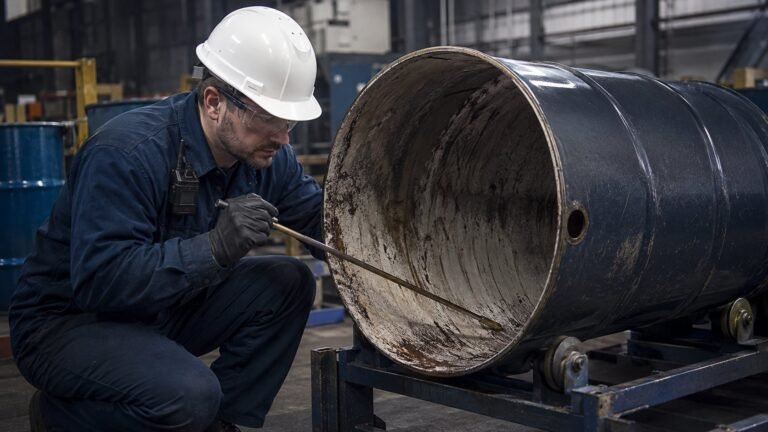
Apply the 40 CFR 261.7 residue standards to drums, inner liners, compressed-gas containers, and acute hazardous waste packaging.

Build a rapid decision process for substance identity, reportable quantities, release pathways, agencies, and written follow-up.
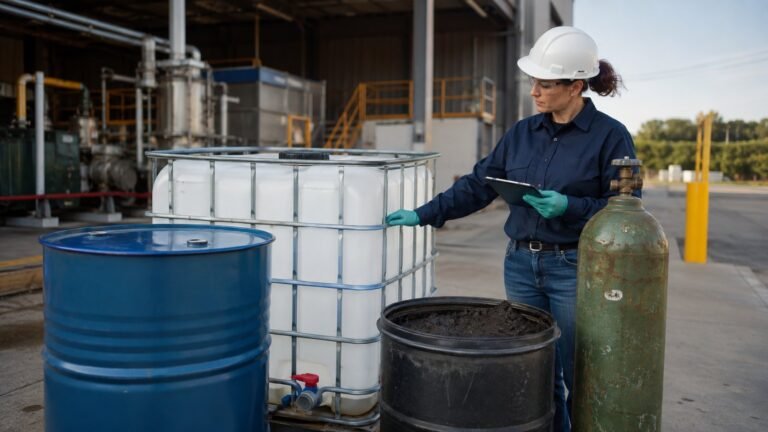
Start every waste determination with discard, recycling, and exclusion questions instead of assuming that only dry material can be a solid waste.

Translate an exclusion citation into operating conditions, evidence, owners, and change controls that survive an inspection.

Evaluate ignitability, corrosivity, reactivity, and toxicity with the right evidence and document the resulting waste codes.

Use source, process, chemical identity, and use status to determine whether a federal listing applies—and what happens after mixing or treatment.

Choose an evidence strategy that answers the regulatory question and remains defensible as the process changes.