Biennial Hazardous Waste Reports: A Data-Reconciliation Workflow for LQGs
Prepare EPA Form 8700-13A/B by reconciling generator status, waste quantities, destinations, treatment methods, and minimization information.

Prepare EPA Form 8700-13A/B by reconciling generator status, waste quantities, destinations, treatment methods, and minimization information.
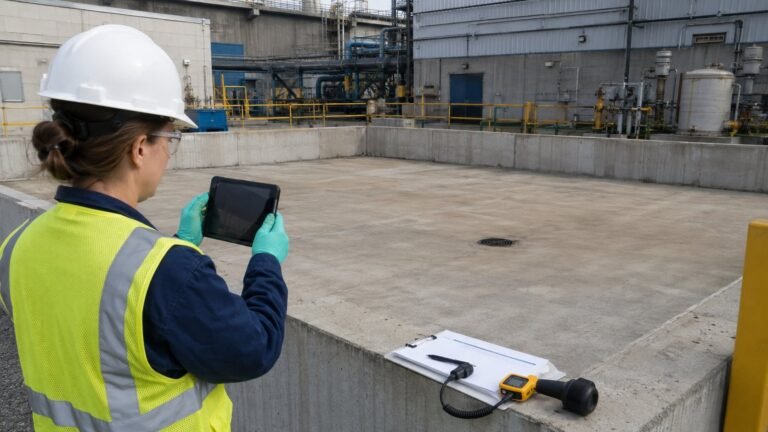
Plan closure notifications, operating-record notices, decontamination, waste removal, performance standards, and evidence before an accumulation area is retired.
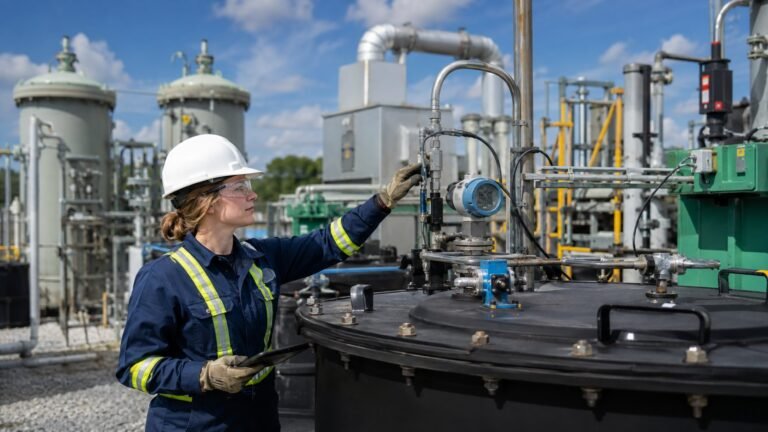
Screen hazardous waste process vents, equipment, tanks, containers, and surface impoundments for independent Subpart AA, BB, and CC duties.
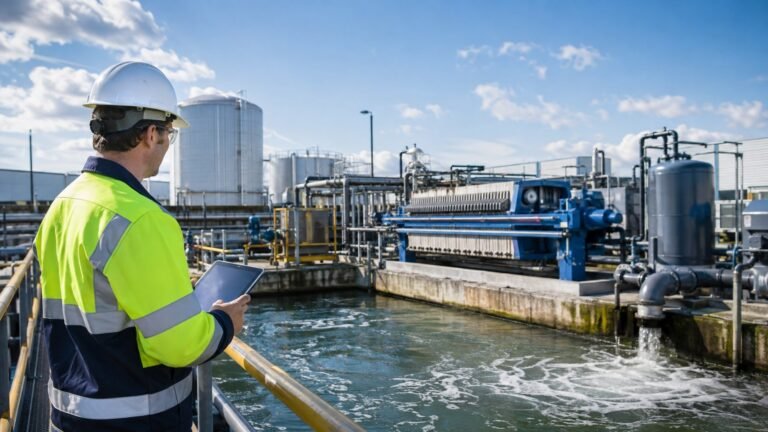
Test every element of the RCRA wastewater treatment unit definition and document the connection to Clean Water Act regulation.
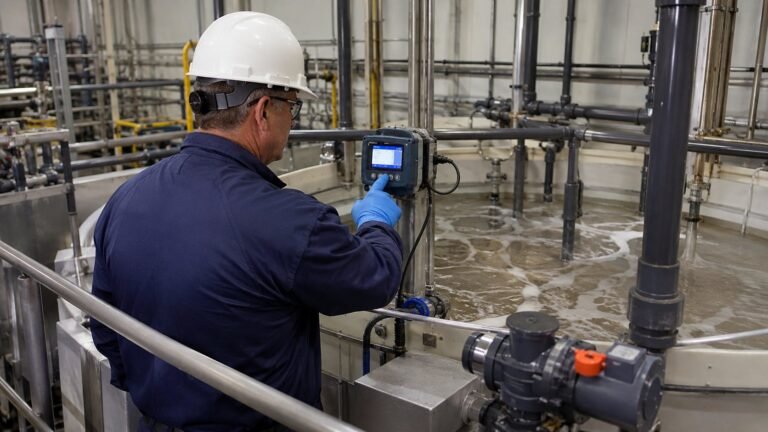
Determine whether a unit neutralizes waste that is hazardous only for corrosivity and meets the exact federal definition.
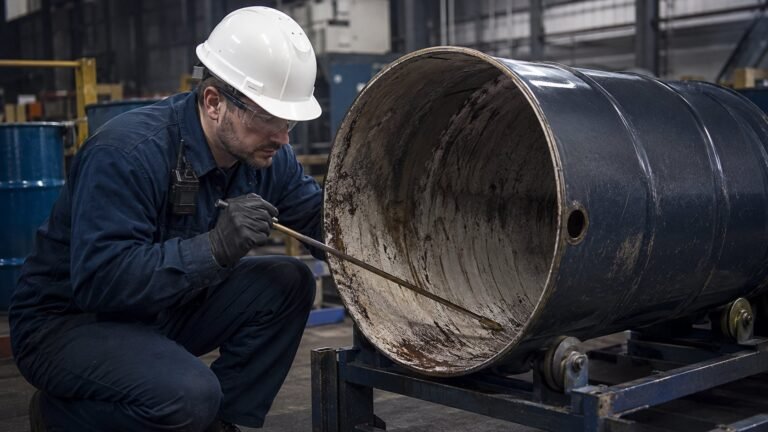
Apply the 40 CFR 261.7 residue standards to drums, inner liners, compressed-gas containers, and acute hazardous waste packaging.
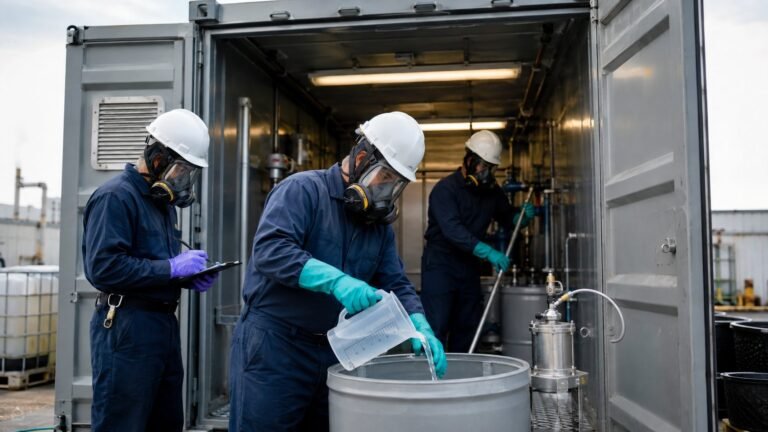
Distinguish allowed treatment in compliant accumulation units from activities that require a permit or another regulatory pathway.
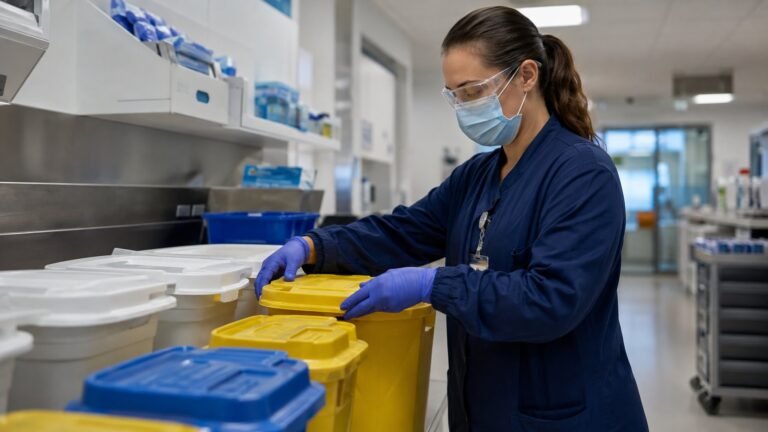
Help healthcare facilities distinguish creditable and non-creditable hazardous waste pharmaceuticals, control sewering, and document state adoption.
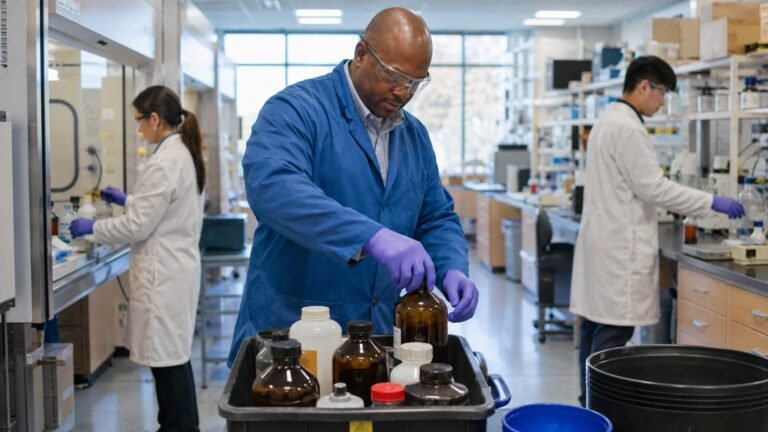
Explain the optional laboratory framework for eligible academic entities, including unwanted-material labels, removals, cleanouts, and laboratory management plans.
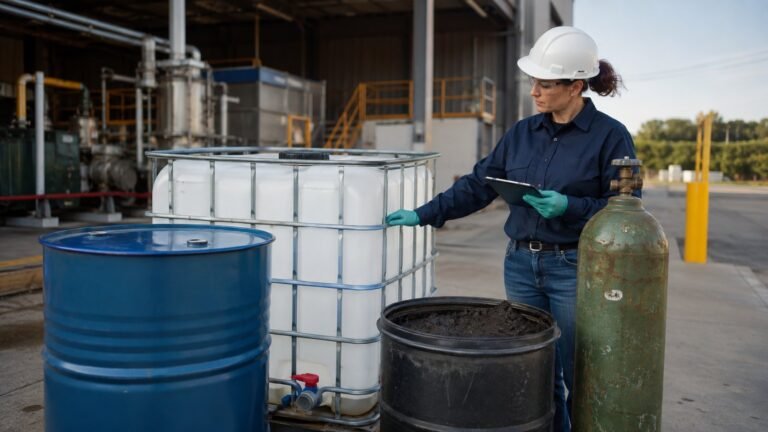
Start every waste determination with discard, recycling, and exclusion questions instead of assuming that only dry material can be a solid waste.