DOT Hazardous Materials Security Plans: Applicability and Implementation
Screen the materials and quantities in 49 CFR 172.800, assess risk, and implement personnel, unauthorized-access, and en-route security controls.
Your blog category

Screen the materials and quantities in 49 CFR 172.800, assess risk, and implement personnel, unauthorized-access, and en-route security controls.
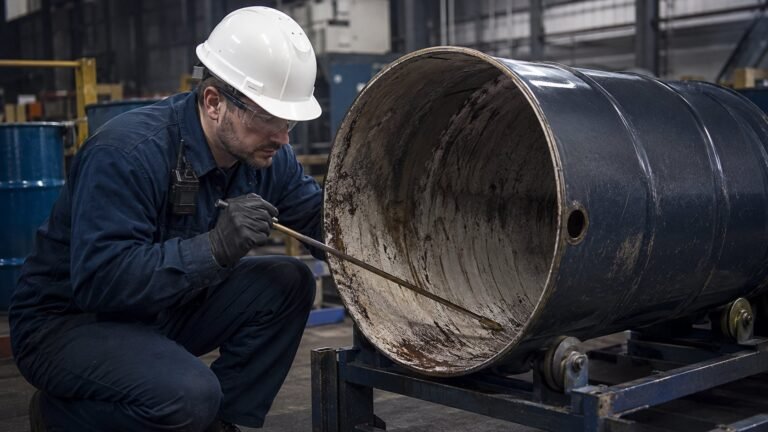
Apply the 40 CFR 261.7 residue standards to drums, inner liners, compressed-gas containers, and acute hazardous waste packaging.

Build a rapid decision process for substance identity, reportable quantities, release pathways, agencies, and written follow-up.
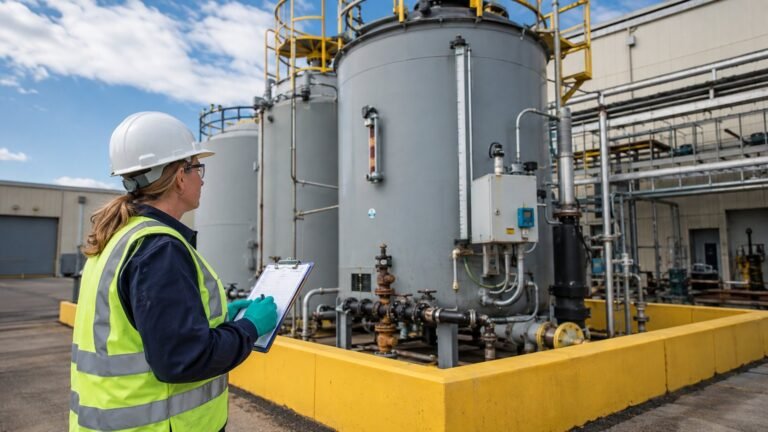
Manage generator accumulation tanks using the correct category, integrity, secondary-containment, operating, inspection, and closure standards.
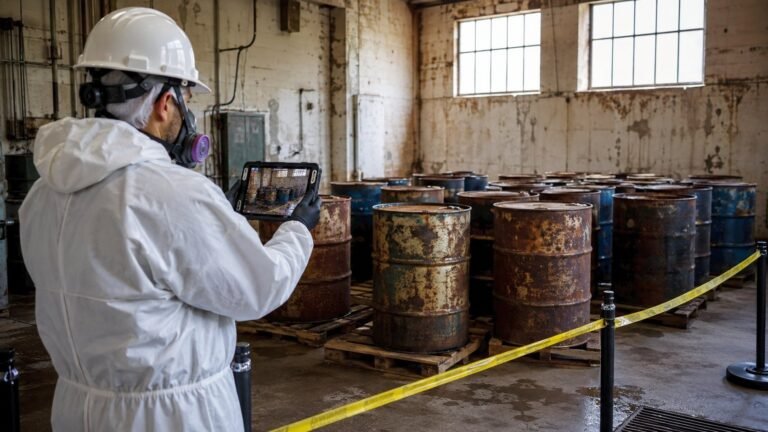
Control unidentified drums and legacy chemicals without unsafe opening, mixing, sampling, or premature waste-code assumptions.
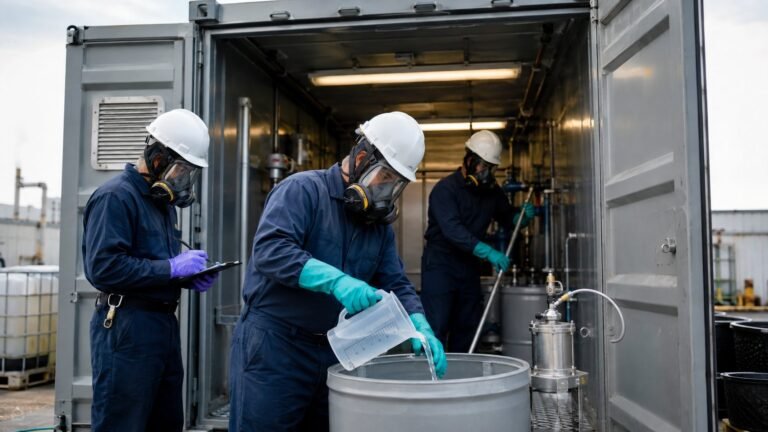
Distinguish allowed treatment in compliant accumulation units from activities that require a permit or another regulatory pathway.
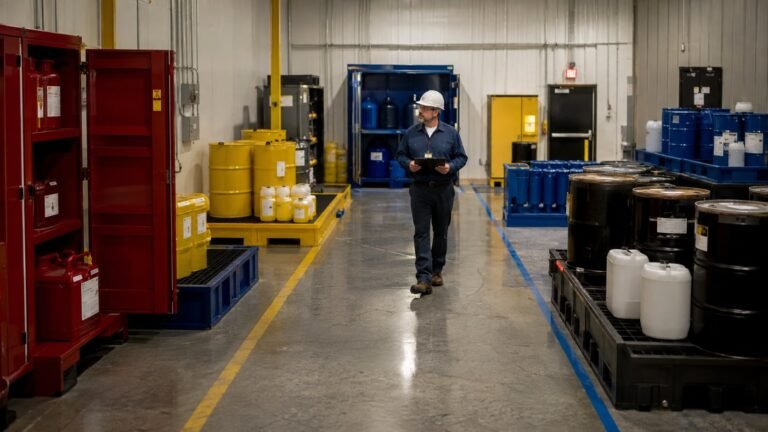
Prevent fires, toxic gases, pressure events, polymerization, and container failure by controlling incompatible materials throughout the waste workflow.
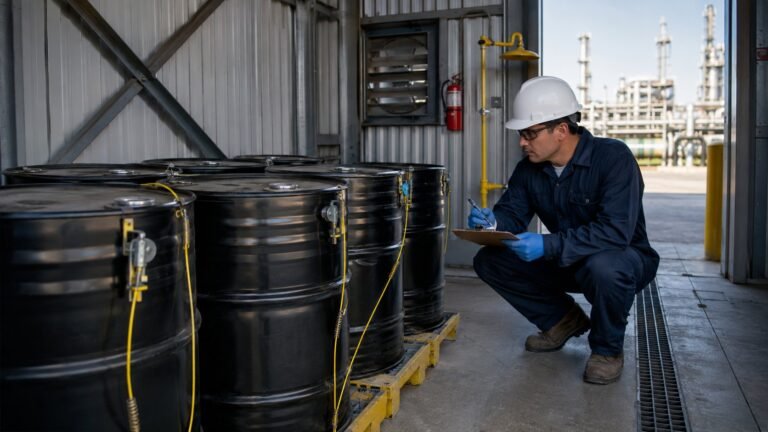
Connect D001 and D003 determinations to ignition control, location, equipment, grounding, compatibility, and emergency response.

Help healthcare facilities distinguish creditable and non-creditable hazardous waste pharmaceuticals, control sewering, and document state adoption.

Explain the optional laboratory framework for eligible academic entities, including unwanted-material labels, removals, cleanouts, and laboratory management plans.