
What Is a Solid Waste Under RCRA? A Practical Starting Point
Start every waste determination with discard, recycling, and exclusion questions instead of assuming that only dry material can be a solid waste.
Your blog category
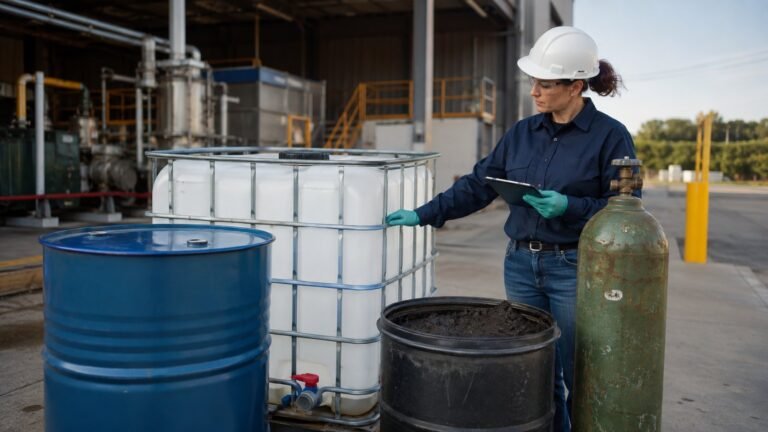
Start every waste determination with discard, recycling, and exclusion questions instead of assuming that only dry material can be a solid waste.
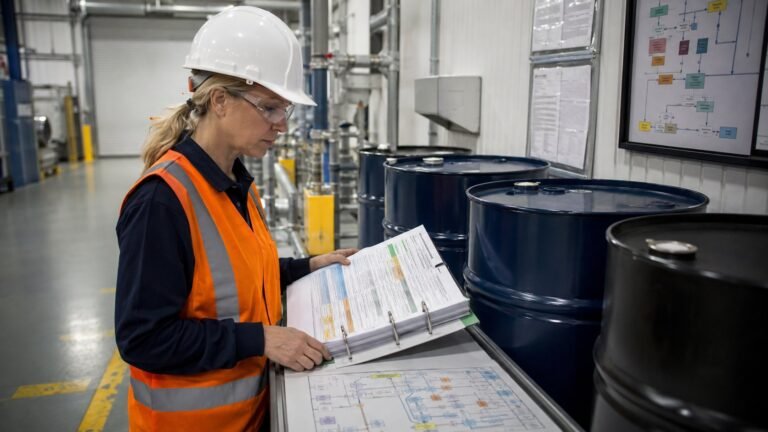
Translate an exclusion citation into operating conditions, evidence, owners, and change controls that survive an inspection.

Evaluate ignitability, corrosivity, reactivity, and toxicity with the right evidence and document the resulting waste codes.
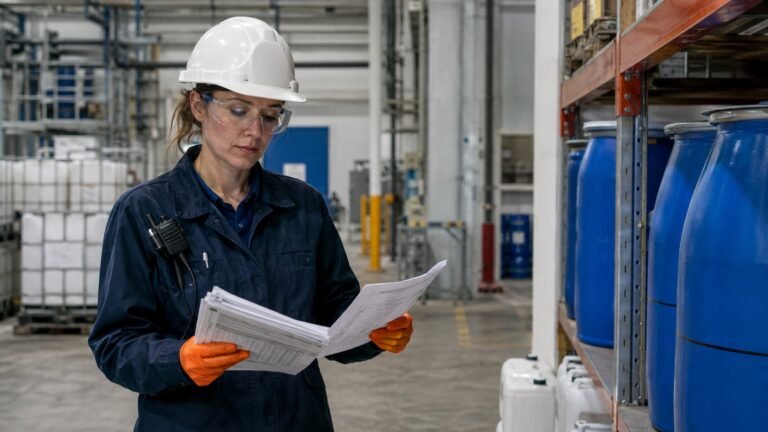
Use source, process, chemical identity, and use status to determine whether a federal listing applies—and what happens after mixing or treatment.
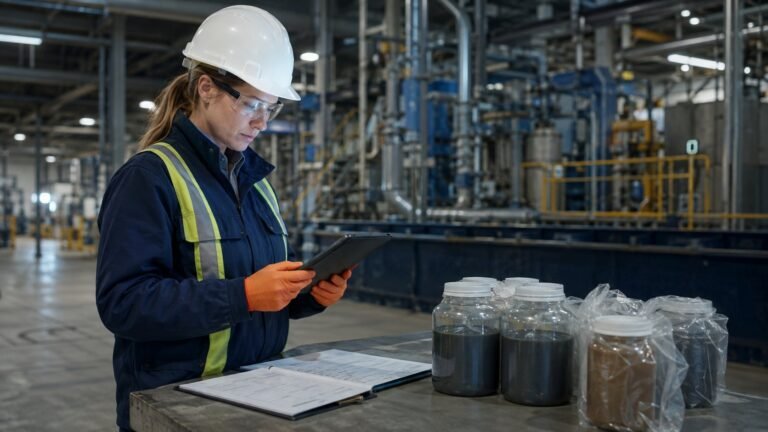
Choose an evidence strategy that answers the regulatory question and remains defensible as the process changes.
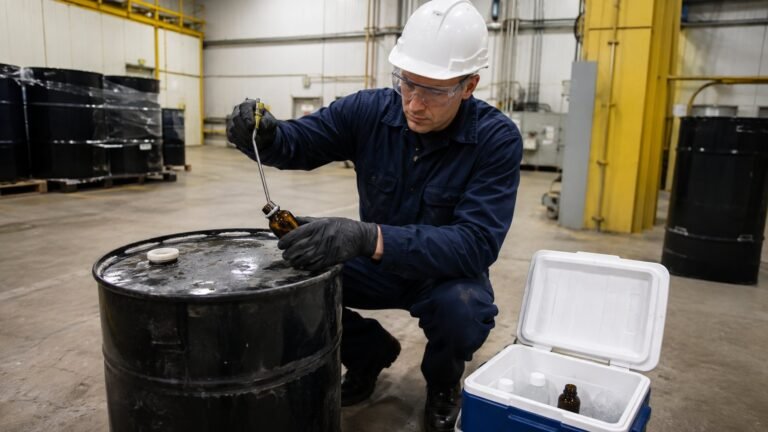
Design sampling around waste variability, decision limits, worker safety, and evidence integrity.
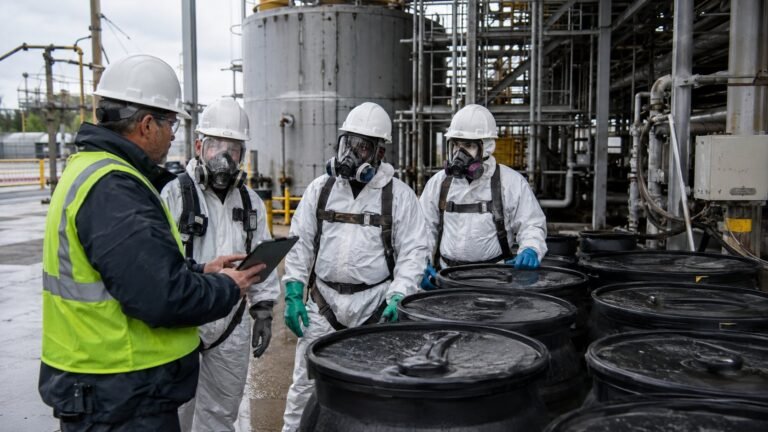
Use the federal episodic-generation framework without accidentally changing the facility’s normal generator category.
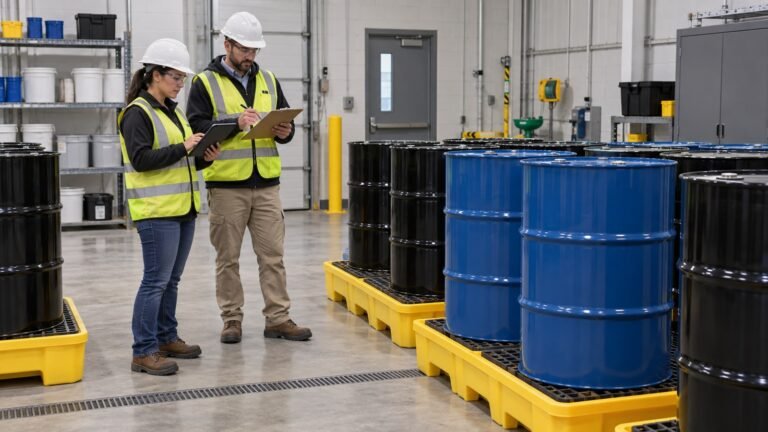
Plan same-control consolidation with correct notifications, labeling, records, generator counting, and state authorization.
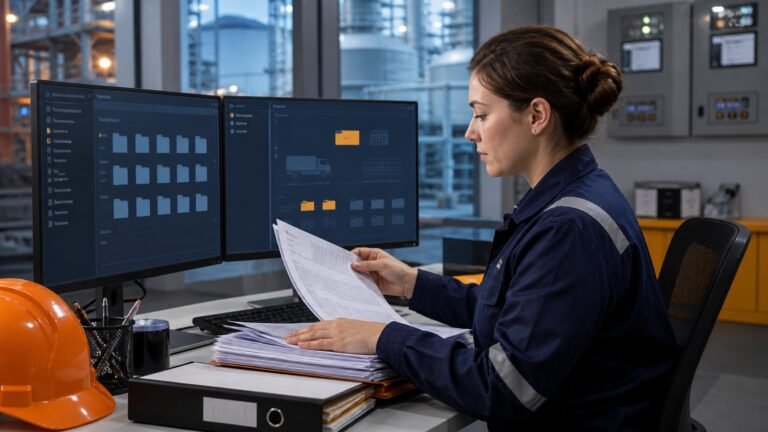
Organize determinations, inspections, training, manifests, LDR documents, and exception follow-up into a retrievable compliance record.

Keep facility acceptance data aligned with the generator’s determination, current process, shipping papers, and change controls.