RCRA Organic Air Emission Standards for LQGs: Subparts AA, BB, and CC
RCRA Organic Air Emission Standards for LQGs: Subparts AA, BB, and CC
Screen hazardous waste process vents, equipment, tanks, containers, and surface impoundments for independent Subpart AA, BB, and CC duties.
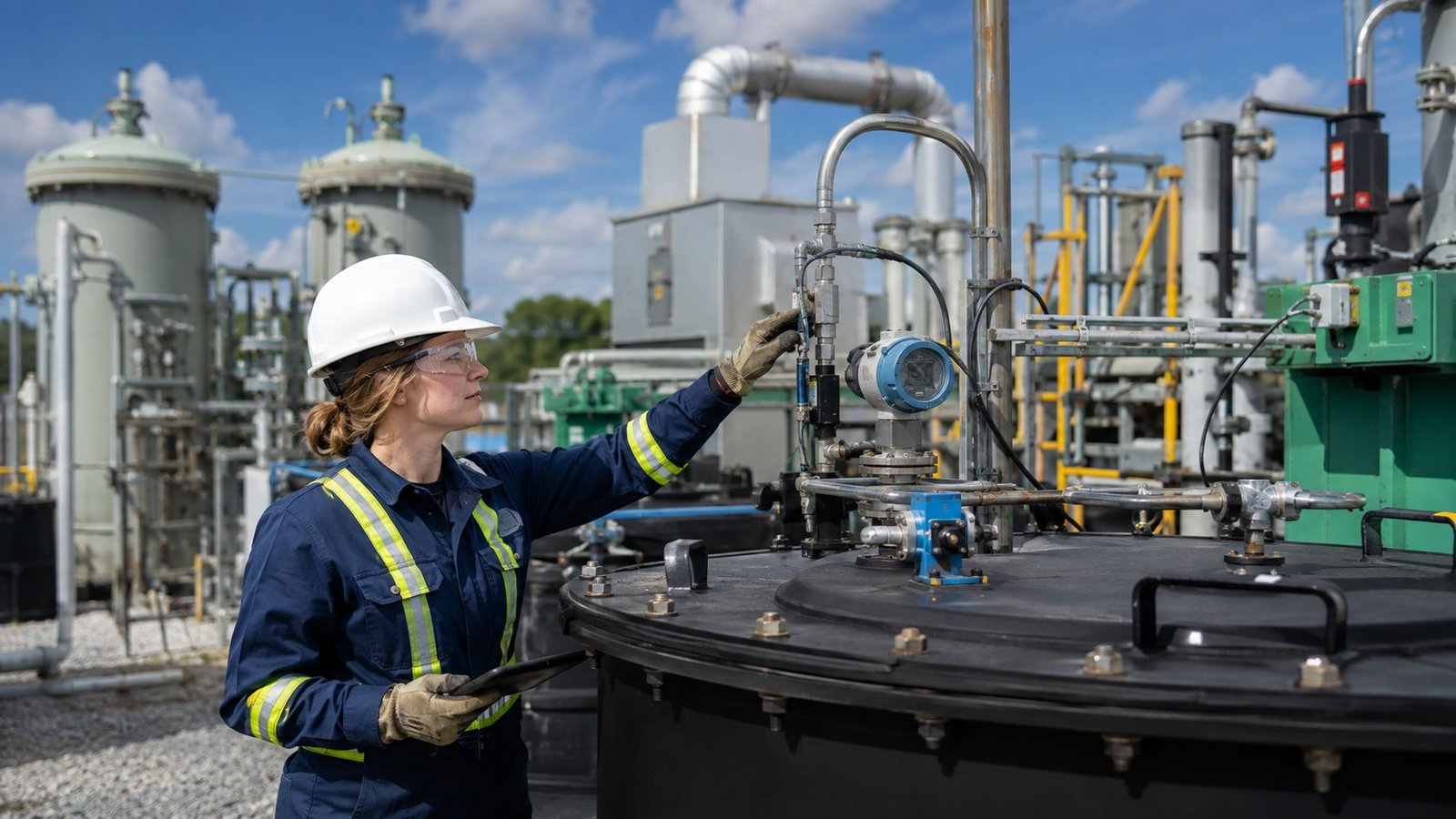
Certain LQGs and TSDFs must evaluate the RCRA organic air emission standards in 40 CFR Parts 264 and 265 Subparts AA, BB, and CC. Each subpart has independent applicability criteria. Build a unit and equipment inventory, determine organic concentration and activity, identify exemptions, and control inspection, monitoring, repair, recordkeeping, and certification duties.
Screen each subpart independently
Subpart AA addresses specified process vents, Subpart BB addresses equipment contacting sufficiently concentrated organic hazardous waste, and Subpart CC addresses certain tanks, containers, surface impoundments, and miscellaneous units. One applicable subpart does not automatically make all three applicable.
Build a defensible inventory
Map waste streams, organic concentrations at the applicable point, process vents, pumps, valves, compressors, sampling connections, tanks, containers, controls, and exempt units. Preserve analytical or knowledge bases.
Translate standards into field controls
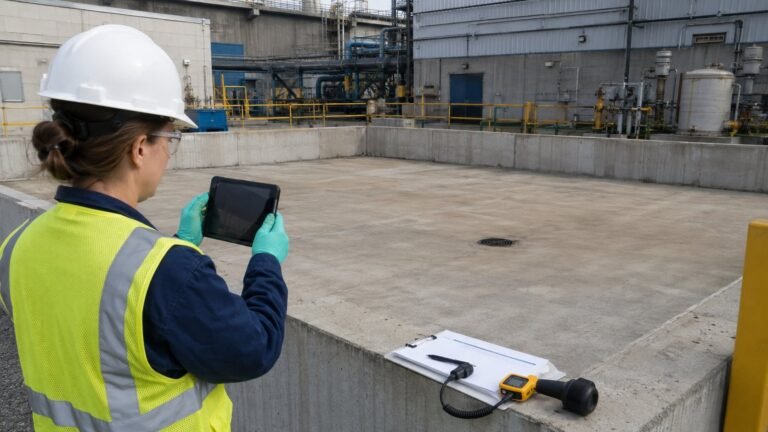
Define cover level, closure devices, inspection frequency, leak-detection method, repair timing, control-device monitoring, certifications, and records for each affected item.
Worked example: solvent container area
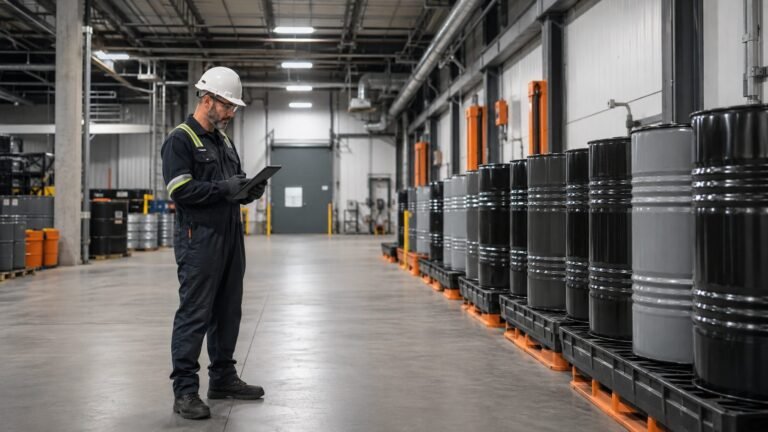
An LQG screens solvent wastes and container sizes, confirms which Subpart CC level applies, inspects covers and closure devices, documents organic concentration knowledge, and corrects a practice that left a closure device unsecured.
Coordinate RCRA and Clean Air Act programs
Do not assume a Clean Air Act permit resolves RCRA duties. Document any regulatory election or compliance exemption and keep program owners aligned.
Put the requirement into daily work
Assign an accountable owner and translate the RCRA air emission standards LQG decision into a field standard. Identify who performs each step, who reviews exceptions, what training and equipment are required, and where evidence is retained. Test the workflow with a real facility example before broad use.
Connect environmental, operations, maintenance, laboratory, purchasing, shipping, emergency-response, and contractor roles where their decisions affect the outcome. Use clear acceptance criteria so the same facts produce the same decision.
Records and reevaluation triggers
Keep the current regulatory basis, facility analysis, approvals, operating records, and exception history under a stable identifier. A reviewer should be able to reconstruct what was known, who decided, how the control was implemented, and how ongoing performance was verified.
Reevaluate after changes in material, process, equipment, quantity, storage, handling, vendor, destination, permit, law, incident, inspection finding, analytical result, or recurring failure. Document both the trigger and the resulting decision.
Common mistakes
- Evaluating only Subpart CC.
- Assuming all small containers are exempt.
- Using product VOC data without waste-point support.
- Omitting equipment on tank covers.
- Treating a Clean Air Act permit as automatic RCRA compliance.
Field checklist
- Inventory units, equipment, and process vents.
- Determine organic concentration and activities.
- Screen AA, BB, and CC independently.
- Document exemptions and regulatory elections.
- Assign inspection, monitoring, and repair tasks.
- Retain certifications and supporting data.
Frequently asked questions
Do these standards apply only to permitted TSDFs?
Does Subpart BB apply whenever Subpart CC applies?
Can knowledge be used for organic concentration?
Check your state rules
Authorized states may be more stringent, broader in scope, or use different adoption and reporting rules. Verify current requirements and agency interpretations in every applicable jurisdiction.
Primary sources
- EPA – RCRA Organic Air Emission Standards
- EPA – Applicability of Subparts AA, BB, and CC
- 40 CFR 265 Subparts AA-BB-CC
Federal sources reviewed September 7, 2026. Verify the current text and the rules adopted in your jurisdiction before acting.
This article explains a general federal baseline. It is not a facility-specific determination or legal advice. Verify current federal, state, permit, and local requirements for your facts.