Episodic Generation Under RCRA: Planned and Unplanned Events
Episodic Generation Under RCRA: Planned and Unplanned Events
Use the federal episodic-generation framework without accidentally changing the facility’s normal generator category.
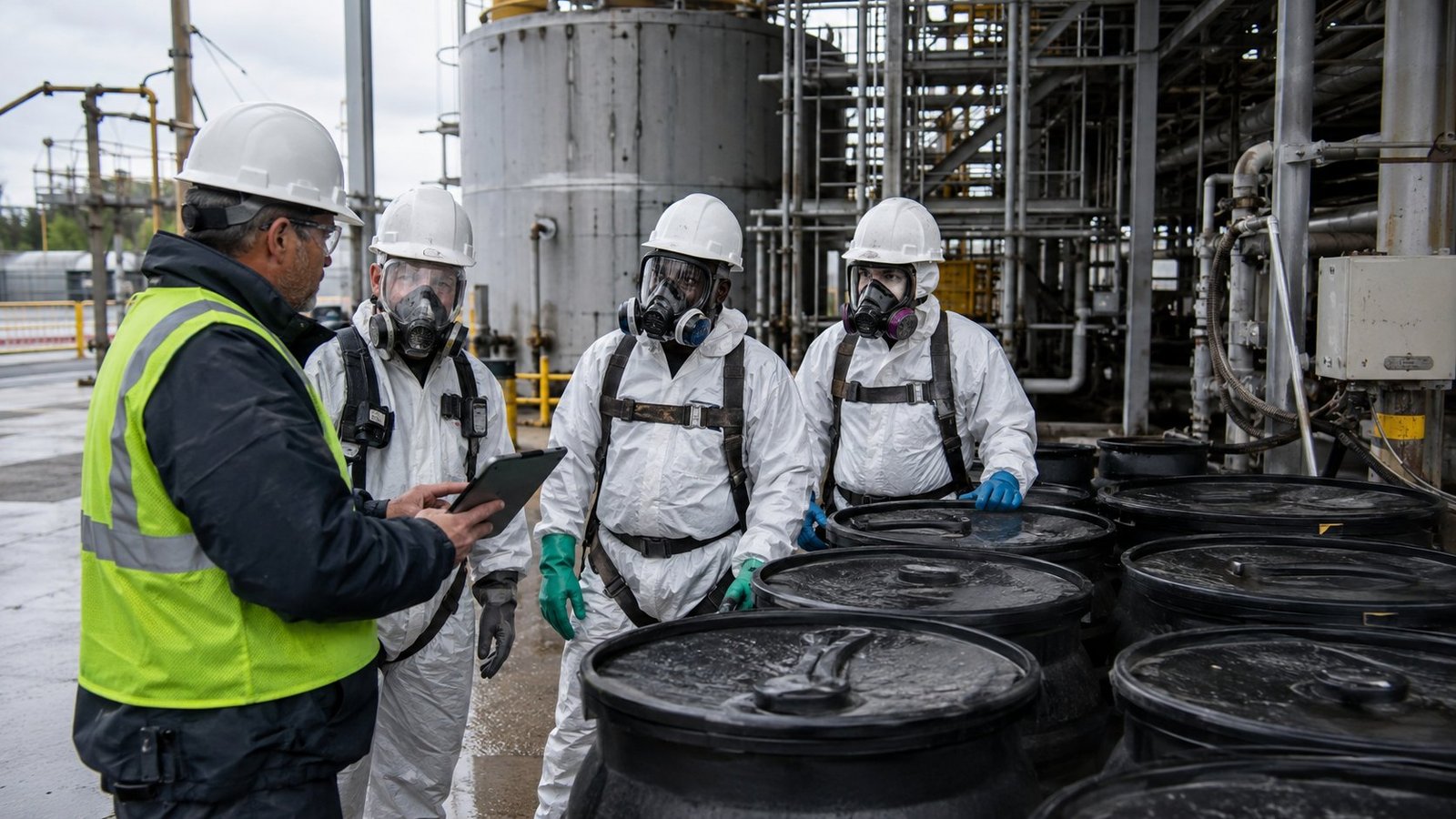
Federal Subpart L can allow an eligible VSQG or SQG to manage one planned or unplanned episodic event per calendar year without changing its normal category, if it meets notification, identification, accumulation, shipment, time-limit, and recordkeeping conditions. A second event may require an approved petition, and state adoption must be confirmed.
Confirm eligibility and state adoption
Determine the normal generator category, whether the event is outside normal operations, and whether the implementing state has adopted the provision. Routine or ongoing generation should not be repackaged as episodic.
Classify and notify the event
Planned events require advance notification; unplanned events have prompt notification duties. Use the current Site Identification Form and follow the implementing agency’s process.
Control the event from start to finish
Mark containers or tanks, record the event start date, manage the waste under applicable conditions, use a manifest and RCRA-designated facility, and complete the event within the federal time limit unless the implementing rule says otherwise.
Worked example: scheduled tank cleanout
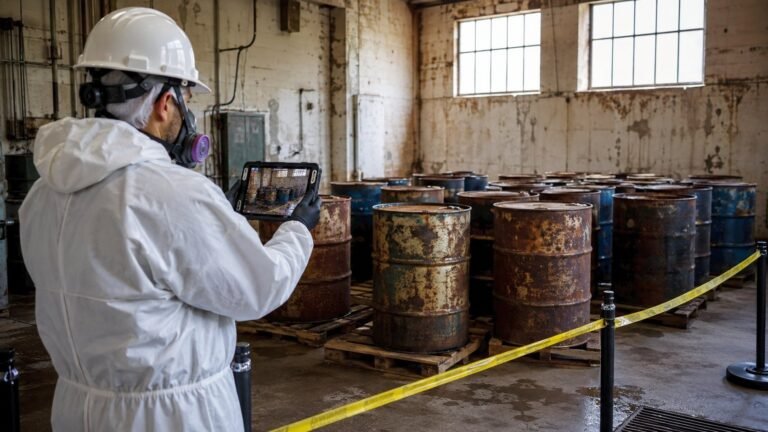
An SQG plans a once-a-year tank cleanout that will exceed its normal monthly quantity. It verifies state adoption, submits timely notice, sets the event boundary, trains the crew, labels event containers, schedules the designated facility, and closes the file after shipment.
Keep a standalone event record
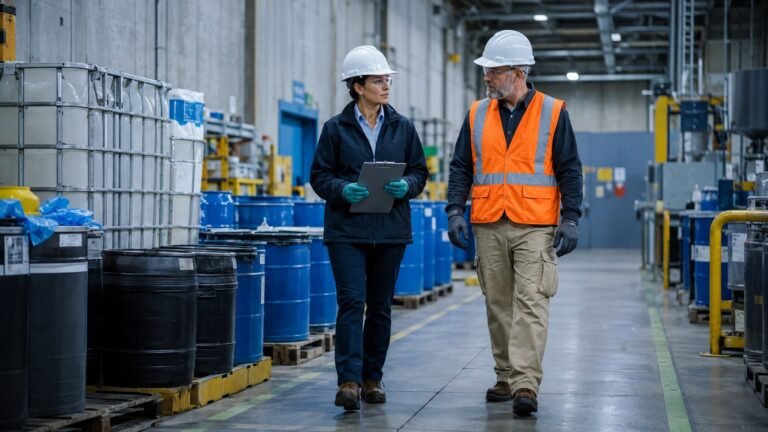
Retain notification, event description, quantities, dates, container logs, manifests, land disposal records, training, incidents, and the final reconciliation. Record why the event was distinct from normal production.
Put the requirement into daily work
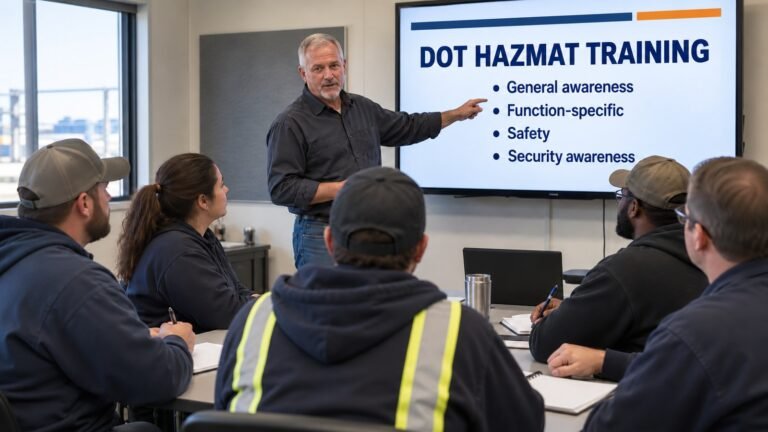
Assign an accountable program owner and translate the episodic generation RCRA decision into a written field standard. Identify who performs each step, who reviews exceptions, what tools and training they need, and where the resulting record is stored. Use clear acceptance criteria so operators, environmental staff, purchasing, shipping, and contractors reach the same conclusion.
Test the workflow with a real waste stream before broad rollout. Observe the work where it occurs, compare the record with field conditions, and correct gaps in equipment, layout, instructions, or responsibility. A technically correct procedure is not an effective control until people can follow it consistently.
Records and reevaluation triggers
Keep the source information, current regulatory basis, facility decision, approvals, and operating evidence together under a stable identifier. Records should allow a reviewer to reconstruct what was known, what decision was made, who made it, and how the facility confirmed ongoing performance.
Reevaluate the episodic generation RCRA conclusion after changes in raw materials, process chemistry, equipment, waste composition, generation rate, storage, packaging, transporter, receiving facility, treatment method, permit conditions, or law. Also trigger review after a spill, rejected shipment, analytical anomaly, inspection finding, or recurring procedural failure.
Common mistakes
- Assuming the federal option applies in every state.
- Treating predictable routine waste as an episodic event.
- Missing planned-event notice timing.
- Starting the event clock without shipment capacity.
- Failing to petition before a second event where required.
Field checklist
- Confirm normal category and eligibility.
- Verify state adoption.
- Classify the event as planned or unplanned.
- Submit required notification.
- Define start, end, containers, and owners.
- Arrange manifest shipment to a designated facility.
- Reconcile quantities and retain the event file.
Frequently asked questions
Can an LQG use Subpart L?
How many events are allowed?
Does episodic waste stay out of generator counting?
Check your state rules
Authorized states may be more stringent, add state-only wastes or requirements, or decline to adopt less stringent federal provisions. Verify current rules and agency interpretations in every applicable jurisdiction.
Primary sources
- 40 CFR Part 262 Subpart L — Episodic generation
- EPA — Generator Improvements Rule FAQs
- EPA Form 8700-12 and instructions
Federal sources reviewed September 6, 2026. Verify the current text and the rules adopted in your jurisdiction before acting.
This article explains a general federal baseline. It is not a facility-specific determination or legal advice. Verify current federal, state, permit, and local requirements for your facts.