Waste Minimization and Legitimate Recycling: A Facility Playbook
Waste Minimization and Legitimate Recycling: A Facility Playbook
Reduce waste at the source, document progress, and verify that recycling is real and compliant.
Prioritize source reduction, then evaluate reuse and recycling with measurable baselines and technical controls. For hazardous secondary materials, document useful contribution, a valuable product or intermediate, management as a valuable commodity, and consideration of product comparability under 40 CFR 260.43. Avoid speculative accumulation and sham recycling.
Establish a meaningful baseline
Measure waste by process, product, throughput, hazard, and cost. Normalize data so production changes do not look like prevention. Include raw material loss, water, energy, labor, treatment, liability, and residuals where useful.
Work upstream
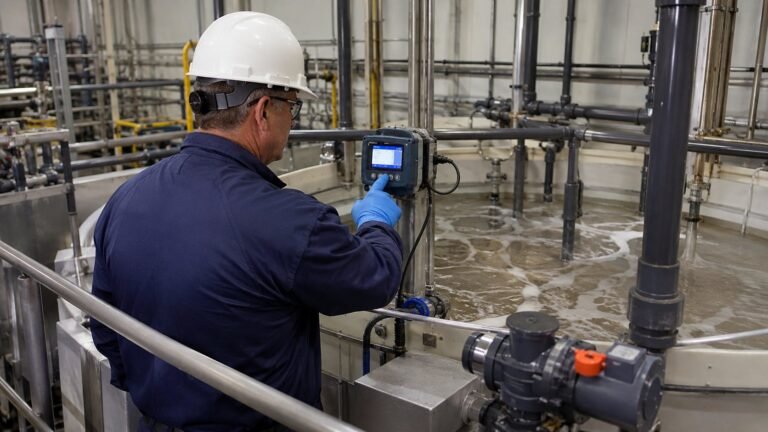
Evaluate substitution, inventory control, bath life, counter-current rinsing, segregation, spill prevention, maintenance, process control, returnable packaging, and production scheduling before focusing only on disposal.
Document recycling legitimacy
Show the material’s useful contribution, the value of the product or intermediate, management as a valuable commodity, and consideration of analogous-product constituents or characteristics. Record markets, specifications, storage, and movement.
Worked example: spent solvent
A facility compares disposal, off-site reclamation, and process changes. It improves segregation, reduces water contamination, documents recycler acceptance and reclaimed-product value, tracks inventory movement, and quantifies waste avoided per production unit.
Sustain the program
Assign owners, targets, capital-review criteria, tracking, verification, and annual management review. Preserve the basis for generator certification statements and update when markets or recycling practices change.
Put the requirement into daily work
Assign an accountable program owner and translate the hazardous waste minimization program decision into a written field standard. Identify who performs each step, who reviews exceptions, what tools and training they need, and where the resulting record is stored. Use clear acceptance criteria so operators, environmental staff, purchasing, shipping, and contractors reach the same conclusion.
Test the workflow with a real waste stream before broad rollout. Observe the work where it occurs, compare the record with field conditions, and correct gaps in equipment, layout, instructions, or responsibility. A technically correct procedure is not an effective control until people can follow it consistently.
Records and reevaluation triggers
Keep the source information, current regulatory basis, facility decision, approvals, and operating evidence together under a stable identifier. Records should allow a reviewer to reconstruct what was known, what decision was made, who made it, and how the facility confirmed ongoing performance.
Reevaluate the hazardous waste minimization program conclusion after changes in raw materials, process chemistry, equipment, waste composition, generation rate, storage, packaging, transporter, receiving facility, treatment method, permit conditions, or law. Also trigger review after a spill, rejected shipment, analytical anomaly, inspection finding, or recurring procedural failure.
Common mistakes
- Calling a disposal change waste minimization.
- Reporting total pounds without production context.
- Mixing clean recyclable material with incompatible wastes.
- Accumulating material without a feasible recycling outlet.
- Ignoring residuals or questionable product value.
Field checklist
- Map waste to process causes.
- Set normalized quantity and hazard baselines.
- Prioritize source-reduction opportunities.
- Evaluate technical, safety, and regulatory effects.
- Document all recycling legitimacy factors.
- Track accumulation and actual recycling.
- Verify results and refresh the opportunity list.
Frequently asked questions
What is the preferred strategy?
What makes hazardous secondary material recycling legitimate?
What is speculative accumulation?
Check your state rules
Authorized states may be more stringent, add state-only wastes or requirements, or decline to adopt less stringent federal provisions. Verify current rules and agency interpretations in every applicable jurisdiction.
Primary sources
- 40 CFR 262.27 — Waste minimization certification
- 40 CFR 260.43 — Legitimate recycling
- EPA — Legitimate Hazardous Waste Recycling
- EPA — Waste Minimization
Federal sources reviewed September 6, 2026. Verify the current text and the rules adopted in your jurisdiction before acting.
This article explains a general federal baseline. It is not a facility-specific determination or legal advice. Verify current federal, state, permit, and local requirements for your facts.