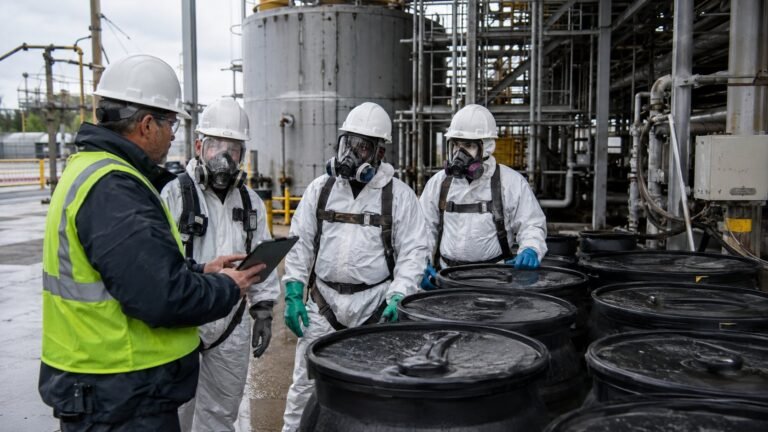
RCRA Empty Containers: When Residues Stop Being Regulated Hazardous Waste
RCRA Empty Containers: When Residues Stop Being Regulated Hazardous Waste
Apply the 40 CFR 261.7 residue standards to drums, inner liners, compressed-gas containers, and acute hazardous waste packaging.
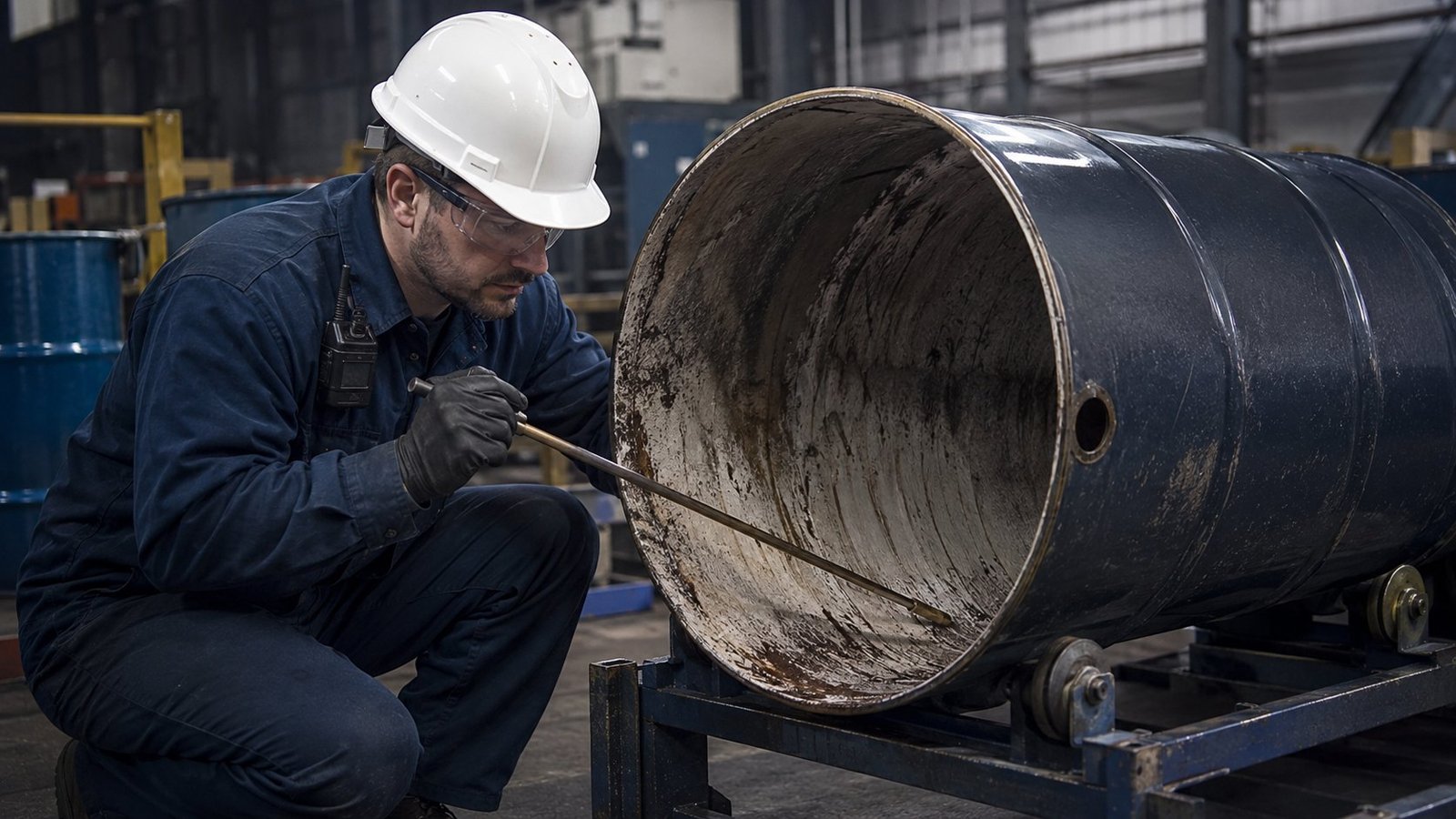
A container or inner liner that held hazardous waste is generally regulated until it meets the federal empty-container conditions. Different standards apply to common hazardous waste, acute hazardous waste, and compressed gases. Measure and document remaining residue, manage removed material correctly, and verify state requirements before releasing a container for reuse, recycling, or disposal.
Identify the container and former contents
Record the container type, capacity, previous material, waste codes, physical state, and whether the residue is acute hazardous waste. A rinsed appearance or the inability to pump more material does not by itself establish RCRA-empty status.
Apply the correct residue standard
For many containers, all wastes must be removed using commonly employed practices and no more than the allowed residue may remain. Containers that held acute hazardous waste have separate triple-rinse or equivalent-cleaning conditions. Compressed-gas containers use a pressure-based standard.
Control rinsate and removed residue
Residue or rinsate removed from a container must receive its own waste determination. Do not create a wastewater, used-oil, or recycling pathway without evaluating how the removed material is regulated.
Worked example: viscous resin drum
A facility drains a 55-gallon drum using its normal pump, allows the required practical removal, measures remaining residue, and records the former waste. Because the material is viscous, the team verifies the weight-based condition rather than assuming an inverted drum is empty.
Manage downstream handling
Define who may mark, stage, return, recondition, scrap, or dispose of containers and what evidence travels with them. Inspect outbound loads and qualify drum reconditioners.
Put the requirement into daily work
Assign an accountable owner and translate the RCRA empty container rule decision into a field standard. Identify who performs each step, who reviews exceptions, what training and equipment are required, and where evidence is retained. Test the workflow with a real facility example before broad use.
Connect environmental, operations, maintenance, laboratory, purchasing, shipping, emergency-response, and contractor roles where their decisions affect the outcome. Use clear acceptance criteria so the same facts produce the same decision.
Records and reevaluation triggers
Keep the current regulatory basis, facility analysis, approvals, operating records, and exception history under a stable identifier. A reviewer should be able to reconstruct what was known, who decided, how the control was implemented, and how ongoing performance was verified.
Reevaluate after changes in material, process, equipment, quantity, storage, handling, vendor, destination, permit, law, incident, inspection finding, analytical result, or recurring failure. Document both the trigger and the resulting decision.
Common mistakes
- Calling a container empty because it no longer pours.
- Using the non-acute rule for P-listed residue.
- Ignoring liners, aerosols, or compressed-gas containers.
- Sending rinsate to a drain without a determination.
- Failing to check state empty-container standards.
Field checklist
- Identify the container and previous contents.
- Determine whether acute waste was involved.
- Use commonly employed removal practices.
- Verify the applicable residue or cleaning condition.
- Determine and manage rinsate or removed residue.
- Document release and downstream destination.
Frequently asked questions
Does triple rinsing apply to every hazardous waste container?
Can a RCRA-empty drum be shipped as ordinary scrap?
Who should verify empty status?
Check your state rules
Authorized states may be more stringent, broader in scope, or use different adoption and reporting rules. Verify current requirements and agency interpretations in every applicable jurisdiction.
Primary sources
- 40 CFR 261.7 – Residues in empty containers
- EPA – Used Drum Management and Reconditioning
- EPA Generator Compendium – Empty Containers
Federal sources reviewed September 7, 2026. Verify the current text and the rules adopted in your jurisdiction before acting.
This article explains a general federal baseline. It is not a facility-specific determination or legal advice. Verify current federal, state, permit, and local requirements for your facts.