Incompatible Hazardous Wastes: Segregation, Storage, and Transfer Controls
Incompatible Hazardous Wastes: Segregation, Storage, and Transfer Controls
Prevent fires, toxic gases, pressure events, polymerization, and container failure by controlling incompatible materials throughout the waste workflow.
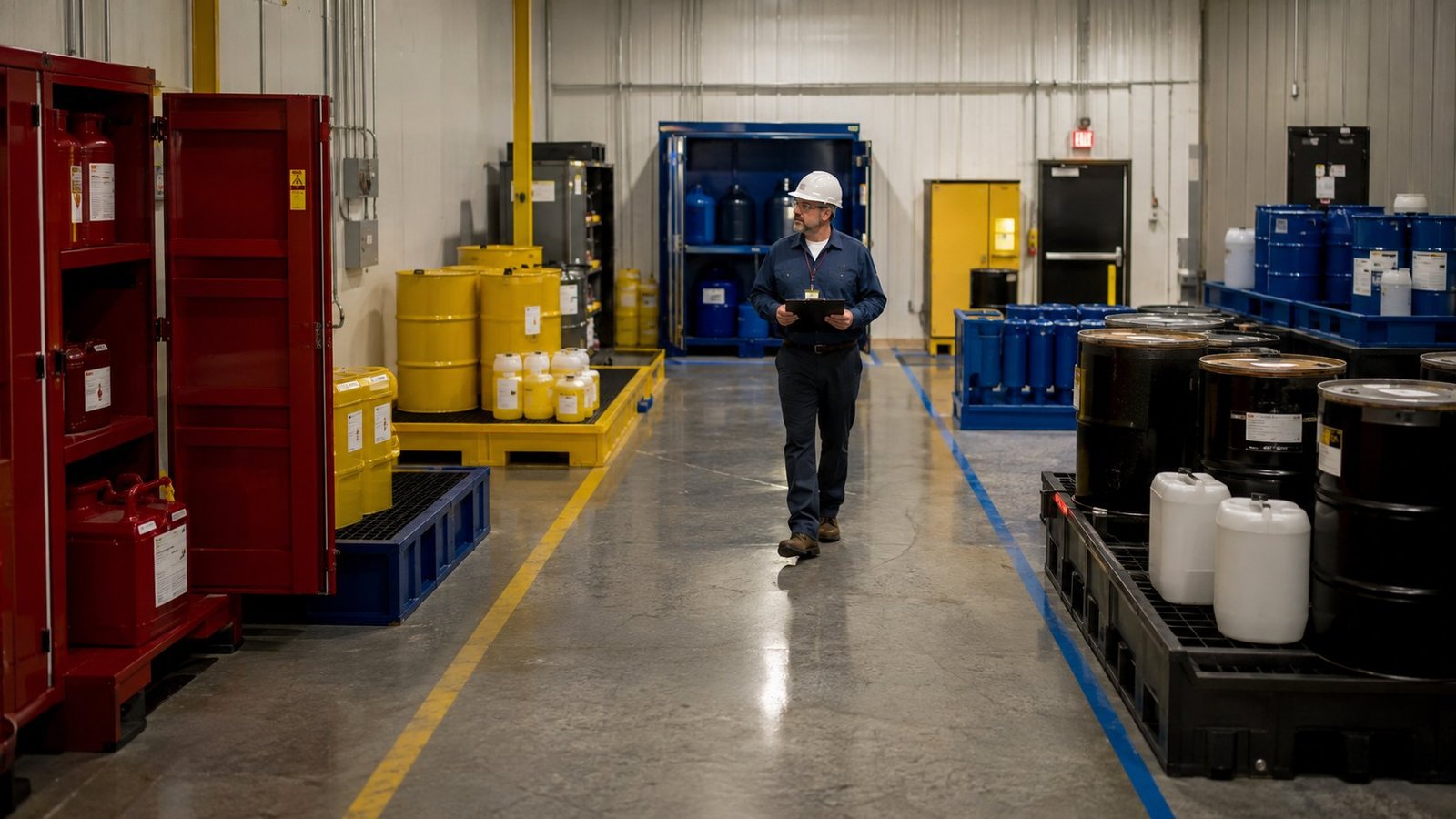
Identify credible incompatibilities from chemistry and process knowledge, then separate incompatible wastes and protect them from mixing through containers, containment, spacing, transfer controls, labeling, procedures, and emergency planning. Compatibility must cover the waste, container, liner, piping, absorbents, treatment reagents, and residues.
Build a waste compatibility profile
Document acids, bases, oxidizers, reducers, water reactives, cyanides, sulfides, peroxides, polymerizable materials, metals, solvents, and other reactive groups. Include contaminants and concentration ranges created by use.
Design physical separation
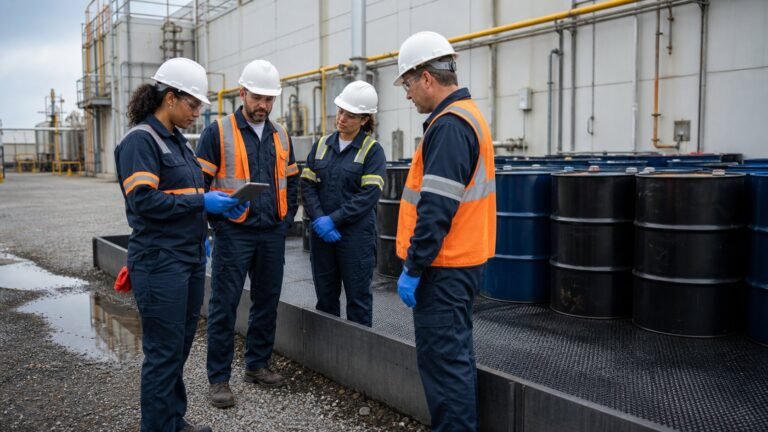
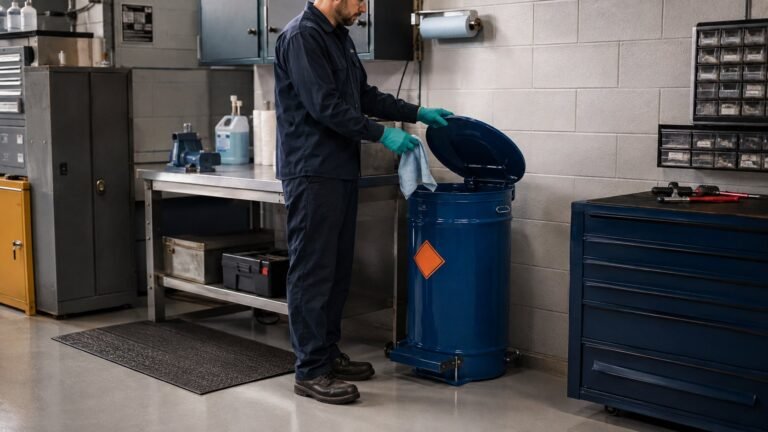
Use separate containment, distance, curbs, cabinets, dedicated equipment, or other controls based on the credible event. Secondary containment can worsen an incident if incompatible leaks are allowed to mix.
Control transfers and consolidation
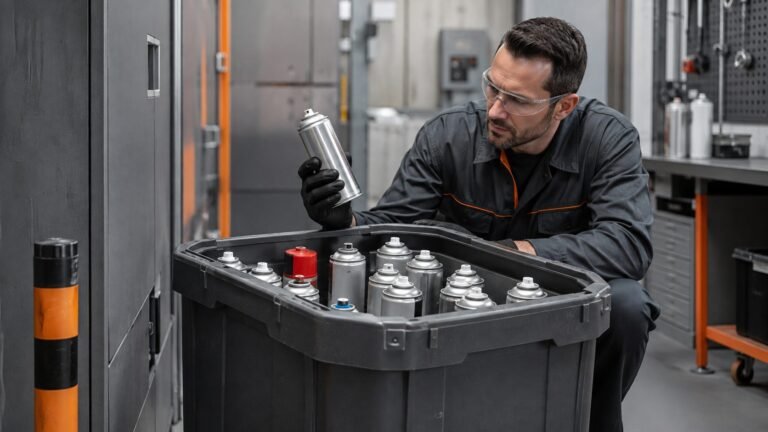
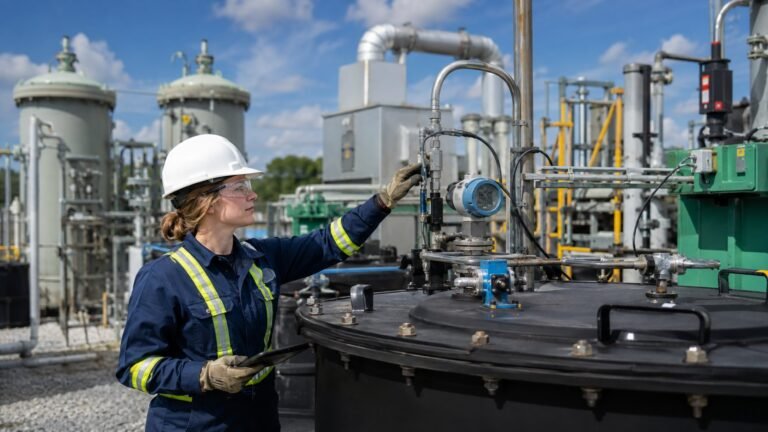
Approve transfer equipment, hose connections, grounding, line clearing, container compatibility, and receiving verification. Prohibit convenience mixing unless a documented treatment or consolidation review authorizes it.
Worked example: acid and cyanide-bearing wastes
A metal-finishing facility maps an acid waste and cyanide-bearing waste that could generate toxic gas if mixed. It separates collection routes and containment, color-codes connectors, requires a two-person transfer check, and drills the emergency response.
Use change management
New products, cleaners, absorbents, vendors, lab chemicals, or maintenance activities can create new incompatibilities. Reevaluate after any unexplained heat, gas, pressure, color change, odor, or damaged container.
Put the requirement into daily work
Assign an accountable owner and translate the incompatible hazardous waste storage decision into a field standard. Identify who performs each step, who reviews exceptions, what training and equipment are required, and where evidence is retained. Test the workflow with a real facility example before broad use.
Connect environmental, operations, maintenance, laboratory, purchasing, shipping, emergency-response, and contractor roles where their decisions affect the outcome. Use clear acceptance criteria so the same facts produce the same decision.
Records and reevaluation triggers
Keep the current regulatory basis, facility analysis, approvals, operating records, and exception history under a stable identifier. A reviewer should be able to reconstruct what was known, who decided, how the control was implemented, and how ongoing performance was verified.
Reevaluate after changes in material, process, equipment, quantity, storage, handling, vendor, destination, permit, law, incident, inspection finding, analytical result, or recurring failure. Document both the trigger and the resulting decision.
Common mistakes
- Using an SDS compatibility chart without waste-specific review.
- Placing incompatible containers in shared containment.
- Using common funnels or pumps across streams.
- Ignoring absorbents and neutralizing agents.
- Combining unknown wastes to save space.
Field checklist
- Inventory reactive groups and contaminants.
- Evaluate container and equipment compatibility.
- Separate credible incompatible pairs.
- Control connectors, transfers, and consolidation.
- Train operators on warning signs and response.
- Review all process and chemical changes.
Frequently asked questions
Does distance alone make storage safe?
Can unknown wastes be combined after a field test?
Do federal rules prohibit incompatible wastes in the same container?
Check your state rules
Authorized states may be more stringent, broader in scope, or use different adoption and reporting rules. Verify current requirements and agency interpretations in every applicable jurisdiction.
Primary sources
- 40 CFR 265.177 – Special requirements for incompatible wastes
- 40 CFR 265.17 – Ignitable, reactive, or incompatible waste
- EPA – RCRA Training Module: Containers
Federal sources reviewed September 7, 2026. Verify the current text and the rules adopted in your jurisdiction before acting.
This article explains a general federal baseline. It is not a facility-specific determination or legal advice. Verify current federal, state, permit, and local requirements for your facts.