Universal Waste: Federal Rules for Batteries, Lamps, Pesticides, Mercury Equipment, and Aerosol Cans
Universal Waste: Federal Rules for Batteries, Lamps, Pesticides, Mercury Equipment, and Aerosol Cans
How to confirm eligibility, determine handler category, label and date waste, prevent releases, train employees, and ship to an allowed destination.
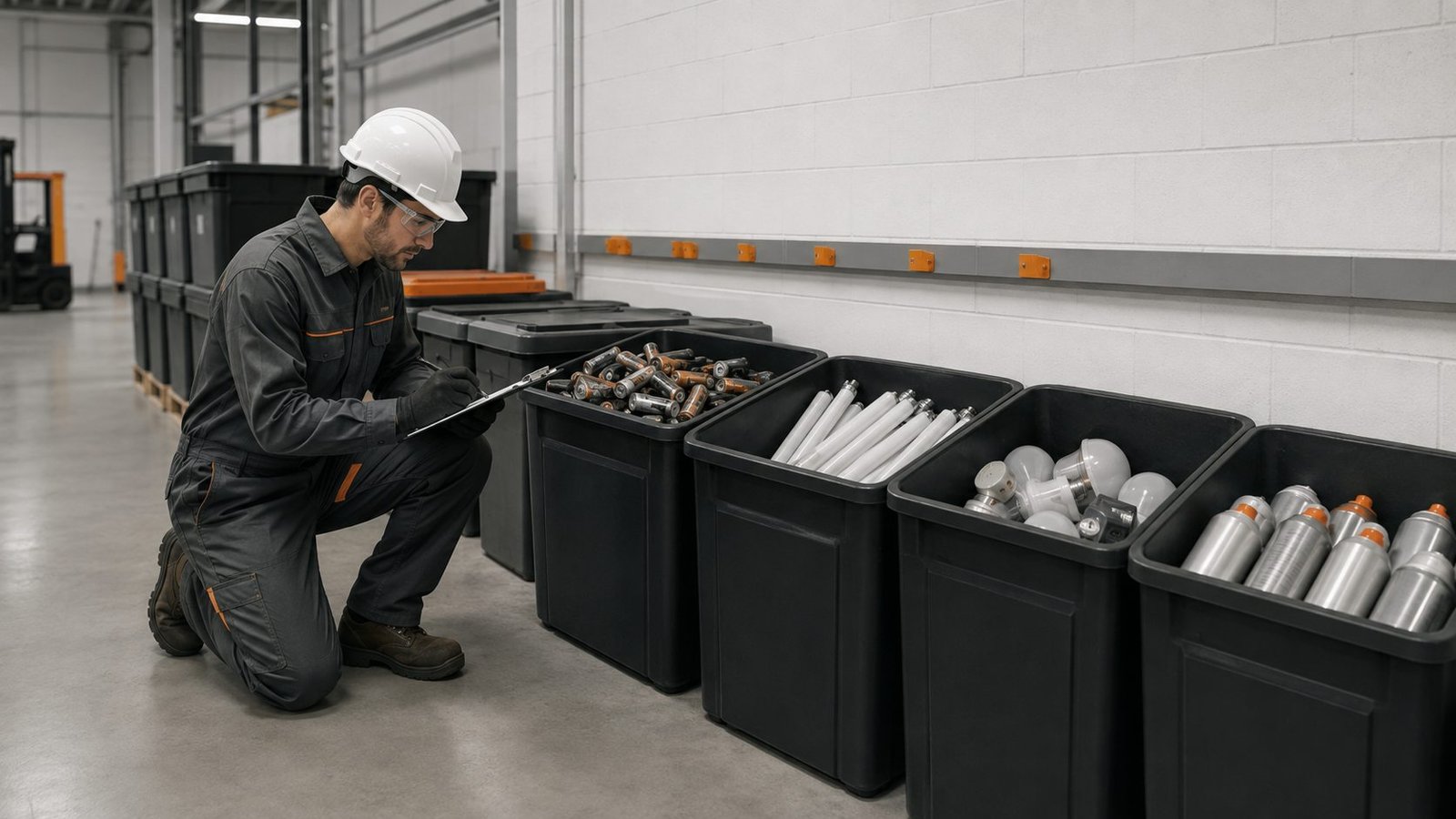
Federal universal waste includes certain batteries, pesticides, mercury-containing equipment, lamps, and aerosol cans. Confirm that the material and state qualify, determine whether the site is a small- or large-quantity handler, prevent releases, use allowed labels, demonstrate accumulation time, inform or train employees, and send the waste only to an allowed handler, destination facility, or foreign destination under the applicable rules.
Confirm that the waste qualifies
Universal waste is an alternative hazardous waste management framework designed for widely generated wastes. It is not a general label for anything commonly discarded. Under the federal baseline, the categories are batteries, certain recalled or collected pesticides, mercury-containing equipment, lamps, and aerosol cans.
Pharmaceuticals and electronics are not blanket federal universal-waste categories. A state may add them or other wastes, decline to adopt a federal category, or impose different conditions. Confirm the rule where the waste is generated before selecting the pathway.
Determine handler category
A small quantity handler accumulates less than 5,000 kilograms of all universal waste at one time. A large quantity handler accumulates 5,000 kilograms or more. Once the large-handler threshold is reached during a calendar year, that status continues through the end of the year.
Large quantity handlers have notification, EPA identification, and tracking responsibilities beyond the small-handler framework. Do not confuse universal-waste handler category with hazardous-waste generator category; they answer different questions.
Label, date, and prevent releases
Use an allowed universal-waste label or marking for each waste type, such as “Universal Waste—Batteries” or another wording allowed in Part 273. Manage containers and the waste to prevent releases, and immediately contain and handle released material. Determine whether release residues are hazardous waste.
Universal waste generally may be accumulated for no longer than one year unless the handler can demonstrate that additional time is necessary to facilitate proper recovery, treatment, or disposal. Demonstrate time with container dates, item dates, designated-area dates, an inventory system, or another method allowed by the rule.
Apply waste-specific controls
- Batteries: prevent short circuits and releases; segregate damaged units and incompatible chemistries; evaluate allowed sorting, discharging, or cell-removal activities.
- Lamps: prevent breakage and contain broken lamps. Lamp crushing is treatment and requires a separate authorization and state analysis.
- Mercury-containing equipment: prevent releases and manage removed ampules under the applicable conditions.
- Pesticides: confirm that the product fits the specific recall, suspension, cancellation, collection, or unused-product pathway.
- Aerosol cans: distinguish intact, leaking, and puncturing operations and manage captured residues separately.
Worked example: mixed battery collection
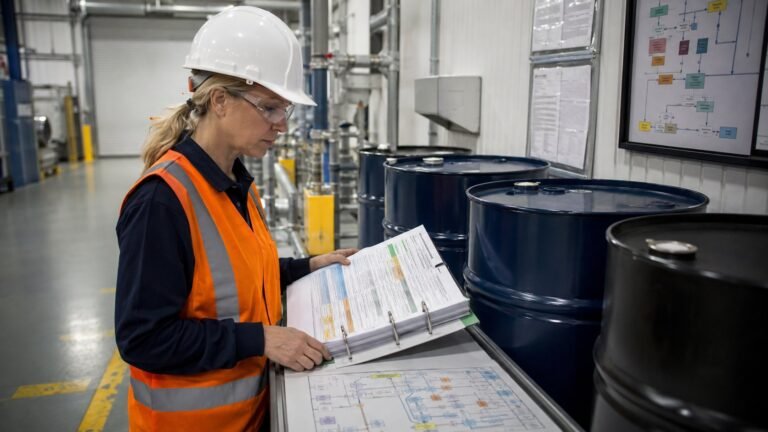
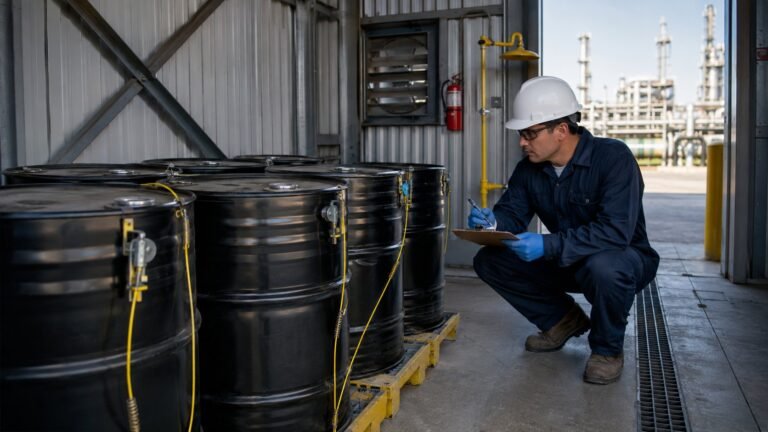
Simplified example. A facility collects multiple battery chemistries from maintenance and office operations. The handler labels the collection containers, protects terminals where necessary, separates damaged or leaking batteries, dates the containers, records weights, and trains employees on accepted items.
A swollen lithium battery is moved to compatible containment using the site’s safety procedure. Any released material and cleanup debris are evaluated separately. The universal-waste vendor’s acceptance criteria guide packaging, but the facility confirms regulatory and DOT requirements independently.
Train handlers and control shipments
Small quantity handlers must inform employees who handle or are responsible for universal waste about proper handling and emergency procedures. Large quantity handlers must ensure those employees are thoroughly familiar with proper handling and emergency procedures relative to their responsibilities.
Ship only to an allowed universal-waste handler, destination facility, or foreign destination under the rule. Resolve DOT classification and packaging separately, especially for lithium batteries, mercury, pressurized aerosol cans, or damaged items.
Common universal-waste mistakes
- Assuming every battery, lamp, electronic, or aerosol can qualifies.
- Ignoring state adoption and added categories.
- Using no label or an ambiguous shop label.
- Failing to demonstrate accumulation time.
- Combining incompatible or damaged batteries.
- Breaking lamps or puncturing cans without evaluating treatment rules.
- Ignoring residues from leaks and breakage.
- Confusing universal-waste and DOT transportation requirements.
Field checklist
- Confirm the waste is a federal or state universal-waste category.
- Determine small- or large-quantity handler status.
- Notify and obtain an EPA ID when required.
- Use an allowed label for each waste type.
- Demonstrate accumulation time and control the one-year limit.
- Prevent breakage, short circuits, incompatibility, and releases.
- Contain releases and determine residues separately.
- Inform or train employees to the applicable standard.
- Track shipments and use allowed destinations.
- Complete a separate DOT review.
Frequently asked questions
Are electronics federal universal waste?
How much universal waste makes a site a large quantity handler?
Can universal waste stay onsite longer than one year?
Check your state rules
State universal-waste programs vary substantially. States may add categories, omit aerosol cans, regulate lamp crushing, require different labels or notifications, or impose additional tracking and transporter conditions.
Primary sources
- 40 CFR Part 273 — Standards for universal waste management
- 40 CFR 273.9 — Universal waste definitions
- EPA — Universal waste
- EPA — State universal waste programs
Federal sources reviewed September 6, 2026. Verify the current text and the rules adopted in your jurisdiction before acting.
This article explains a general federal baseline. It is not a facility-specific determination or legal advice. Verify current federal, state, permit, and local requirements for your facts.