Corrective Action for Hazardous Waste Program Findings
Corrective Action for Hazardous Waste Program Findings
Turn inspection and audit findings into verified fixes, systemic prevention, and evidence of closure.

Correct the immediate condition, control any active risk, determine the cause and extent, assign a durable action, verify effectiveness, and retain closure evidence. Severity and deadlines should reflect legal, safety, and environmental consequences—not just how easy the fix is.
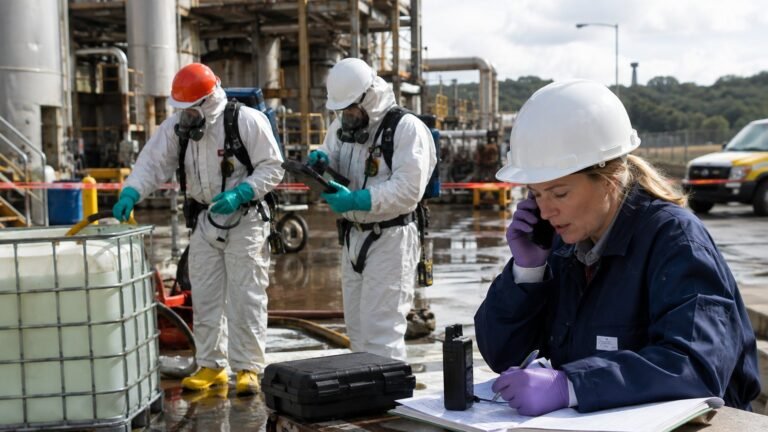
Stabilize the condition first
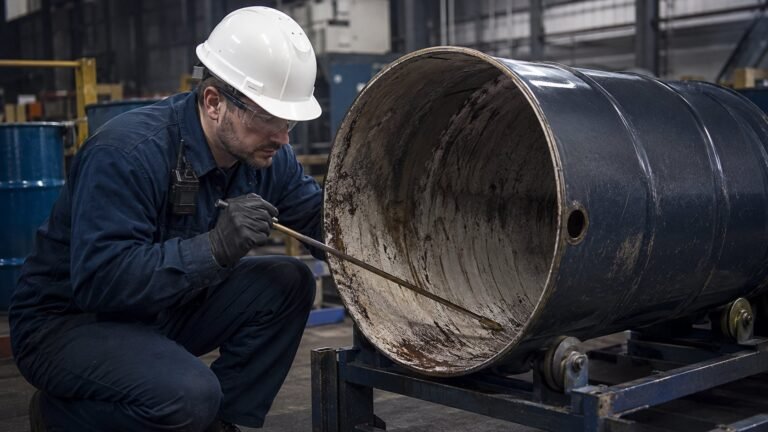
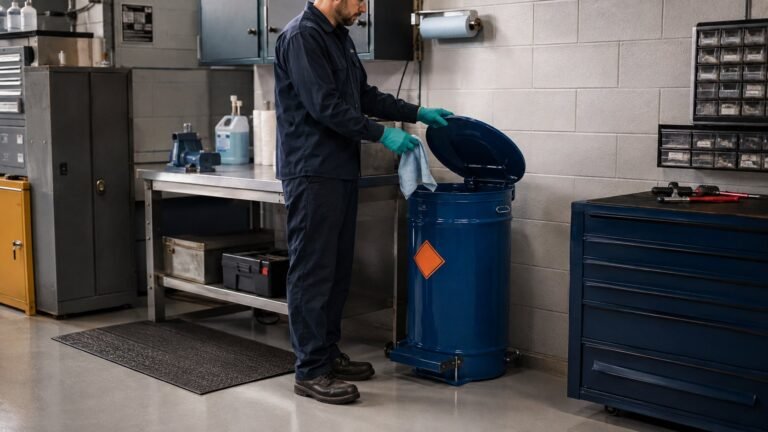
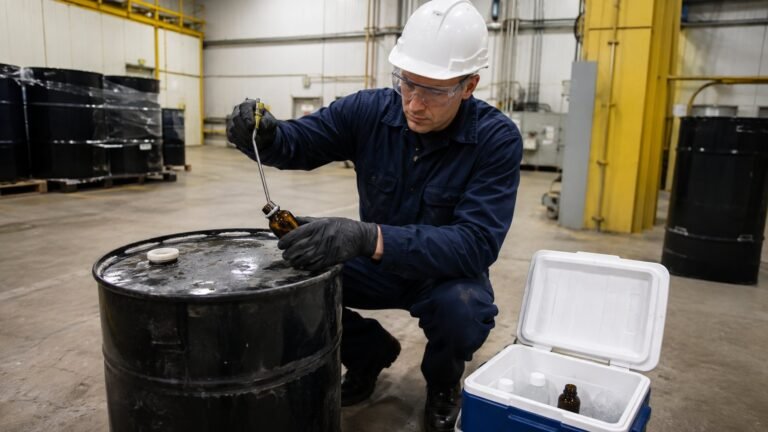
Address leaks, open containers, incompatible storage, missing aisle space, labeling errors, or overdue shipments promptly and safely. Preserve photographs and facts before they disappear.
Define finding, requirement, and extent
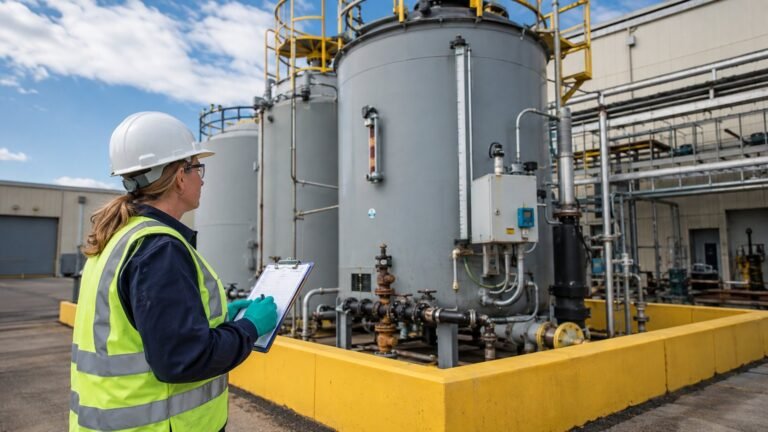
State the observed condition, location, date, evidence, applicable requirement, and affected population. Check whether the same issue exists in other areas, shifts, containers, or records.
Find the system cause
Look beyond individual error to unclear standards, layout, workload, purchasing, training, maintenance, supervision, software, or conflicting procedures. Match corrective action to the cause.
Worked example: repeated open funnels
The site closes the funnels immediately, then finds that operators lack a convenient closed transfer device and the inspection form only says container condition. It installs compatible self-closing equipment, revises the standard, trains affected roles, and checks effectiveness over several inspections.
Verify and trend closure
Require objective evidence, independent review for significant findings, and an effectiveness date. Analyze recurrence by area, cause, waste stream, and requirement.
Put the requirement into daily work
Assign an accountable program owner and translate the hazardous waste corrective action plan decision into a written field standard. Identify who performs each step, who reviews exceptions, what tools and training they need, and where the resulting record is stored. Use clear acceptance criteria so operators, environmental staff, purchasing, shipping, and contractors reach the same conclusion.
Test the workflow with a real waste stream before broad rollout. Observe the work where it occurs, compare the record with field conditions, and correct gaps in equipment, layout, instructions, or responsibility. A technically correct procedure is not an effective control until people can follow it consistently.
Records and reevaluation triggers
Keep the source information, current regulatory basis, facility decision, approvals, and operating evidence together under a stable identifier. Records should allow a reviewer to reconstruct what was known, what decision was made, who made it, and how the facility confirmed ongoing performance.
Reevaluate the hazardous waste corrective action plan conclusion after changes in raw materials, process chemistry, equipment, waste composition, generation rate, storage, packaging, transporter, receiving facility, treatment method, permit conditions, or law. Also trigger review after a spill, rejected shipment, analytical anomaly, inspection finding, or recurring procedural failure.
Common mistakes
- Closing a finding after only a photograph.
- Blaming an employee without examining the work system.
- Assigning vague actions such as retrain staff.
- Missing similar conditions elsewhere.
- Treating recurring findings as separate one-time events.
Field checklist
- Control immediate risk.
- Record the requirement and objective evidence.
- Assess severity and extent.
- Identify causal factors.
- Assign owner, action, and due date.
- Verify completion and effectiveness.
- Trend recurrence and escalate systemic issues.
Frequently asked questions
Is every correction a CAPA?
Who should verify closure?
What proves effectiveness?
Check your state rules
Authorized states may be more stringent, add state-only wastes or requirements, or decline to adopt less stringent federal provisions. Verify current rules and agency interpretations in every applicable jurisdiction.
Primary sources
Federal sources reviewed September 6, 2026. Verify the current text and the rules adopted in your jurisdiction before acting.
This article explains a general federal baseline. It is not a facility-specific determination or legal advice. Verify current federal, state, permit, and local requirements for your facts.