Central Accumulation Areas: Time Limits, Inspections, and Records
Build a central accumulation area program around the federal SQG and LQG conditions and the records that demonstrate day-to-day control.
Your blog category
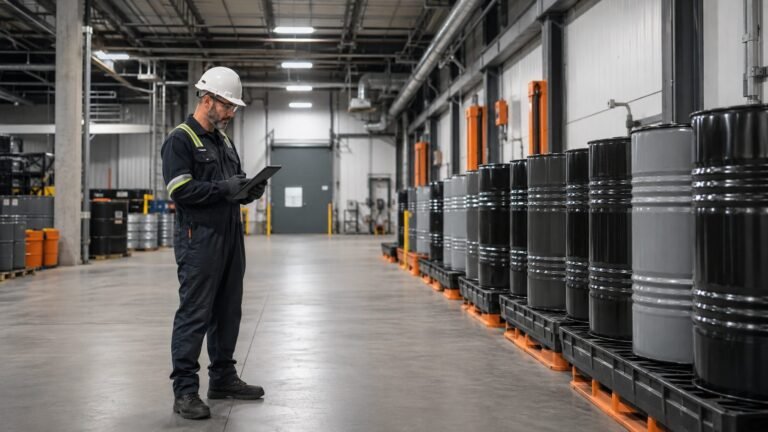
Build a central accumulation area program around the federal SQG and LQG conditions and the records that demonstrate day-to-day control.
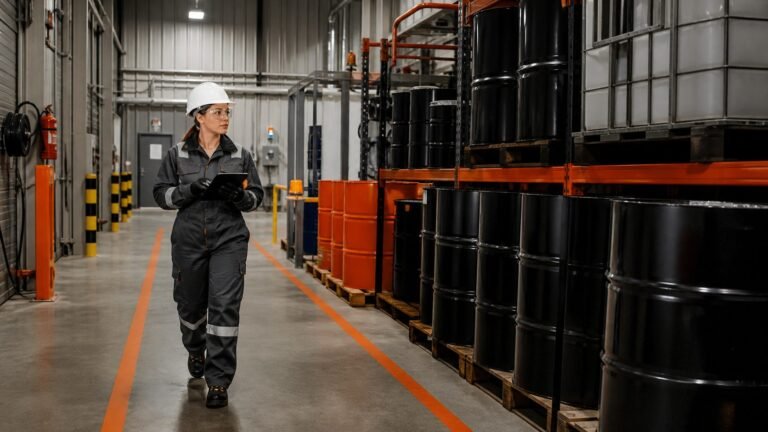
Use a facility self-audit to test whether hazardous waste decisions and field practices agree before an agency inspection exposes the gap.
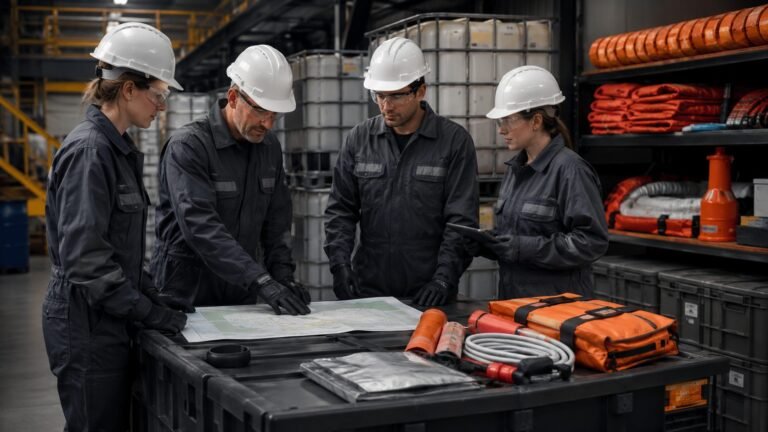
Compare federal SQG and LQG emergency requirements and build a site-specific system for communications, equipment, coordination, and plan updates.
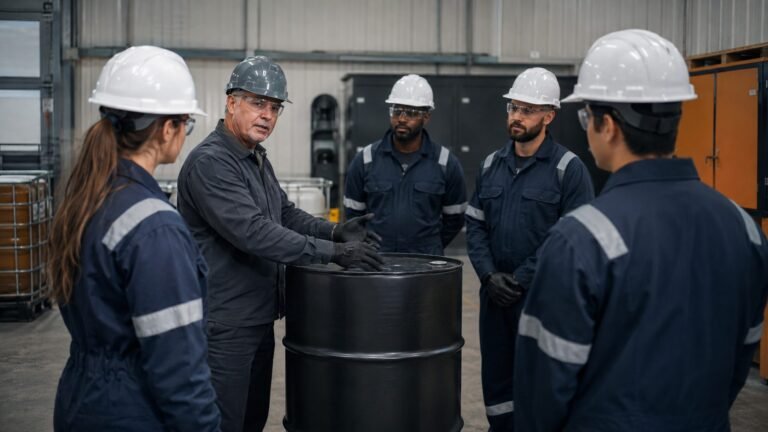
Compare federal SQG familiarization and LQG personnel training duties, then build a role-based program that works beyond the sign-in sheet.
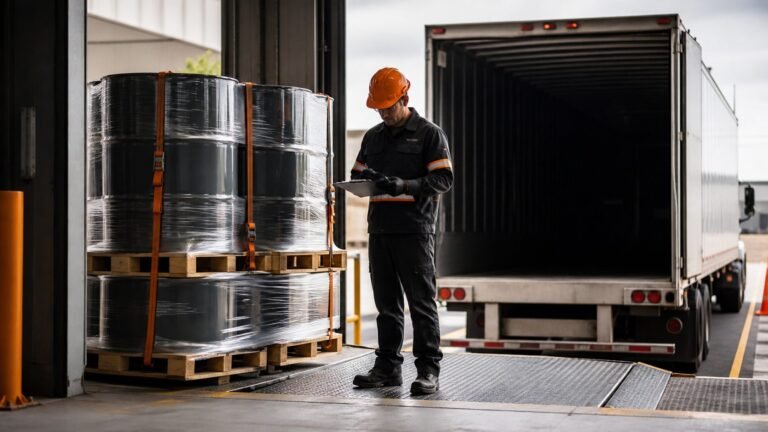
Keep EPA waste decisions and DOT shipment decisions connected without treating either program as a substitute for the other.
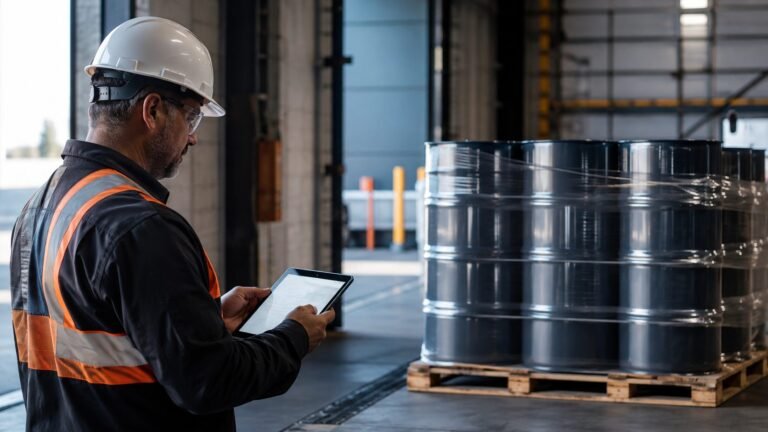
Follow the hazardous waste manifest from preparation through e-Manifest retrieval, discrepancy review, exception reporting, and record retention.

Understand how LDR analysis connects the waste determination to treatment standards, one-time notices, certifications, and receiving-facility communication.

Qualify hazardous waste transporters and receiving facilities while keeping regulatory, technical, and commercial criteria clearly separated.
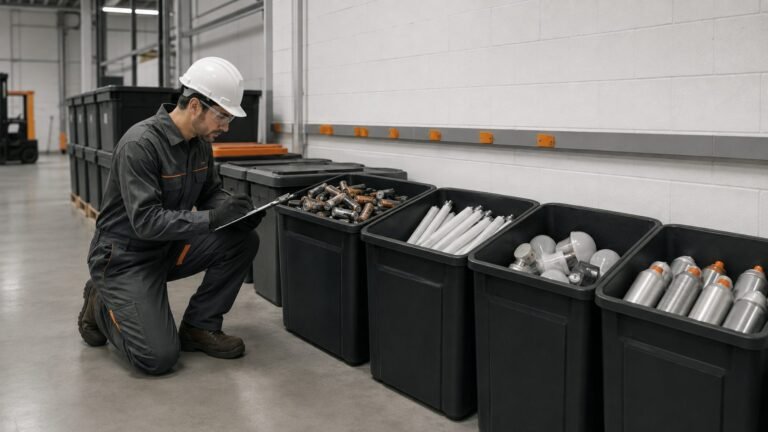
Use the federal Part 273 framework for universal waste without treating the streamlined standards as an exemption from management duties.
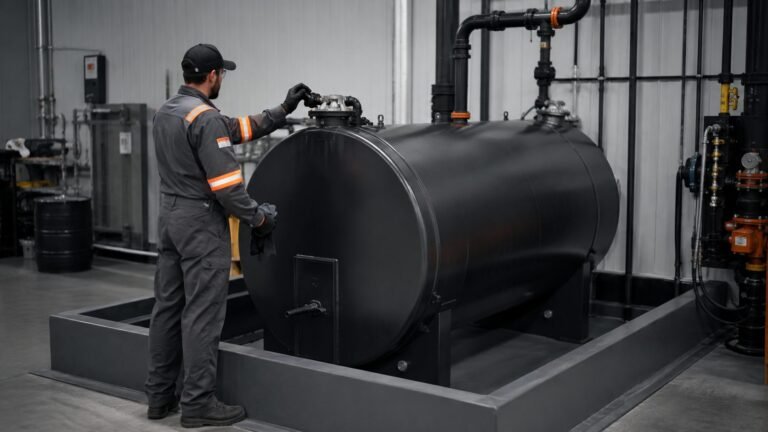
Apply the federal Part 279 used-oil standards while controlling contamination, total halogens, storage, labels, releases, transport, and records.