
RCRA Exclusions: How to Build a Defensible Applicability File
Translate an exclusion citation into operating conditions, evidence, owners, and change controls that survive an inspection.
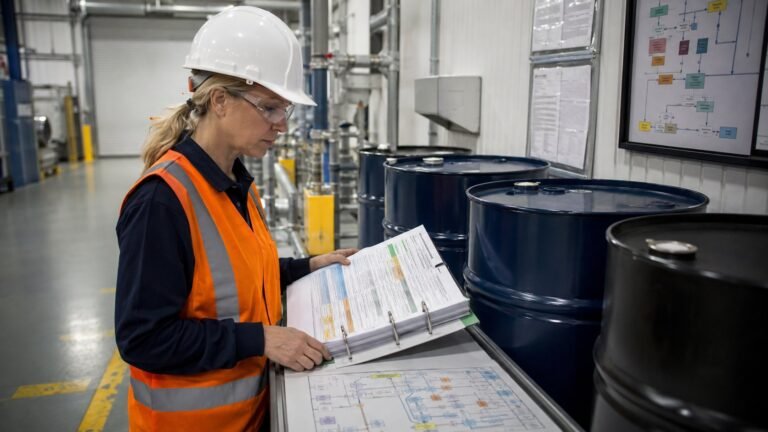
Translate an exclusion citation into operating conditions, evidence, owners, and change controls that survive an inspection.

Evaluate ignitability, corrosivity, reactivity, and toxicity with the right evidence and document the resulting waste codes.

Use source, process, chemical identity, and use status to determine whether a federal listing applies—and what happens after mixing or treatment.

Choose an evidence strategy that answers the regulatory question and remains defensible as the process changes.
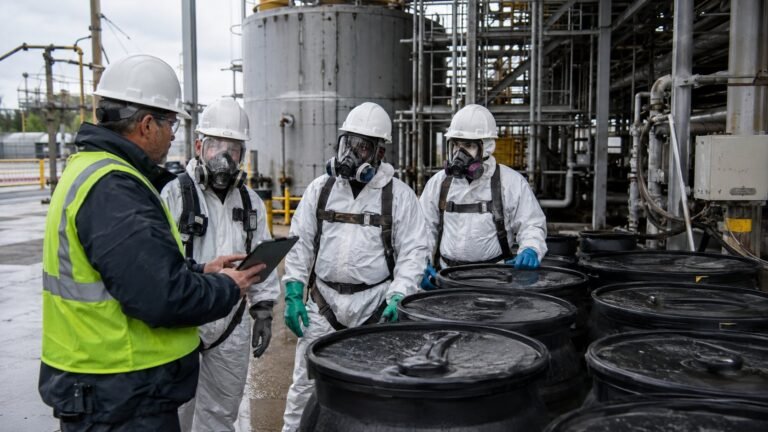
Use the federal episodic-generation framework without accidentally changing the facility’s normal generator category.
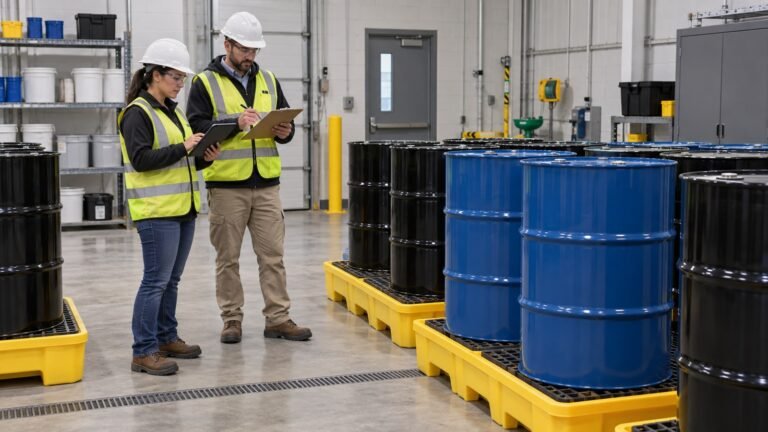
Plan same-control consolidation with correct notifications, labeling, records, generator counting, and state authorization.
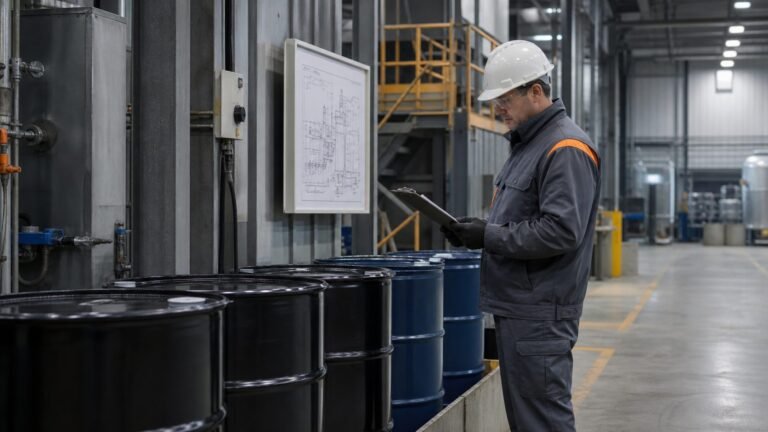
Learn the federal hazardous waste determination sequence, what evidence supports it, and which changes should trigger reevaluation.

Compare VSQG, SQG, and LQG thresholds and build a monthly counting process that detects category changes before they create compliance gaps.
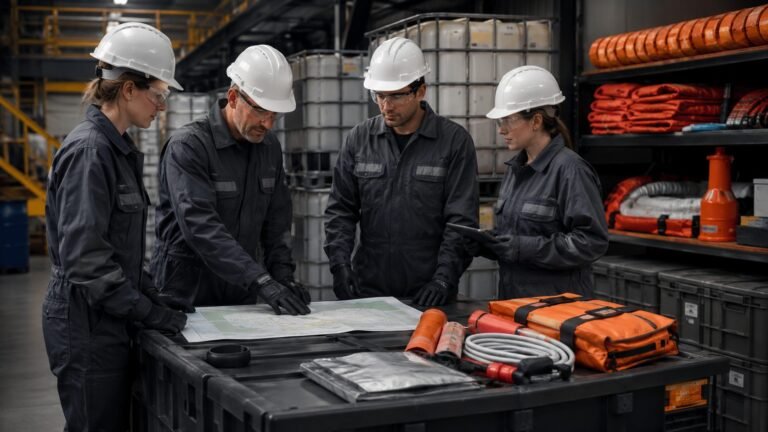
Compare federal SQG and LQG emergency requirements and build a site-specific system for communications, equipment, coordination, and plan updates.

Understand how LDR analysis connects the waste determination to treatment standards, one-time notices, certifications, and receiving-facility communication.