Hazardous Waste Characteristics: A Practical Guide to D001–D043
Hazardous Waste Characteristics: A Practical Guide to D001–D043
Evaluate ignitability, corrosivity, reactivity, and toxicity with the right evidence and document the resulting waste codes.

A solid waste is characteristic hazardous waste when it meets the federal criteria for ignitability (D001), corrosivity (D002), reactivity (D003), or toxicity (D004–D043). Use representative data, process knowledge, and applicable methods; evaluate all plausible characteristics and document why each applies or does not.
Screen all four characteristic families
Do not stop after finding one code. Review physical form, flash point or ignitability criteria, pH and steel corrosion criteria, reactive behavior, and toxicity characteristic constituents. Multiple codes can apply to one waste.
Match evidence to the criterion
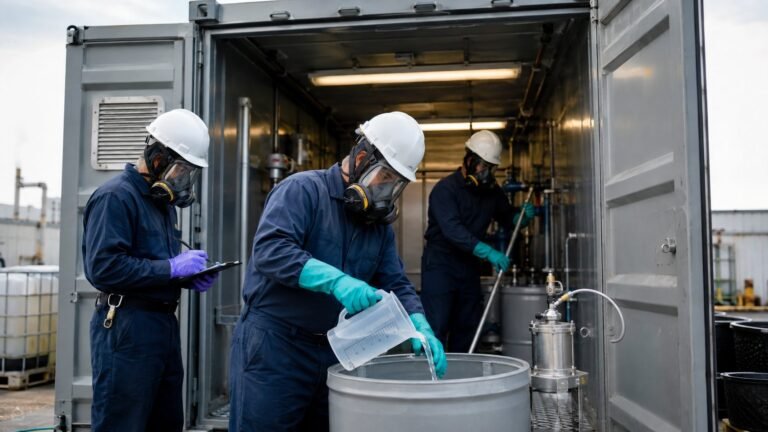
A safety data sheet may help but rarely describes the waste after use. Use formulation, mass balance, operating history, and representative analytical results. Reactivity has no single regulatory test method, so knowledge and professional judgment are central.
Understand the toxicity characteristic
The toxicity characteristic uses the Toxicity Characteristic Leaching Procedure and regulatory levels in 40 CFR 261.24. Total constituent results can sometimes support a conservative screen, but the basis and limitations should be documented.
Worked example: spent acidic cleaner
A facility confirms the spent cleaner is a solid waste, measures a representative pH, considers steel corrosion and contaminants picked up during use, and screens toxicity constituents. It assigns D002 based on the regulatory criterion and records why other plausible codes do not apply.
Link codes to downstream controls
Waste codes affect generator counting, container markings, manifests, land disposal restrictions, treatment, and destination approval. Keep the determination connected to the waste profile and change-control process.
Put the requirement into daily work
Assign an accountable program owner and translate the hazardous waste characteristics decision into a written field standard. Identify who performs each step, who reviews exceptions, what tools and training they need, and where the resulting record is stored. Use clear acceptance criteria so operators, environmental staff, purchasing, shipping, and contractors reach the same conclusion.
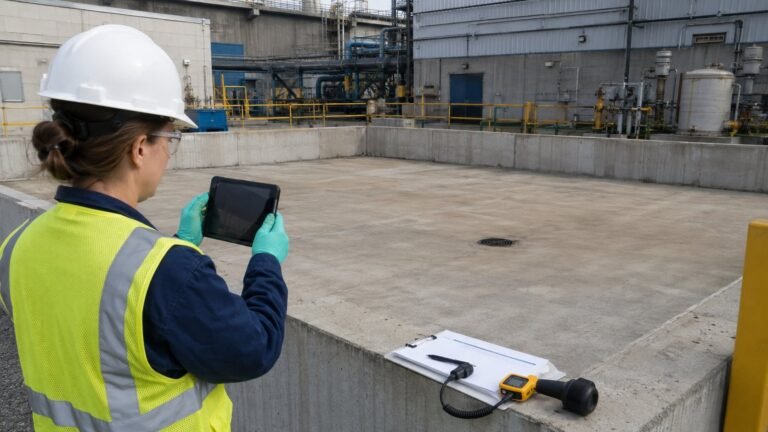
Test the workflow with a real waste stream before broad rollout. Observe the work where it occurs, compare the record with field conditions, and correct gaps in equipment, layout, instructions, or responsibility. A technically correct procedure is not an effective control until people can follow it consistently.
Records and reevaluation triggers
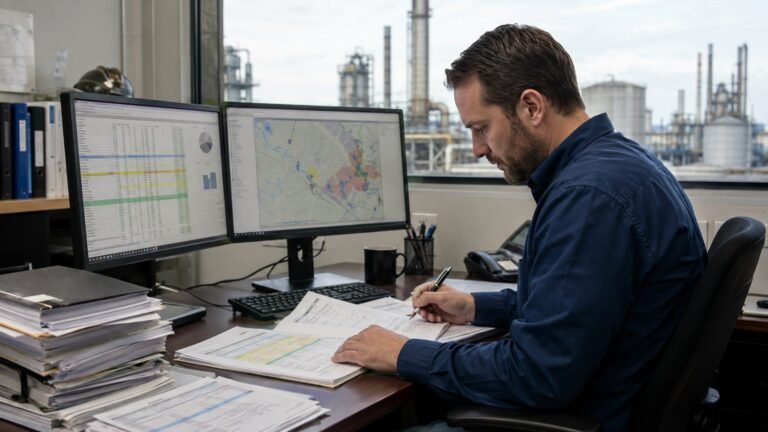
Keep the source information, current regulatory basis, facility decision, approvals, and operating evidence together under a stable identifier. Records should allow a reviewer to reconstruct what was known, what decision was made, who made it, and how the facility confirmed ongoing performance.
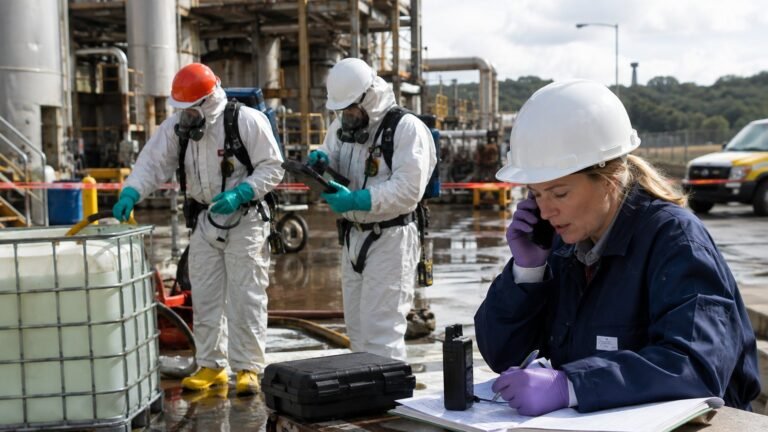
Reevaluate the hazardous waste characteristics conclusion after changes in raw materials, process chemistry, equipment, waste composition, generation rate, storage, packaging, transporter, receiving facility, treatment method, permit conditions, or law. Also trigger review after a spill, rejected shipment, analytical anomaly, inspection finding, or recurring procedural failure.
Common mistakes
- Using product SDS data as the only evidence for spent waste.
- Checking only the most obvious characteristic.
- Confusing a DOT hazard class with a RCRA characteristic.
- Using a nonrepresentative grab sample.
- Failing to add all applicable waste codes.
Field checklist
- Confirm the material is a solid waste.
- Screen D001, D002, D003, and D004–D043.
- Choose knowledge, testing, or both.
- Document sampling and method suitability.
- Record all applicable codes and negative conclusions.
- Connect results to LDR and shipping records.
- Reevaluate after process or composition changes.
Frequently asked questions
Does low pH always mean D002?
Is there an EPA test method for reactivity?
Can total analysis replace TCLP?
Check your state rules
Authorized states may be more stringent, add state-only wastes or requirements, or decline to adopt less stringent federal provisions. Verify current rules and agency interpretations in every applicable jurisdiction.
Primary sources
- 40 CFR Part 261 Subpart C — Characteristics
- EPA — Hazardous Waste Characteristics
- EPA — Defining Hazardous Waste
Federal sources reviewed September 6, 2026. Verify the current text and the rules adopted in your jurisdiction before acting.
This article explains a general federal baseline. It is not a facility-specific determination or legal advice. Verify current federal, state, permit, and local requirements for your facts.