Satellite Accumulation Area vs. Central Accumulation Area: A Field Comparison
Compare the federal location, control, quantity, dating, inspection, emergency-planning, and record expectations that distinguish SAAs from CAAs.
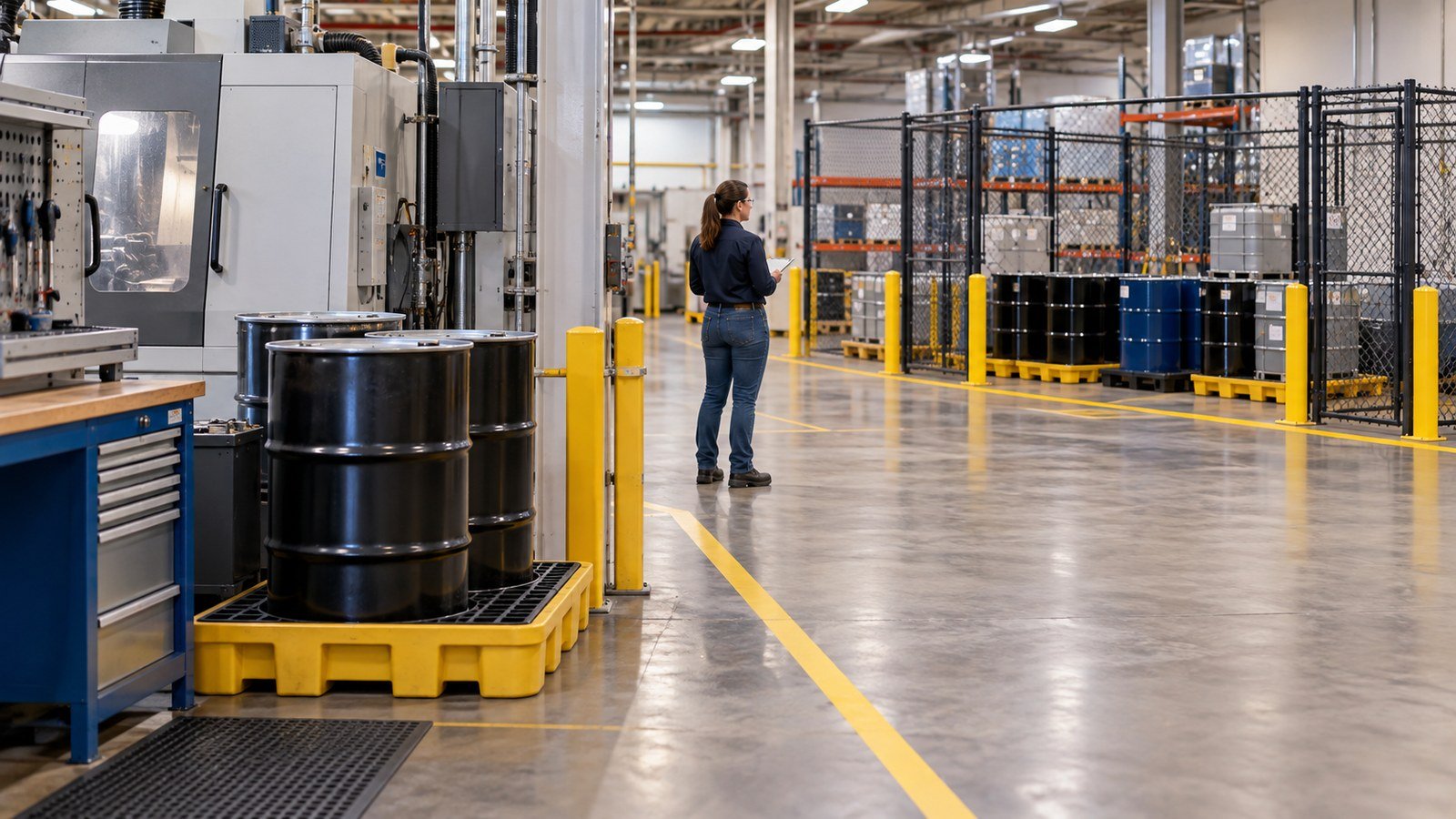
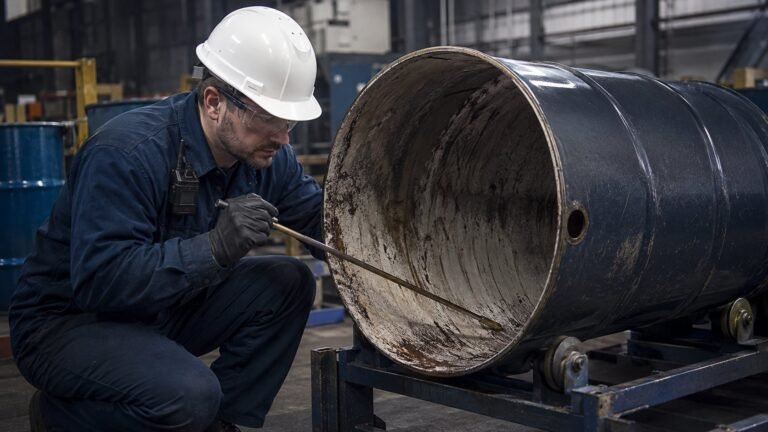
A satellite accumulation area, or SAA, is a limited accumulation option at or near the point where hazardous waste is generated and under the control of the operator. A central accumulation area, or CAA, is where an SQG or LQG manages hazardous waste under the category-specific accumulation conditions in 40 CFR 262.16 or 262.17. The two areas have different quantity limits, dating rules, inspection expectations, and operating controls. State rules may be more stringent or may not have adopted every federal generator improvement.
Start with the purpose of the area
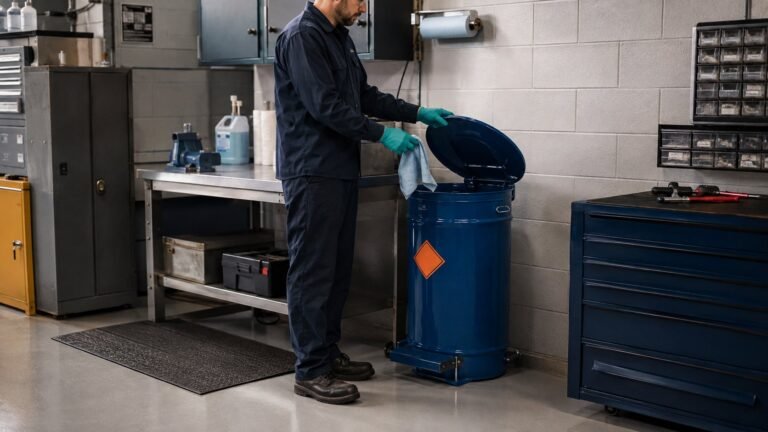
Use the SAA provisions only when the location and operating facts satisfy 40 CFR 262.15. The waste must be accumulated at or near its point of generation and under the control of the operator of the process generating the waste. An SAA is not a convenient label for any small container or remote storage room.
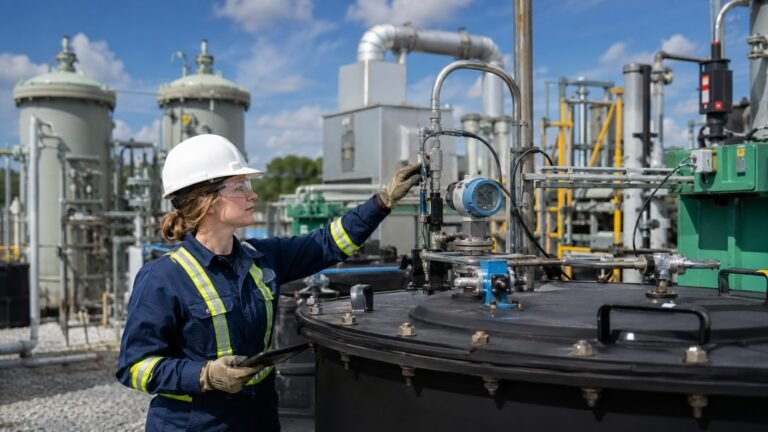
A CAA is a common field term for an area where a small quantity generator or large quantity generator accumulates hazardous waste under the applicable conditions in 40 CFR 262.16 or 262.17. Those sections connect accumulation time, container and tank standards, inspections, emergency preparedness, personnel training where applicable, and other conditions to the generator category.
Very small quantity generators operate under 40 CFR 262.14 unless another provision applies. Do not assign a CAA label merely because a container is located away from a process; identify the generator category and the regulatory pathway first.
Compare the federal field controls
| Question | Satellite accumulation area | Central accumulation area |
|---|---|---|
| Location | At or near the point of generation | Facility-designated accumulation location |
| Operator control | Required under 40 CFR 262.15 | Managed through the facility accumulation program |
| Federal quantity ceiling | Up to 55 gallons of non-acute hazardous waste; separate liquid and solid acute-waste limits apply | Governed by generator category and the applicable unit and time conditions |
| Container date | Date the excess begins when an SAA limit is exceeded | Accumulation start date is generally required under the applicable SQG or LQG conditions |
| Movement after excess | Move the excess and manage it under an allowed provision within three consecutive calendar days | Waste remains subject to the applicable CAA conditions |
| Container inspections | Section 262.15 does not impose the same weekly inspection provision used for CAA containers | Weekly inspections apply to container accumulation areas under the applicable SQG or LQG provisions |
| Emergency provisions | The SAA must meet the applicable SQG preparedness and emergency provisions or the LQG requirements in subpart M | The applicable generator-category preparedness and emergency provisions apply |
This table is a federal overview. It does not replace the full text of the applicable section or an authorized state program.
Avoid the most common transition failure
When an SAA exceeds an applicable quantity limit, the generator must mark the container holding the excess with the date the excess began. The excess must be moved within three consecutive calendar days to a central accumulation area, a permitted or interim-status facility, or another destination allowed by 40 CFR 262.15.
If the container moves into a CAA, it must meet the conditions that apply there. Three consecutive calendar days include weekends and holidays. The event should also prompt a review of pickup frequency, process variability, container size, available capacity, and operator instructions.
Starting another container simply to avoid the SAA limit does not resolve the underlying compliance issue. Track the total amount accumulated in the SAA and escalate before the limit is reached.
Keep evidence that matches the physical layout
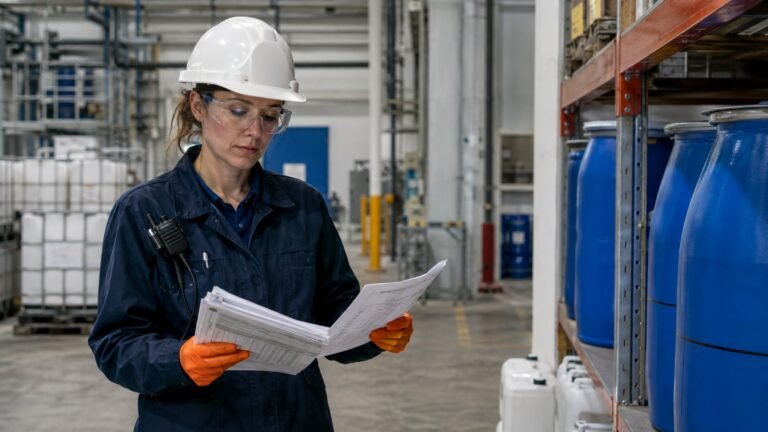
Maintain a current area list or map, identify the generating process and responsible operator, document which areas are SAAs or CAAs, and retain inspection records where required. Field markings, container dates, emergency information, and written procedures should agree with the area designation.
A reviewer should be able to walk from the process to the container and understand why the selected rule applies. Reevaluate the designation after changes in process layout, staffing, waste volume, container type, generator category, or state requirements.
For more detail, see the HazWastePros references on satellite accumulation area requirements, central accumulation area requirements, and hazardous-waste container management.
Questions for a field review
- Is each SAA genuinely at or near the point of generation?
- Who controls the area and the container?
- Are containers compatible, in good condition, and closed except when allowed?
- Do markings communicate that the container holds hazardous waste and indicate its hazards?
- Is the current quantity below the applicable SAA limit?
- Are excess containers dated and moved within three consecutive calendar days?
- Are CAA containers included in the required weekly inspection program?
- Do the applicable preparedness and emergency provisions cover the accumulation areas?
- Has the facility checked the authorized state program?
Field checklist
- Identify the generator category and applicable accumulation pathway.
- Map each SAA to its point of generation and responsible operator.
- Confirm container condition, compatibility, closure, and markings.
- Track the total quantity within each SAA.
- Date excess promptly and transfer it within three consecutive calendar days.
- Apply the correct CAA date and weekly inspection controls.
- Include each area in the applicable preparedness and emergency program.
- Verify current authorized-state requirements.
Frequently asked questions
Is every small container near a process an SAA?
Does the three-day period exclude weekends?
Does federal law require weekly SAA inspections?
Check your state rules
Most states administer authorized hazardous-waste programs. A state may be more stringent, use different terminology, or adopt federal generator revisions on a different schedule. Verify current state regulations and agency guidance before relying on this federal comparison.
Primary sources
- 40 CFR 262.15 – Satellite accumulation area regulations
- 40 CFR 262.16 – Small quantity generator conditions
- 40 CFR 262.17 – Large quantity generator conditions
- EPA – Frequent questions about hazardous-waste generation
- EPA – Hazardous Waste Generator Regulations Compendium
Sources reviewed September 28, 2026. Verify the current text and the rules adopted in your jurisdiction before acting.
This article explains a general federal baseline. It is not a facility-specific determination or legal advice. Verify current federal, state, permit, and local requirements for your facts.