Wastewater Treatment Unit Exemption: Scope, Limits, and Documentation
Wastewater Treatment Unit Exemption: Scope, Limits, and Documentation
Test every element of the RCRA wastewater treatment unit definition and document the connection to Clean Water Act regulation.
A wastewater treatment unit is a defined device that may be exempt from specified RCRA permitting standards when every element is met. Confirm the unit is a tank or tank system, is part of a wastewater treatment facility subject to Clean Water Act Section 402 or 307(b), and handles qualifying hazardous influent wastewater or sludge. The exemption is unit-specific and does not erase generator, LDR, air, release, or state duties.
Map the treatment system
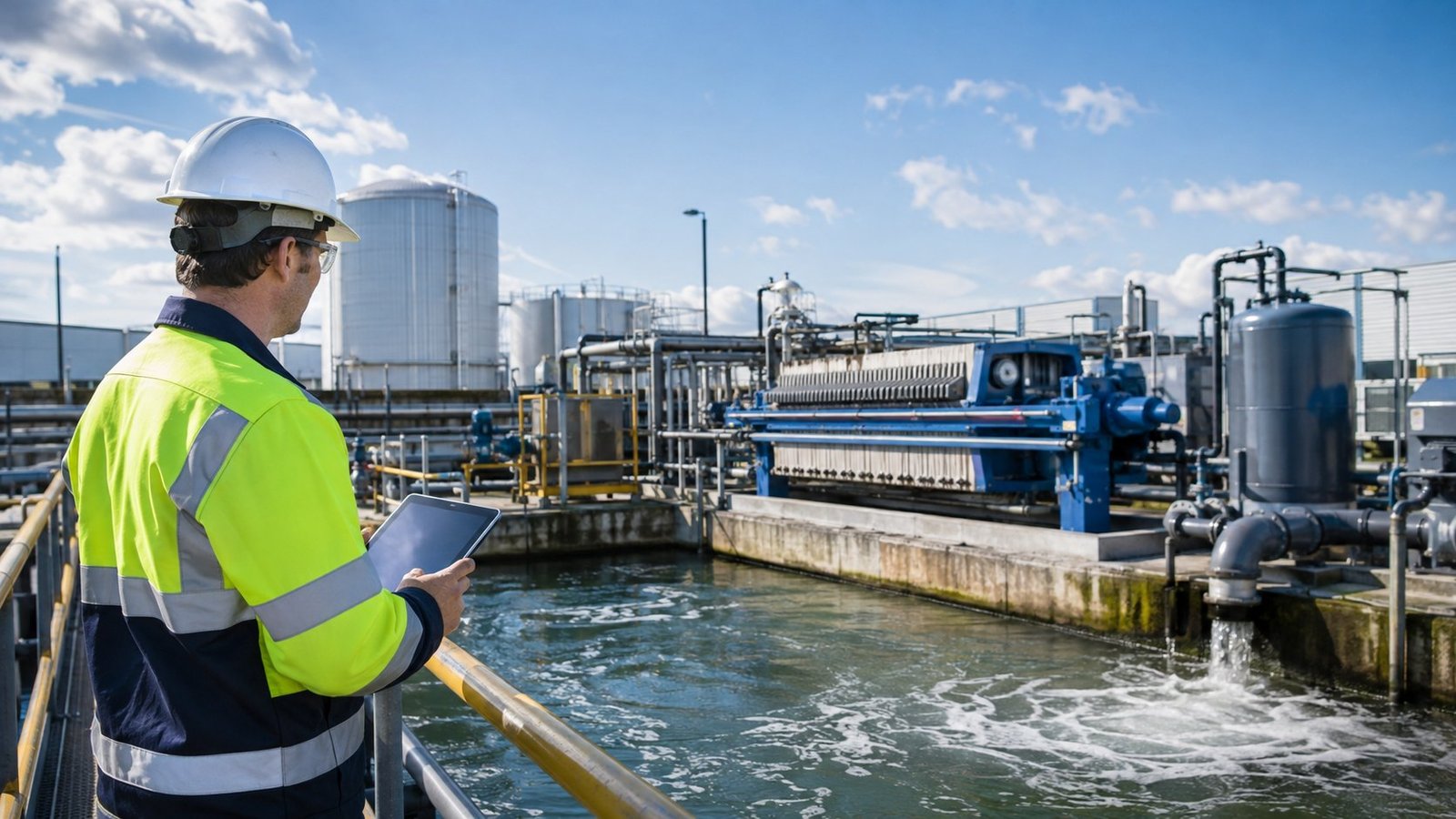
Identify tanks, piping, sumps, presses, filters, equalization, pretreatment, sludge handling, discharge points, and off-line storage. Determine which components meet the unit definition and which do not.
Prove Clean Water Act status
Document the NPDES permit, pretreatment control mechanism, or other basis showing the treatment facility is subject to Section 402 or 307(b). A general assertion that water eventually reaches a sewer is insufficient.
Distinguish wastewater from concentrated waste
Describe flow, composition, source, and function. Concentrated chemicals, product storage, and nonaqueous waste may fall outside the wastewater treatment unit analysis.
Worked example: plating pretreatment system
A metal finisher maps equalization and treatment tanks, filter press, sludge containers, and discharge permit. It documents exempt tanks, separately manages hazardous filter cake and container storage, and reviews LDR and air requirements.
Maintain boundary controls
Use diagrams, equipment lists, permits, waste determinations, sludge profiles, inspections, and change triggers. Review bypasses, temporary tanks, hauled waste, new treatment chemicals, and discharge changes.
Put the requirement into daily work
Assign an accountable owner and translate the wastewater treatment unit exemption decision into a field standard. Identify who performs each step, who reviews exceptions, what training and equipment are required, and where evidence is retained. Test the workflow with a real facility example before broad use.
Connect environmental, operations, maintenance, laboratory, purchasing, shipping, emergency-response, and contractor roles where their decisions affect the outcome. Use clear acceptance criteria so the same facts produce the same decision.
Records and reevaluation triggers
Keep the current regulatory basis, facility analysis, approvals, operating records, and exception history under a stable identifier. A reviewer should be able to reconstruct what was known, who decided, how the control was implemented, and how ongoing performance was verified.
Reevaluate after changes in material, process, equipment, quantity, storage, handling, vendor, destination, permit, law, incident, inspection finding, analytical result, or recurring failure. Document both the trigger and the resulting decision.
Common mistakes
- Calling every sewer-connected tank exempt.
- Including container storage in the unit boundary.
- Ignoring concentrated or nonaqueous feeds.
- Failing to determine wastewater sludge.
- Assuming the exemption eliminates other environmental rules.
Field checklist
- Map all components and flows.
- Confirm tank or tank-system status.
- Document Clean Water Act regulatory basis.
- Verify wastewater or sludge eligibility.
- Separate non-exempt storage and residues.
- Reevaluate bypasses and system changes.
Frequently asked questions
Must components be directly connected?
Are hazardous wastewater sludges unregulated?
Does a septic system qualify?
Check your state rules
Authorized states may be more stringent, broader in scope, or use different adoption and reporting rules. Verify current requirements and agency interpretations in every applicable jurisdiction.
Primary sources
- 40 CFR 260.10 – Wastewater treatment unit definition
- EPA RCRA Online – Wastewater Treatment Unit Exemption
- 40 CFR 264.1(g)(6) – Exemption
Federal sources reviewed September 7, 2026. Verify the current text and the rules adopted in your jurisdiction before acting.
This article explains a general federal baseline. It is not a facility-specific determination or legal advice. Verify current federal, state, permit, and local requirements for your facts.