Ignitable and Reactive Hazardous Waste: Storage and Operating Controls
Ignitable and Reactive Hazardous Waste: Storage and Operating Controls
Connect D001 and D003 determinations to ignition control, location, equipment, grounding, compatibility, and emergency response.
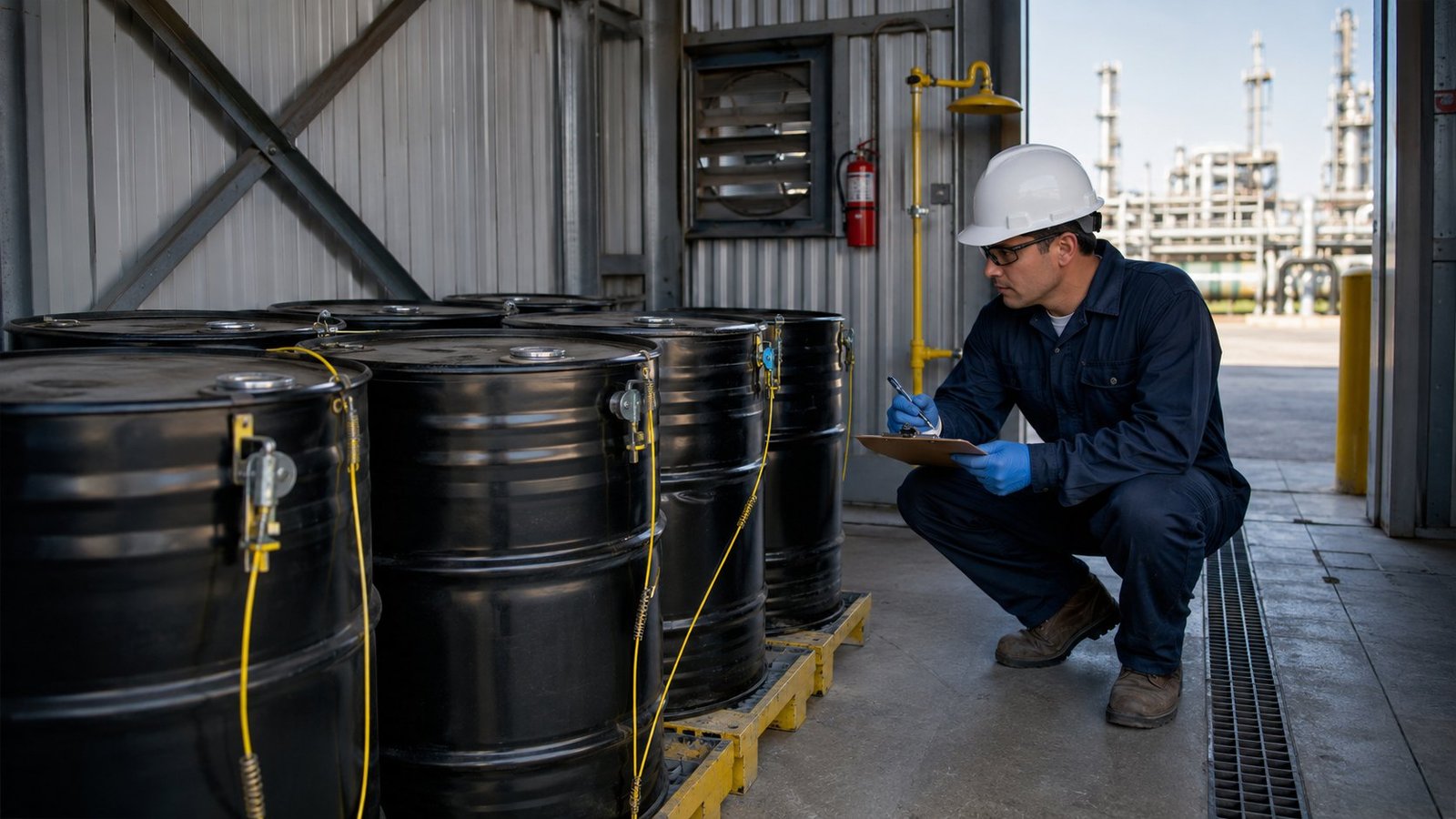
After identifying ignitable or reactive hazardous waste, translate the determination into field controls. Address ignition and heat sources, static electricity, electrical classification, incompatible materials, container closure and venting, property-line conditions, fire-code requirements, inspections, and emergency response. State and local fire rules may be more restrictive than the federal baseline.
Start with the actual hazard
Record flash point or other ignitability basis, reactive mechanism, concentration, physical form, gas generation, pressure sensitivity, water reactivity, and decomposition conditions. A D-code alone does not describe every operating control.
Control ignition and reaction sources
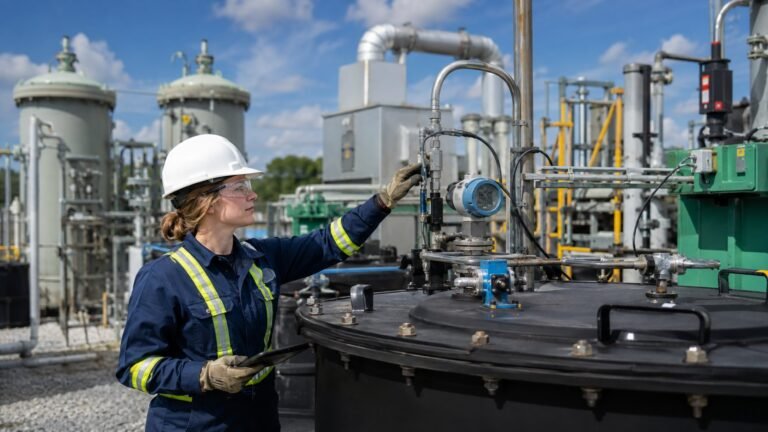
Evaluate smoking, hot work, vehicles, sparks, static, electrical equipment, heating, sunlight, friction, and incompatible materials. Coordinate RCRA controls with fire code, OSHA, and engineering requirements.
Design storage and transfer
Select compatible containers, bonding and grounding where needed, controlled venting only when permitted, spacing, containment, ventilation, and transfer equipment. Verify property-line and waiver provisions for applicable generators.
Worked example: solvent waste collection
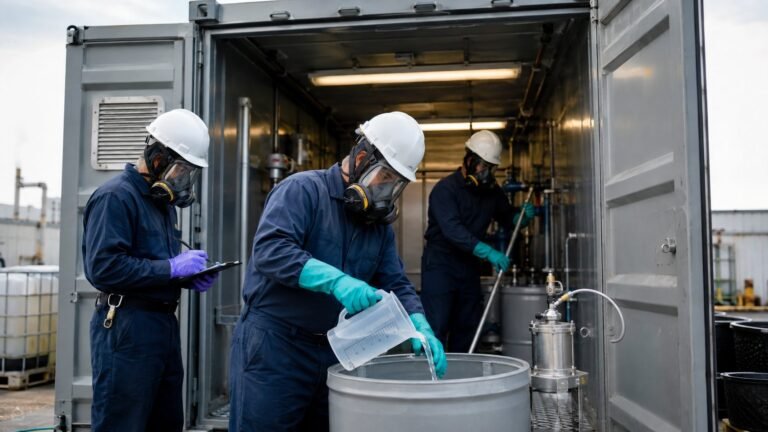
A facility uses closed conductive containers, bonded transfer equipment, ignition-source controls, compatible absorbents, and a hot-work boundary. The weekly inspection checks closures, grounding points, residue, and unauthorized equipment.
Prepare for abnormal conditions
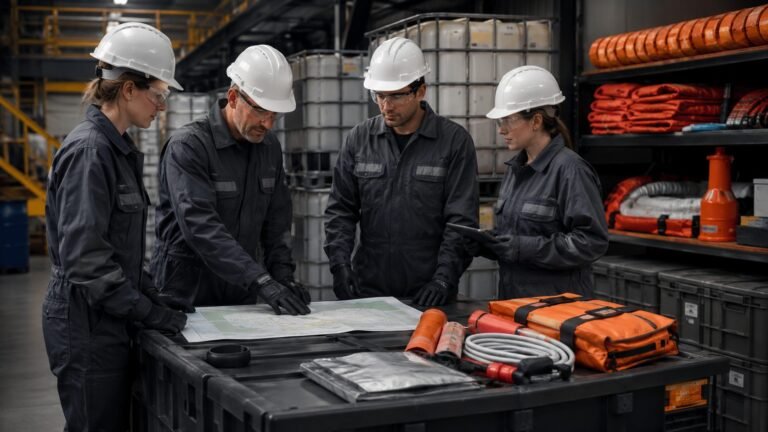
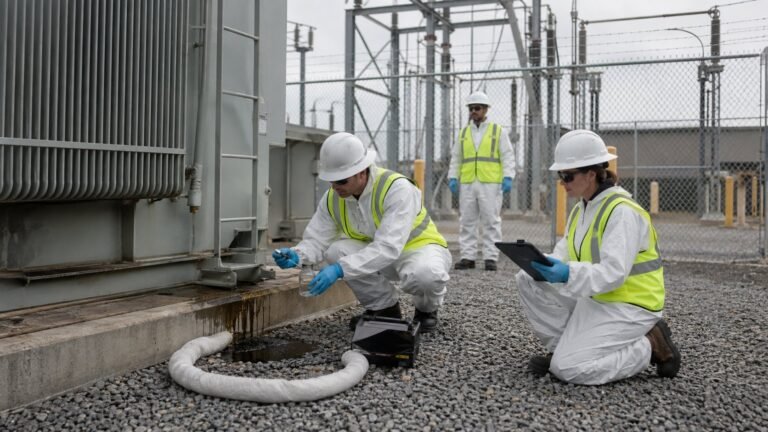
Define actions for heat, swelling, hissing, crystallization, shock-sensitive residue, damaged containers, or unknown material. Personnel should isolate and escalate rather than improvise handling.
Put the requirement into daily work
Assign an accountable owner and translate the ignitable reactive hazardous waste decision into a field standard. Identify who performs each step, who reviews exceptions, what training and equipment are required, and where evidence is retained. Test the workflow with a real facility example before broad use.
Connect environmental, operations, maintenance, laboratory, purchasing, shipping, emergency-response, and contractor roles where their decisions affect the outcome. Use clear acceptance criteria so the same facts produce the same decision.
Records and reevaluation triggers
Keep the current regulatory basis, facility analysis, approvals, operating records, and exception history under a stable identifier. A reviewer should be able to reconstruct what was known, who decided, how the control was implemented, and how ongoing performance was verified.
Reevaluate after changes in material, process, equipment, quantity, storage, handling, vendor, destination, permit, law, incident, inspection finding, analytical result, or recurring failure. Document both the trigger and the resulting decision.
Common mistakes
- Treating D001 as only a no-smoking rule.
- Assuming all grounding practices are interchangeable.
- Venting containers routinely without a basis.
- Ignoring local fire-code separation.
- Moving unstable waste without specialist review.
Field checklist
- Document the ignitable or reactive mechanism.
- Inventory credible ignition and reaction sources.
- Verify containers, equipment, spacing, and containment.
- Coordinate fire, OSHA, and environmental rules.
- Inspect critical controls and warning signs.
- Create isolation and emergency escalation steps.
Frequently asked questions
Is every flammable liquid a D001 hazardous waste?
May a hazardous waste container be vented?
Who can approve reactive-waste handling?
Check your state rules
Authorized states may be more stringent, broader in scope, or use different adoption and reporting rules. Verify current requirements and agency interpretations in every applicable jurisdiction.
Primary sources
- 40 CFR 261.21 – Ignitability
- 40 CFR 261.23 – Reactivity
- 40 CFR 265.17 – Ignitable, reactive, or incompatible waste
Federal sources reviewed September 7, 2026. Verify the current text and the rules adopted in your jurisdiction before acting.
This article explains a general federal baseline. It is not a facility-specific determination or legal advice. Verify current federal, state, permit, and local requirements for your facts.