Unknown and Abandoned Waste: A Safe Characterization and Disposal Workflow
Unknown and Abandoned Waste: A Safe Characterization and Disposal Workflow
Control unidentified drums and legacy chemicals without unsafe opening, mixing, sampling, or premature waste-code assumptions.
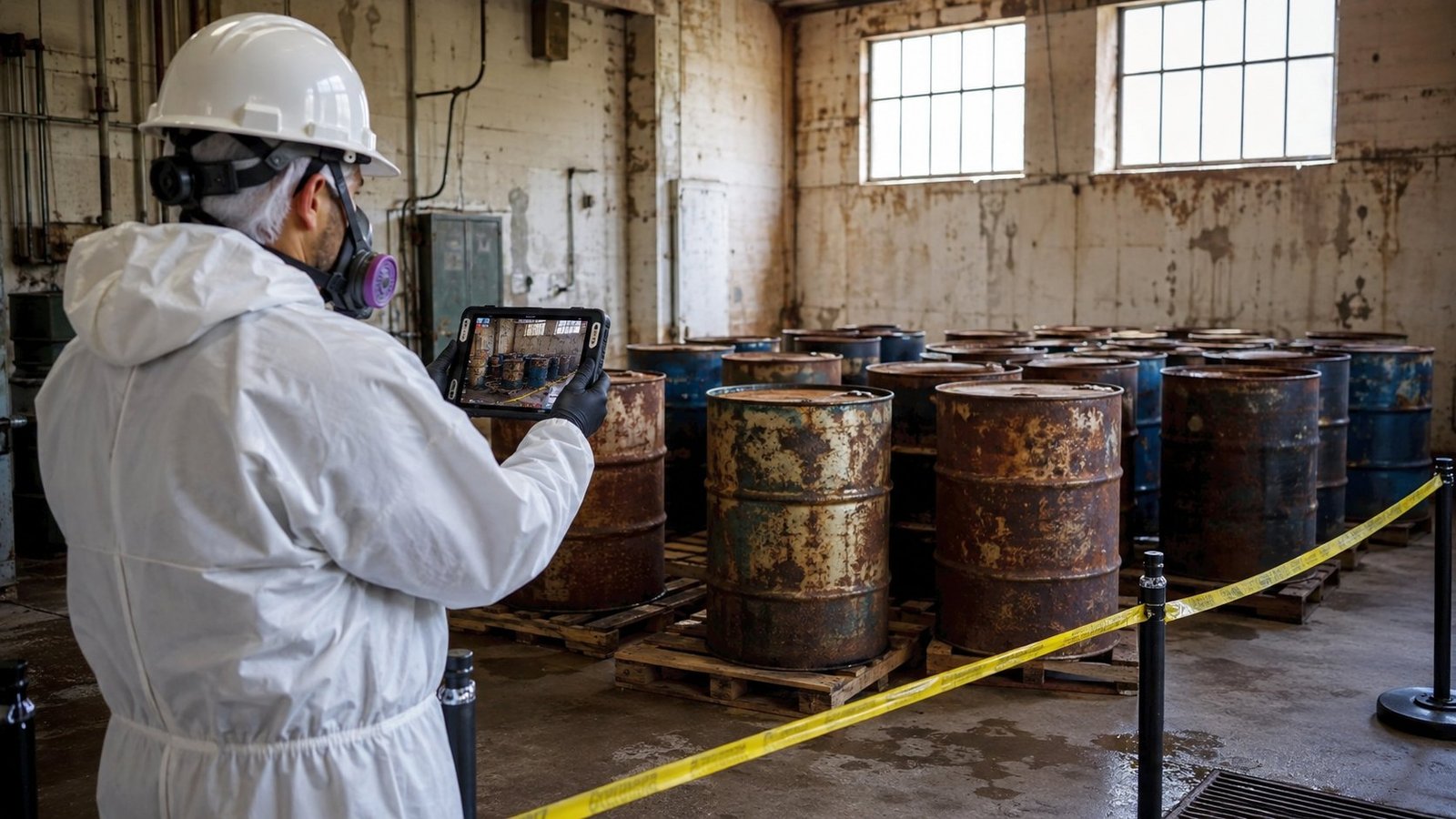
Treat unknown or abandoned material as a controlled uncertainty. Secure the area, assess immediate hazards from a safe distance, preserve container and location evidence, research site history, develop a qualified characterization and sampling plan, evaluate RCRA and other programs, choose compatible overpack and handling methods, and track final disposition. Do not open, move, smell, or consolidate unknown containers casually.
Stabilize without disturbing evidence
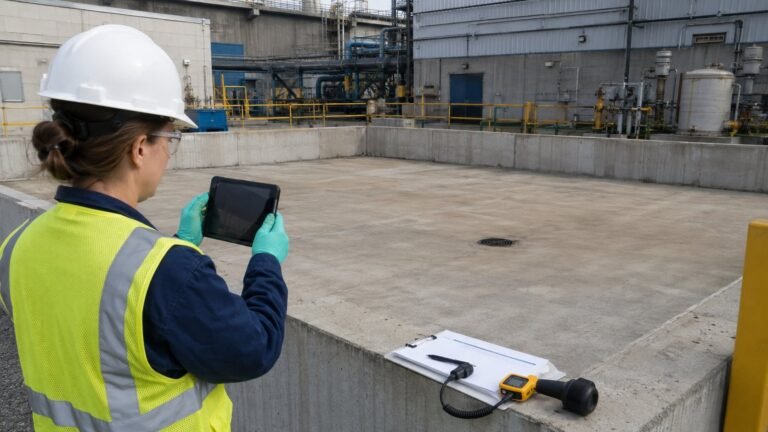
Establish access control, inspect remotely where possible, document labels and condition, evaluate bulging, crystallization, corrosion, leakage, heat, pressure, radiation, and incompatible surroundings, and involve emergency specialists when warning signs exist.
Research before sampling
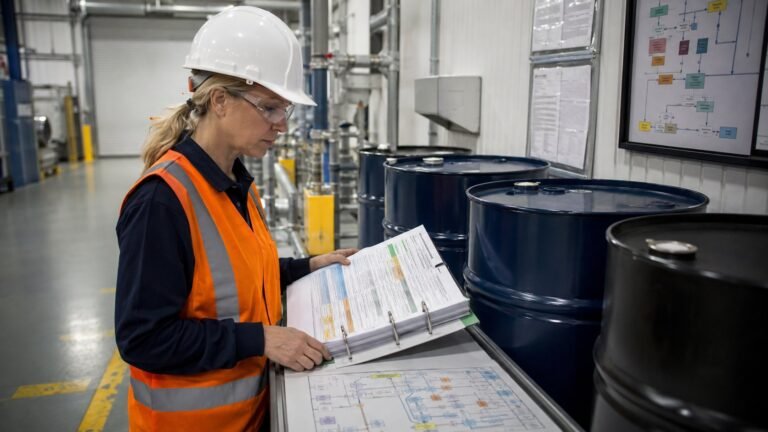
Review purchasing, process, laboratory, maintenance, inventory, shipping, building, and employee knowledge. Container markings and field instruments can guide planning but may not prove contents.
Design a safe characterization plan
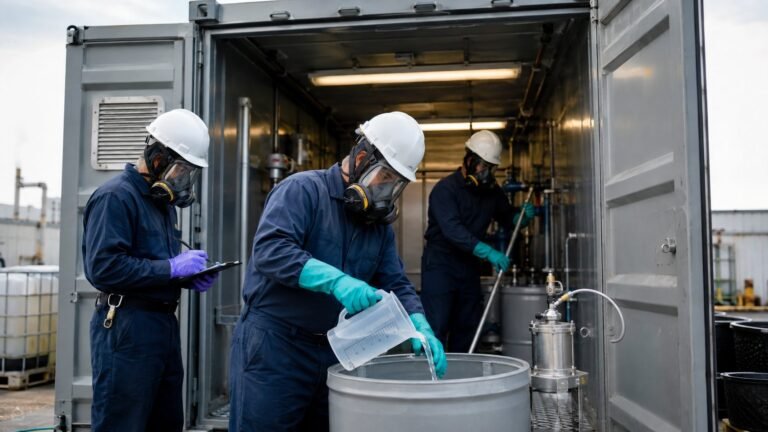
Define decision questions, hazards, sampling equipment, remote opening needs, compatibility screens, analytical methods, packaging, PPE, emergency support, and laboratory acceptance. Unknown cylinders, explosives, peroxides, and shock-sensitive materials require specialized support.
Worked example: legacy laboratory cabinet
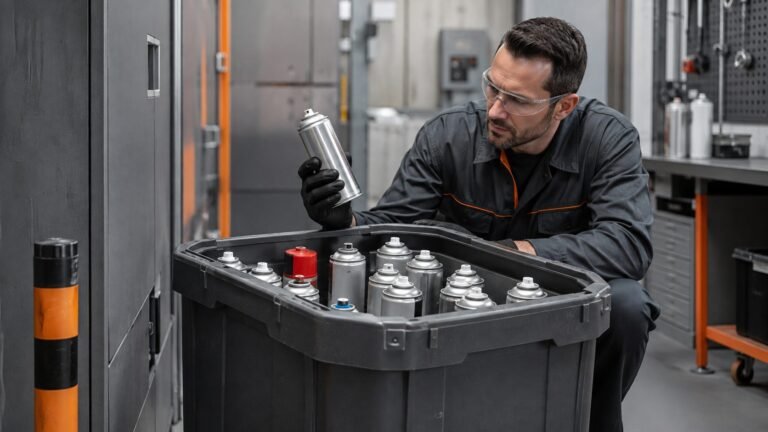
A facility isolates an old cabinet, inventories containers without opening them, identifies peroxide-forming chemicals and degraded labels, retains a specialist, segregates compatibility groups, samples only when safe and useful, and documents each disposal profile.
Maintain custody and final reconciliation
Assign unique IDs, track every move, sample, result, overpack, profile, manifest, and certificate. Investigate unmatched containers or quantities before closing the project.
Put the requirement into daily work
Assign an accountable owner and translate the unknown hazardous waste characterization decision into a field standard. Identify who performs each step, who reviews exceptions, what training and equipment are required, and where evidence is retained. Test the workflow with a real facility example before broad use.
Connect environmental, operations, maintenance, laboratory, purchasing, shipping, emergency-response, and contractor roles where their decisions affect the outcome. Use clear acceptance criteria so the same facts produce the same decision.
Records and reevaluation triggers
Keep the current regulatory basis, facility analysis, approvals, operating records, and exception history under a stable identifier. A reviewer should be able to reconstruct what was known, who decided, how the control was implemented, and how ongoing performance was verified.
Reevaluate after changes in material, process, equipment, quantity, storage, handling, vendor, destination, permit, law, incident, inspection finding, analytical result, or recurring failure. Document both the trigger and the resulting decision.
Common mistakes
- Opening a swollen or crystallized container.
- Combining small unknowns for convenience.
- Relying on odor or appearance.
- Sending samples to a laboratory without hazard disclosure.
- Losing identity during overpacking.
Field checklist
- Secure the area and assess immediate hazards.
- Create a photographic container inventory.
- Research sources and process history.
- Develop a specialist-reviewed sampling plan.
- Segregate and package by compatibility.
- Track identity through final disposition.
Frequently asked questions
Should every unknown be sampled?
Can an unknown drum be moved to make room?
Who owns legacy waste discovered during construction?
Check your state rules
Authorized states may be more stringent, broader in scope, or use different adoption and reporting rules. Verify current requirements and agency interpretations in every applicable jurisdiction.
Primary sources
- 40 CFR 262.11 – Waste determination
- EPA SW-846 – Hazardous Waste Test Methods
- EPA – Hazardous Waste Identification
Federal sources reviewed September 7, 2026. Verify the current text and the rules adopted in your jurisdiction before acting.
This article explains a general federal baseline. It is not a facility-specific determination or legal advice. Verify current federal, state, permit, and local requirements for your facts.