Choosing Hazardous Waste Treatment and Disposal Technologies
Choosing Hazardous Waste Treatment and Disposal Technologies
Translate waste properties and regulatory treatment standards into a documented technology and destination decision.
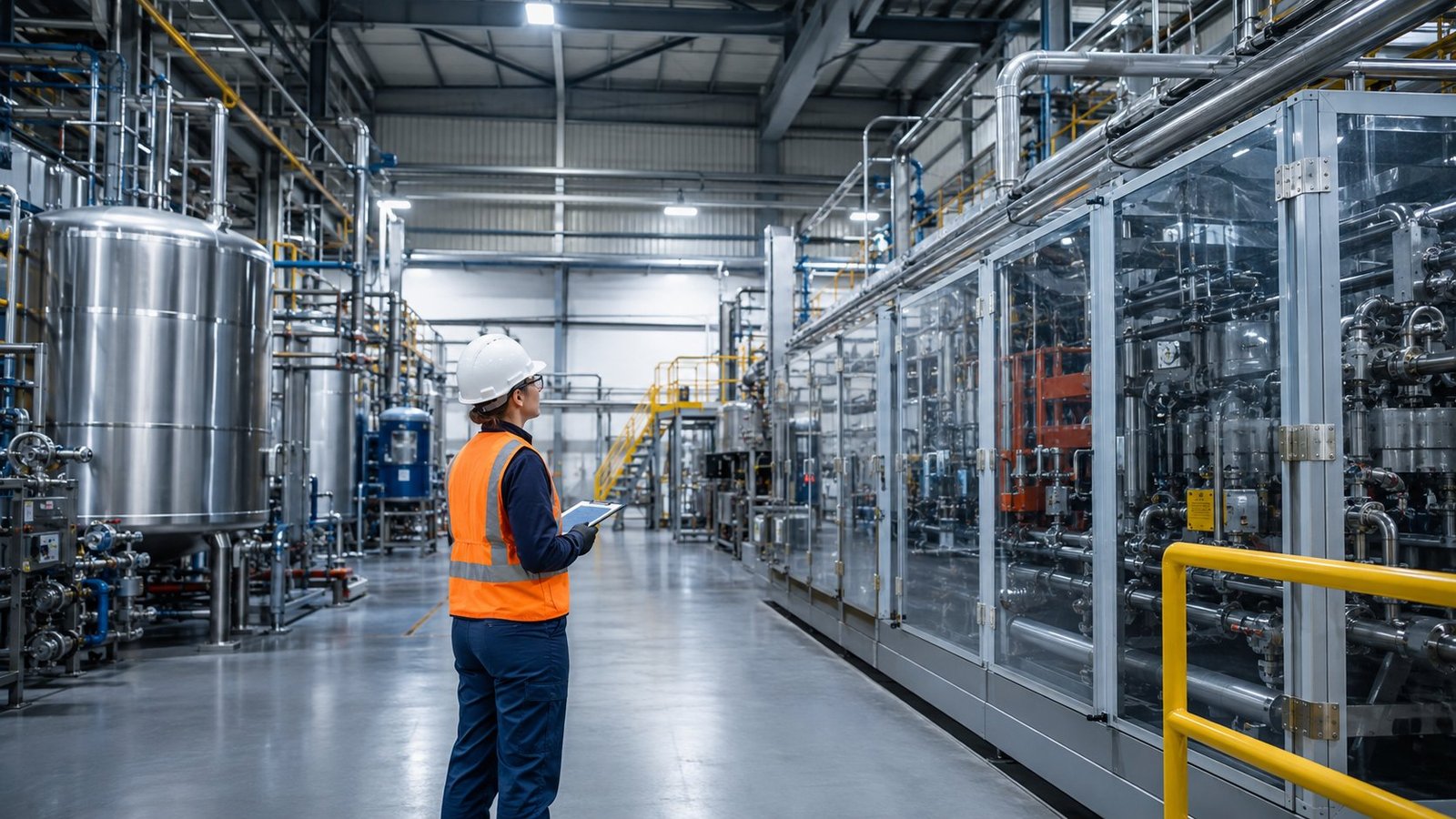
Choose technology after defining the waste, hazards, applicable treatment standards, physical limits, destination authorization, and desired outcome. Evaluate the full process—including residues and final disposition—and separate regulatory requirements from facility-specific acceptance criteria.
Build the treatment design basis
Compile waste codes, constituents, concentration ranges, physical state, heat value, water content, incompatibilities, variability, prohibited items, packaging, and volume. Identify LDR treatment standards and any underlying hazardous constituents.
Match technology to the problem
Options may include stabilization, chemical treatment, fuel blending or combustion, metals recovery, solvent reclamation, biological treatment, wastewater treatment, thermal destruction, or permitted land disposal after treatment. Suitability depends on authorization and actual performance.
Follow residuals to final disposition
Ask what secondary wastes, ash, filter cake, wastewater, recovered product, air emissions, or rejected material the process creates. Confirm who manages them and where they go.
Worked example: metal-bearing acidic liquid
The team compares neutralization and precipitation with off-site recovery. It evaluates LDR standards, variability, transport safety, residual sludge, recovery yield, permit scope, and total disposition. The selected route is documented with acceptance limits and a backup.
Verify performance and changes
Use certificates, treatment records, analytical results where applicable, discrepancy data, audits, and periodic authorization checks. Reevaluate after composition changes, treatment failures, permit modifications, or destination changes.
Put the requirement into daily work
Assign an accountable program owner and translate the hazardous waste treatment technologies decision into a written field standard. Identify who performs each step, who reviews exceptions, what tools and training they need, and where the resulting record is stored. Use clear acceptance criteria so operators, environmental staff, purchasing, shipping, and contractors reach the same conclusion.
Test the workflow with a real waste stream before broad rollout. Observe the work where it occurs, compare the record with field conditions, and correct gaps in equipment, layout, instructions, or responsibility. A technically correct procedure is not an effective control until people can follow it consistently.
Records and reevaluation triggers
Keep the source information, current regulatory basis, facility decision, approvals, and operating evidence together under a stable identifier. Records should allow a reviewer to reconstruct what was known, what decision was made, who made it, and how the facility confirmed ongoing performance.
Reevaluate the hazardous waste treatment technologies conclusion after changes in raw materials, process chemistry, equipment, waste composition, generation rate, storage, packaging, transporter, receiving facility, treatment method, permit conditions, or law. Also trigger review after a spill, rejected shipment, analytical anomaly, inspection finding, or recurring procedural failure.
Common mistakes
- Selecting technology by price before defining the waste.
- Assuming a facility permit covers every unit and code.
- Ignoring residuals and final disposal.
- Confusing an acceptance limit with a federal treatment standard.
- Relying on a generic certificate without shipment linkage.
Field checklist
- Define waste properties and variability.
- Identify applicable LDR standards.
- Compare feasible technologies and authorization.
- Trace residuals and final disposition.
- Confirm written acceptance and limits.
- Define verification records.
- Approve a contingency destination.
Frequently asked questions
Does treatment make a listed waste nonhazardous?
Is recycling always preferable legally?
Who sets acceptance limits?
Check your state rules
Authorized states may be more stringent, add state-only wastes or requirements, or decline to adopt less stringent federal provisions. Verify current rules and agency interpretations in every applicable jurisdiction.
Primary sources
Federal sources reviewed September 6, 2026. Verify the current text and the rules adopted in your jurisdiction before acting.
This article explains a general federal baseline. It is not a facility-specific determination or legal advice. Verify current federal, state, permit, and local requirements for your facts.