PCB Waste Management Under TSCA: Identification, Storage, Cleanup, and Disposal
PCB Waste Management Under TSCA: Identification, Storage, Cleanup, and Disposal
Build a PCB decision process around concentration, source, date, spill status, storage, marking, records, and approved disposal.
PCB waste is primarily regulated under TSCA at 40 CFR Part 761, with requirements that depend on material type, concentration, source, use, date, spill or remediation status, and disposition. Identify the applicable PCB waste category, prevent spreading contamination, meet storage and marking duties, use authorized cleanup and disposal pathways, and evaluate overlapping RCRA and state rules.
Identify the PCB material category
Distinguish PCB liquids, transformers, capacitors, articles, bulk product waste, remediation waste, spill cleanup waste, fluorescent-light ballasts, and contaminated media. Preserve source and concentration data.
Define the legal pathway
Apply the specific use, storage, cleanup, decontamination, or disposal provision. PCB remediation waste decisions can involve self-implementing cleanup, performance-based disposal, risk-based approval, or other authorized options.
Control storage and movement
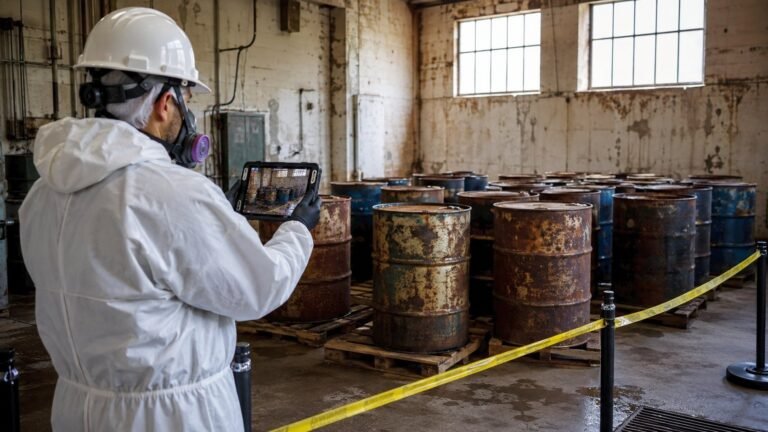
Use compatible containment, required markings, inspections, dates, manifests or records where applicable, spill control, and approved commercial storage or disposal facilities. Avoid mixing that changes volume or complexity.
Worked example: old transformer leak
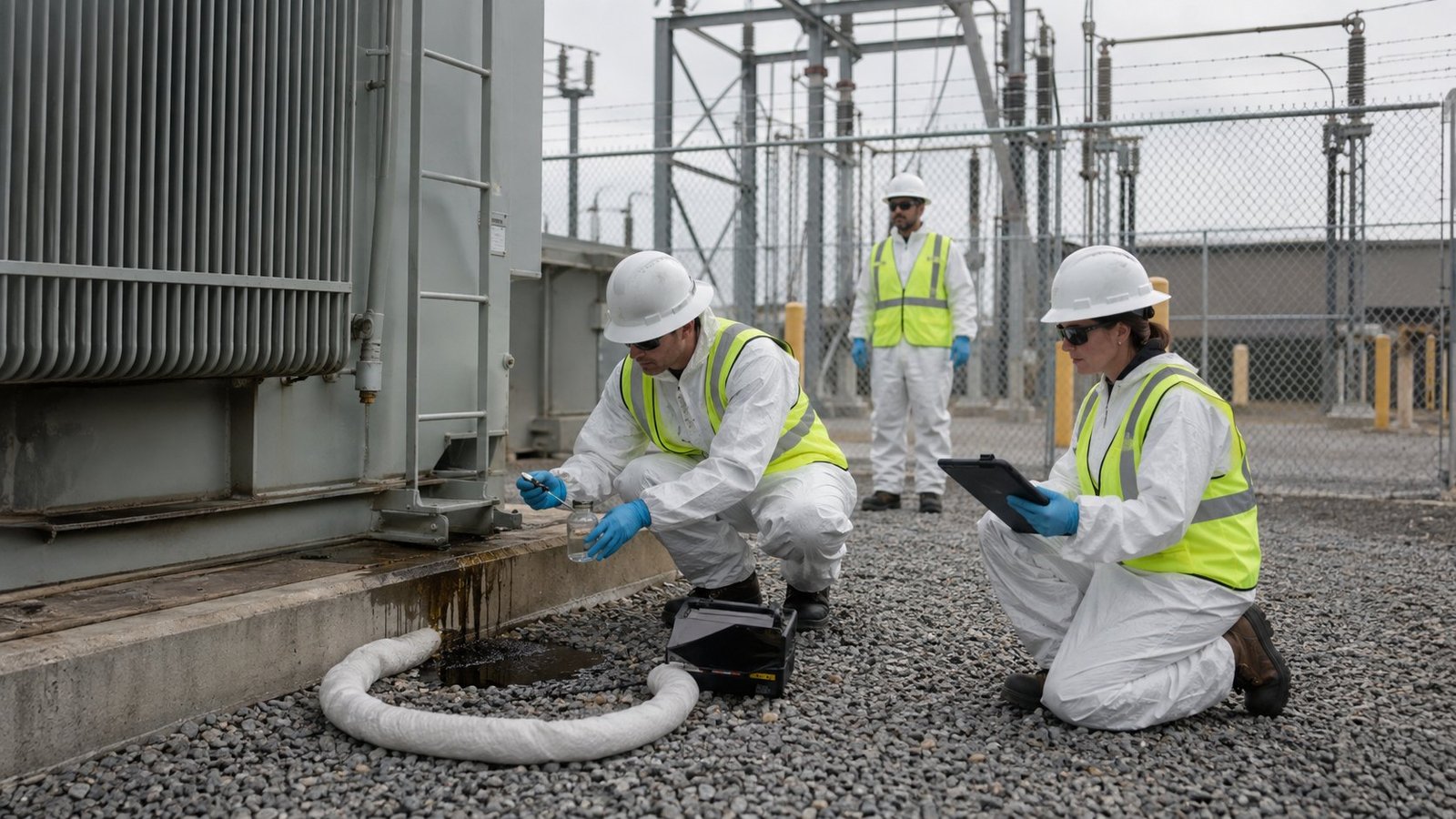
A facility secures the area, identifies equipment and PCB concentration records, prevents migration, evaluates spill-cleanup requirements, characterizes affected surfaces and debris, and selects an authorized disposal route.
Document completion
Retain inventories, analytical data, photographs, cleanup levels, notifications or approvals, shipping records, certificates, annual records, and closure evidence as applicable.
Put the requirement into daily work
Assign an accountable owner and translate the PCB waste management TSCA decision into a field standard. Identify who performs each step, who reviews exceptions, what training and equipment are required, and where evidence is retained. Test the workflow with a real facility example before broad use.
Connect environmental, operations, maintenance, laboratory, purchasing, shipping, emergency-response, and contractor roles where their decisions affect the outcome. Use clear acceptance criteria so the same facts produce the same decision.
Records and reevaluation triggers
Keep the current regulatory basis, facility analysis, approvals, operating records, and exception history under a stable identifier. A reviewer should be able to reconstruct what was known, who decided, how the control was implemented, and how ongoing performance was verified.
Reevaluate after changes in material, process, equipment, quantity, storage, handling, vendor, destination, permit, law, incident, inspection finding, analytical result, or recurring failure. Document both the trigger and the resulting decision.
Common mistakes
- Assuming every oil-filled device is PCB-free.
- Using a RCRA waste code as the only PCB decision.
- Cleaning before documenting spill extent.
- Sending PCB waste to an unverified facility.
- Ignoring state PCB or spill requirements.
Field checklist
- Identify material type, source, date, and concentration.
- Determine spill or remediation status.
- Select the applicable Part 761 pathway.
- Control storage, markings, and records.
- Verify transporter and disposal authorization.
- Document cleanup and final disposition.
Frequently asked questions
Are PCBs regulated only when they are hazardous waste under RCRA?
Can PCB remediation waste be cleaned to one universal level?
What if concentration records are missing?
Check your state rules
Authorized states may be more stringent, broader in scope, or use different adoption and reporting rules. Verify current requirements and agency interpretations in every applicable jurisdiction.
Primary sources
- 40 CFR Part 761 – PCB regulations
- EPA – PCB Disposal and Storage
- EPA – PCB Site Revitalization Guidance
Federal sources reviewed September 7, 2026. Verify the current text and the rules adopted in your jurisdiction before acting.
This article explains a general federal baseline. It is not a facility-specific determination or legal advice. Verify current federal, state, permit, and local requirements for your facts.