Hazardous Waste Recordkeeping: Build the Evidence Inspectors Ask For
Hazardous Waste Recordkeeping: Build the Evidence Inspectors Ask For
Organize determinations, inspections, training, manifests, LDR documents, and exception follow-up into a retrievable compliance record.

A useful record system does more than store PDFs. Map each applicable requirement to the record, owner, location, retention period, review step, and trigger. Keep records legible, linked to the correct waste and shipment, and retrievable throughout the required period—including any extension caused by unresolved enforcement.
Create a requirement-to-record matrix
Inventory federal, state, permit, DOT, contract, and company requirements. For each, identify the record, site, responsible role, minimum retention, event that starts the clock, and approved repository.
Preserve the decision trail
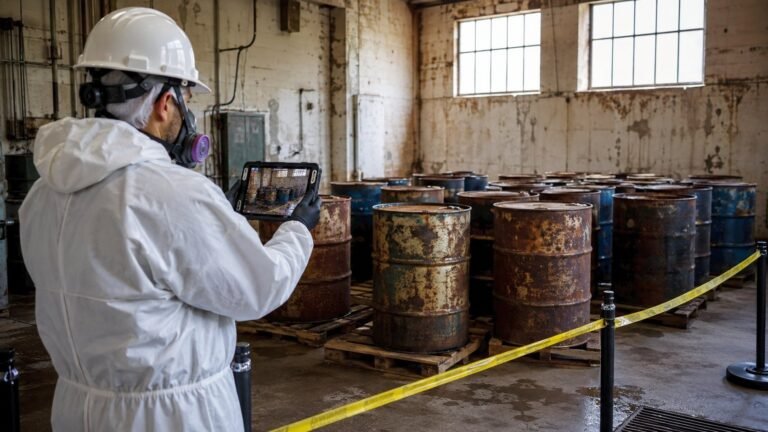
Waste determinations should include the conclusion and evidence. Inspection logs should show the area, date, observations, defects, and corrective action. Training records should connect people, roles, content, and dates.
Link shipment records
Connect profiles, manifests, electronic acknowledgments, LDR notices, certificates, weight tickets, discrepancies, exception reports, and final disposition. Use a common shipment or waste-stream identifier.
Worked example: missing return manifest
A monthly reconciliation identifies a shipment without confirmation. The owner checks the e-Manifest record, contacts the transporter and facility, documents follow-up, evaluates the applicable exception-report deadline, and closes the issue with evidence.
Test retrieval and integrity
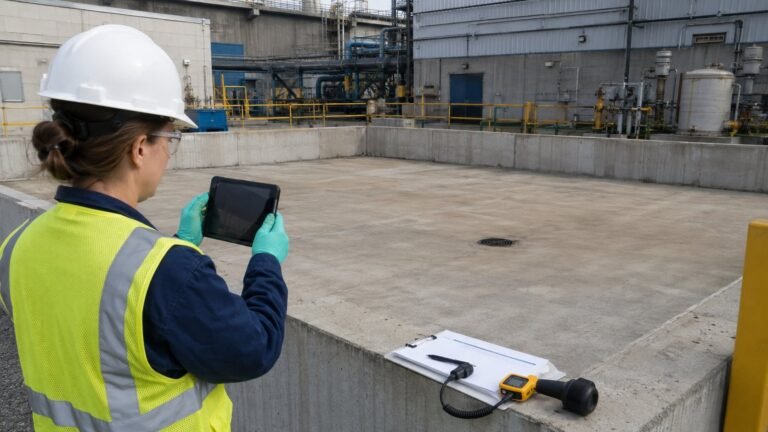
Run periodic retrieval drills by waste stream, employee, area, and shipment. Control permissions, backups, file naming, revisions, and migrations so electronic systems do not break the chain of evidence.
Put the requirement into daily work
Assign an accountable program owner and translate the hazardous waste recordkeeping decision into a written field standard. Identify who performs each step, who reviews exceptions, what tools and training they need, and where the resulting record is stored. Use clear acceptance criteria so operators, environmental staff, purchasing, shipping, and contractors reach the same conclusion.
Test the workflow with a real waste stream before broad rollout. Observe the work where it occurs, compare the record with field conditions, and correct gaps in equipment, layout, instructions, or responsibility. A technically correct procedure is not an effective control until people can follow it consistently.
Records and reevaluation triggers
Keep the source information, current regulatory basis, facility decision, approvals, and operating evidence together under a stable identifier. Records should allow a reviewer to reconstruct what was known, what decision was made, who made it, and how the facility confirmed ongoing performance.
Reevaluate the hazardous waste recordkeeping conclusion after changes in raw materials, process chemistry, equipment, waste composition, generation rate, storage, packaging, transporter, receiving facility, treatment method, permit conditions, or law. Also trigger review after a spill, rejected shipment, analytical anomaly, inspection finding, or recurring procedural failure.
Common mistakes
- Applying one retention period to every record.
- Keeping results without the supporting rationale.
- Scanning forms that are unreadable or incomplete.
- Separating corrective actions from inspection findings.
- Assuming a vendor portal is the facility’s permanent archive.
Field checklist
- List applicable records and citations.
- Assign owner, location, and retention rule.
- Use stable waste and shipment identifiers.
- Link findings to corrective action closure.
- Reconcile manifests and e-Manifest status.
- Back up and control electronic records.
- Perform periodic retrieval tests.
Frequently asked questions
How long must generator records be kept?
Can records be electronic?
Should vendor portals be trusted as the only copy?
Check your state rules
Authorized states may be more stringent, add state-only wastes or requirements, or decline to adopt less stringent federal provisions. Verify current rules and agency interpretations in every applicable jurisdiction.
Primary sources
Federal sources reviewed September 6, 2026. Verify the current text and the rules adopted in your jurisdiction before acting.
This article explains a general federal baseline. It is not a facility-specific determination or legal advice. Verify current federal, state, permit, and local requirements for your facts.