Representative Waste Sampling and Chain of Custody
Representative Waste Sampling and Chain of Custody
Design sampling around waste variability, decision limits, worker safety, and evidence integrity.
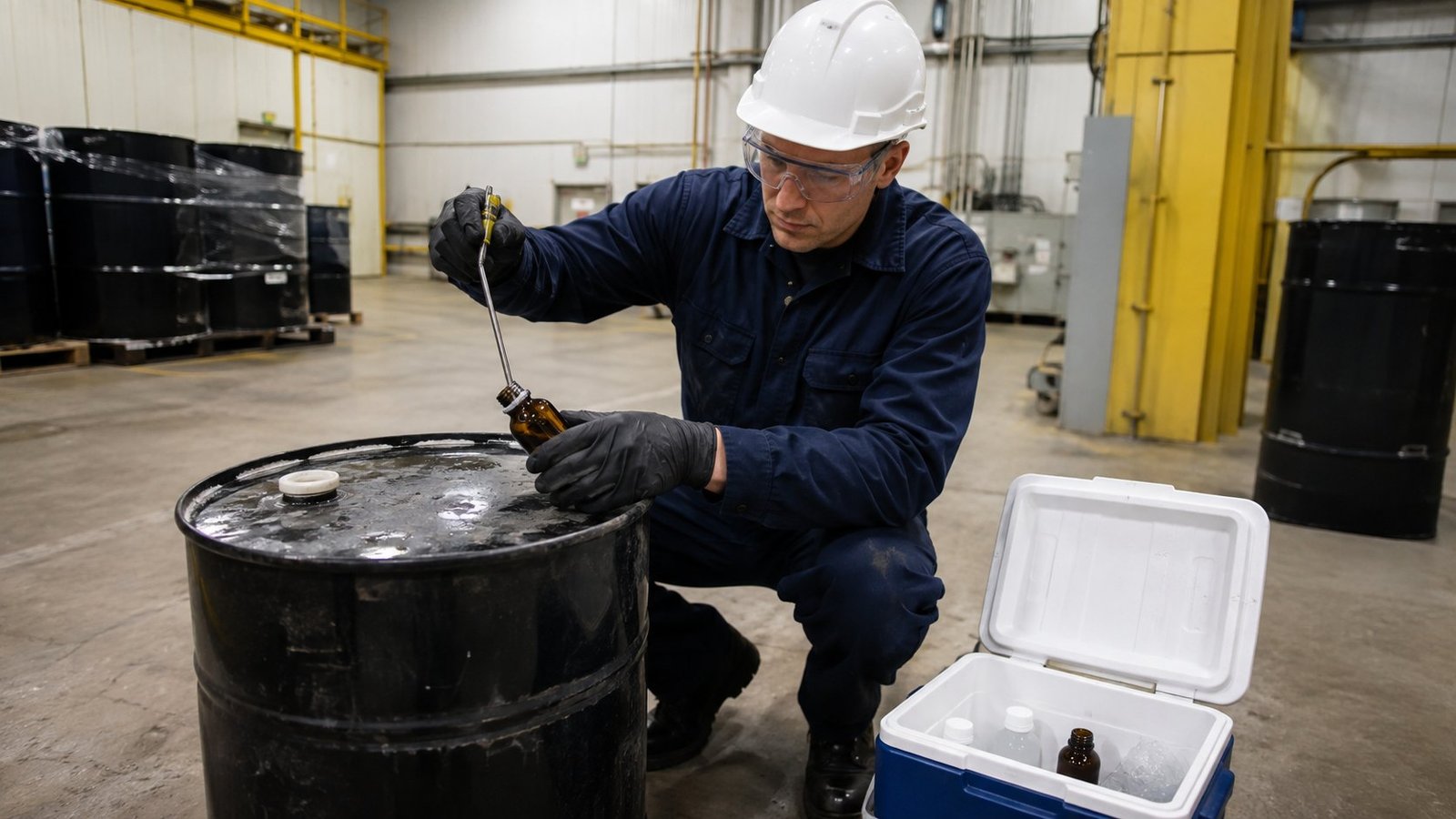
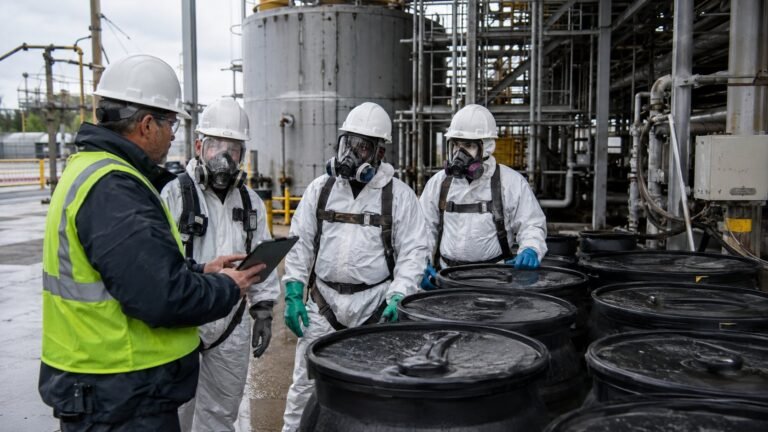
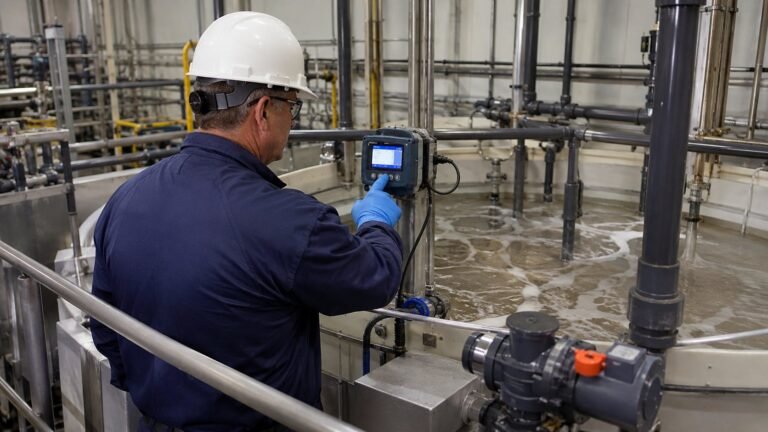
Representative sampling begins with a defined decision and a model of how the waste varies. Specify the population, locations, timing, increments, compositing, containers, preservation, methods, quality controls, safety precautions, and chain-of-custody steps before collecting a sample.
State the decision objective
Identify the waste population, regulatory or facility decision, analytes, action levels, confidence needs, and consequences of error. Sampling design should follow the decision, not the convenience of the nearest access point.
Map heterogeneity and time
Consider layers, settled solids, batch variation, start-up and shutdown, cleaning cycles, feedstock changes, and intermittent additions. Define when a grab, composite, stratified, or systematic design is appropriate.
Protect sample and data integrity
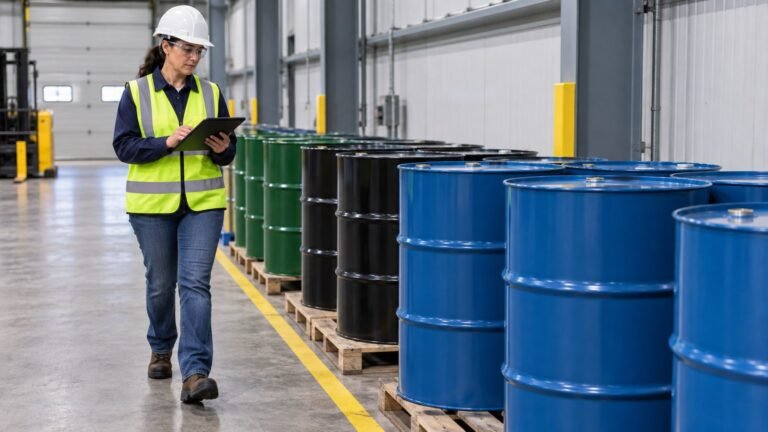
Use compatible containers, correct preservation, documented equipment cleaning, field quality controls, unique identifiers, custody seals where appropriate, and complete chain-of-custody records. Record deviations immediately.
Worked example: roll-off solids
A roll-off contains solids from several cleanouts. The team divides the load spatially, collects increments under a written safety plan, forms justified composites, and preserves duplicates. It documents why a single surface scoop would not represent the load.
Review results against the plan
Check laboratory receipt condition, hold times, blank and duplicate performance, reporting limits, qualifiers, and consistency with process knowledge. Resolve anomalies before assigning codes or approving shipment.
Put the requirement into daily work
Assign an accountable program owner and translate the hazardous waste sampling plan decision into a written field standard. Identify who performs each step, who reviews exceptions, what tools and training they need, and where the resulting record is stored. Use clear acceptance criteria so operators, environmental staff, purchasing, shipping, and contractors reach the same conclusion.
Test the workflow with a real waste stream before broad rollout. Observe the work where it occurs, compare the record with field conditions, and correct gaps in equipment, layout, instructions, or responsibility. A technically correct procedure is not an effective control until people can follow it consistently.
Records and reevaluation triggers
Keep the source information, current regulatory basis, facility decision, approvals, and operating evidence together under a stable identifier. Records should allow a reviewer to reconstruct what was known, what decision was made, who made it, and how the facility confirmed ongoing performance.
Reevaluate the hazardous waste sampling plan conclusion after changes in raw materials, process chemistry, equipment, waste composition, generation rate, storage, packaging, transporter, receiving facility, treatment method, permit conditions, or law. Also trigger review after a spill, rejected shipment, analytical anomaly, inspection finding, or recurring procedural failure.
Common mistakes
- Sampling the easiest location.
- Collecting one grab from a heterogeneous container.
- Ignoring changing process conditions.
- Using incompatible sampling equipment or containers.
- Accepting qualified data without assessing usability.
Field checklist
- Define the decision and waste population.
- Describe spatial and temporal variability.
- Select sample count and locations.
- Address worker safety and access.
- Specify containers, preservation, and methods.
- Document custody and field observations.
- Perform a data-quality and representativeness review.
Frequently asked questions
Does SW-846 prescribe one sampling plan for every waste?
Is chain of custody a substitute for representativeness?
Can samples be composited?
Check your state rules
Authorized states may be more stringent, add state-only wastes or requirements, or decline to adopt less stringent federal provisions. Verify current rules and agency interpretations in every applicable jurisdiction.
Primary sources
- EPA SW-846 Chapter Nine — Sampling Plan
- 40 CFR 260.10 — Representative sample definition
- 40 CFR 262.11 — Waste determinations
Federal sources reviewed September 6, 2026. Verify the current text and the rules adopted in your jurisdiction before acting.
This article explains a general federal baseline. It is not a facility-specific determination or legal advice. Verify current federal, state, permit, and local requirements for your facts.