Hazardous Waste Determination: A Step-by-Step Guide for Generators
Hazardous Waste Determination: A Step-by-Step Guide for Generators
A documented decision process for identifying the waste, applying exclusions, evaluating listings and characteristics, and knowing when to revisit the result.
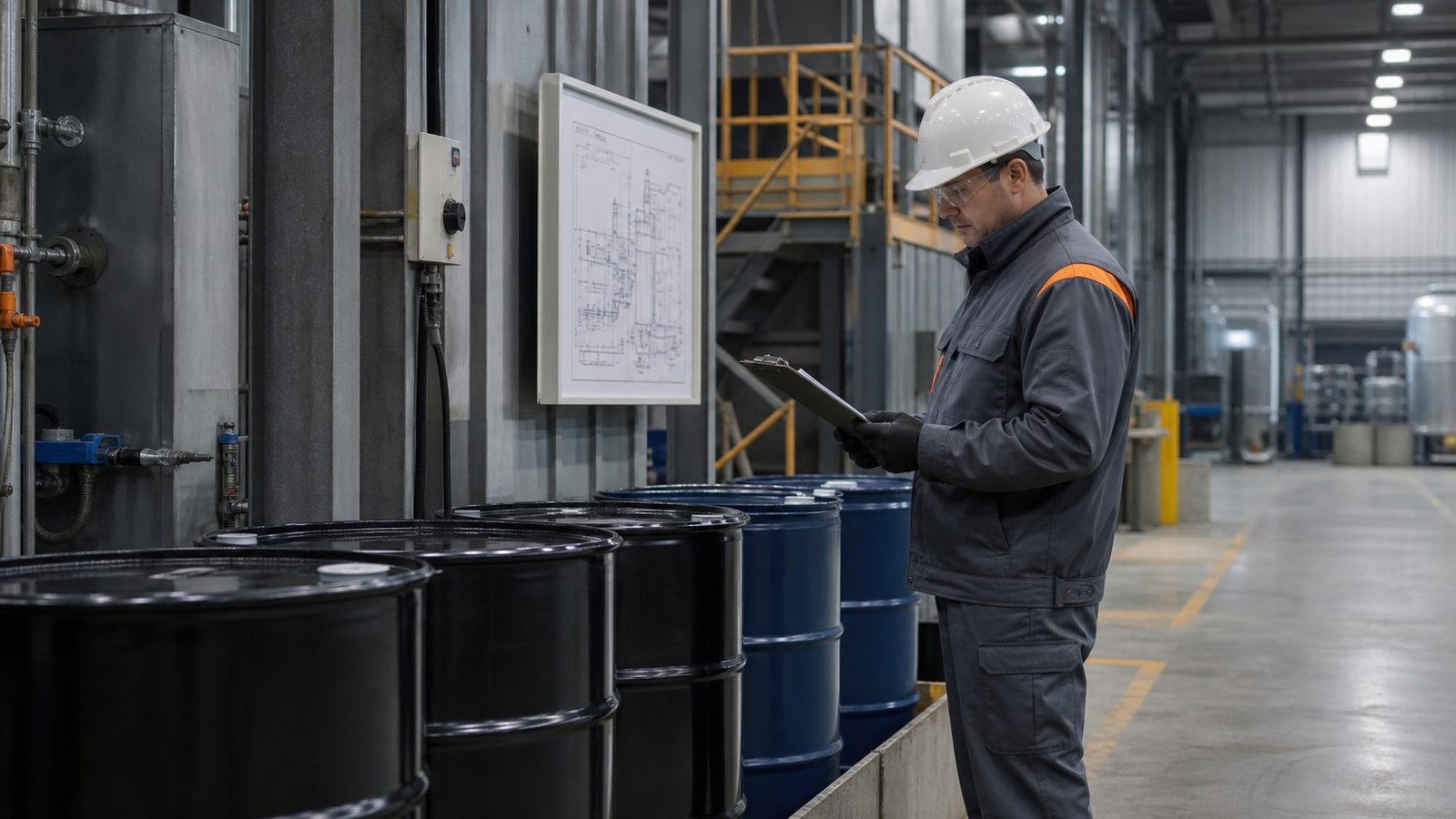
A defensible hazardous waste determination starts at the point of generation. Identify the material and process, decide whether it is a solid waste, check exclusions, evaluate hazardous waste listings and characteristics, assign applicable waste codes, and retain the evidence. Reevaluate when the process, inputs, material, or management method changes.
Why the sequence matters
Waste determination is the first controlled decision in a generator’s compliance system. A wrong answer can carry into container labels, monthly counting, accumulation areas, manifests, land disposal restriction paperwork, vendor profiles, and reports.
Under the federal baseline in 40 CFR 262.11, a person who generates a solid waste must make an accurate determination for each waste. The determination must be made at the point of generation, before dilution, mixing, or another alteration may change the waste’s character. The rule also calls for a new determination when changes in raw materials or processes may change the waste.
A code is the output of the analysis. It is not a substitute for identifying the process and applying the regulatory questions in order.
The six-step determination process
- Define the waste stream and point of generation. Record what the material is, where and why it leaves the process, its physical form, source, ingredients, contaminants, and expected variability. Separate streams whose sources or chemistry differ.
- Decide whether the material is a solid waste. “Solid waste” is a regulatory term and can include liquids, sludges, and contained gases. Evaluate whether the material is discarded under 40 CFR 261.2 and whether a recycling claim actually fits the rule.
- Check exclusions and conditional pathways. Review 40 CFR 261.4 and any provision relied upon for recycling, reuse, empty containers, wastewater, or another alternative. Document every condition; an exclusion is only as strong as the evidence that its conditions are met.
- Evaluate hazardous waste listings. Apply the source and process descriptions in Subpart D of Part 261. Product knowledge, purchasing records, formulations, process diagrams, and operating history often matter. A laboratory result generally cannot prove that a process-based listing does not apply.
- Evaluate hazardous characteristics. Consider ignitability, corrosivity, reactivity, and toxicity under Subpart C. The generator may use knowledge of the waste and process, analytical testing, or a defensible combination. Testing must use representative samples and appropriate methods.
- Record the conclusion and applicable codes. State whether the stream is hazardous, which federal and state codes apply, what facts support the result, who approved it, and when it must be reviewed again.
Knowledge of process, testing, or both?
Generator knowledge can include product formulations, safety data sheets, supplier information, process chemistry, mass balance, prior representative data, and documented operating conditions. An SDS is useful evidence, but it describes a product for workplace communication and may omit constituents, ranges, contaminants, or changes caused by use.
Testing can answer questions that knowledge cannot resolve, but the result is only as reliable as the sampling plan. Define the decision the data must support, identify spatial and temporal variability, select a representative sampling approach, use an appropriate laboratory and method, and preserve chain-of-custody and quality-control records.
Do not use a single favorable result to erase credible process knowledge. Conversely, do not order a broad analytical package before identifying which regulatory questions need answers. The strongest determinations combine the facts already known with targeted data that closes a real uncertainty.
Worked example: spent parts-cleaning solvent
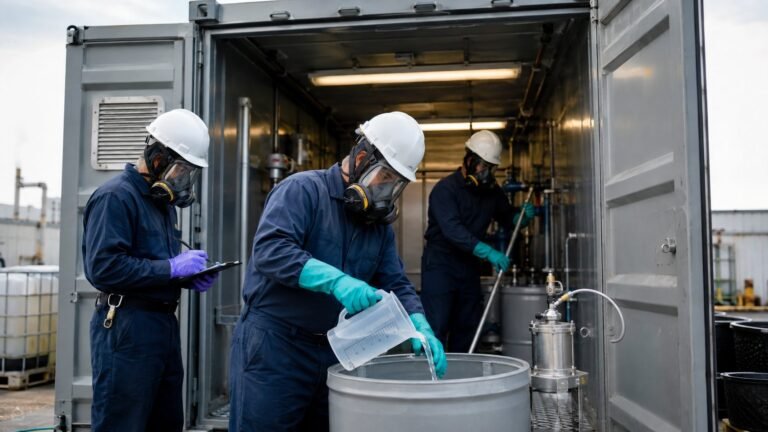
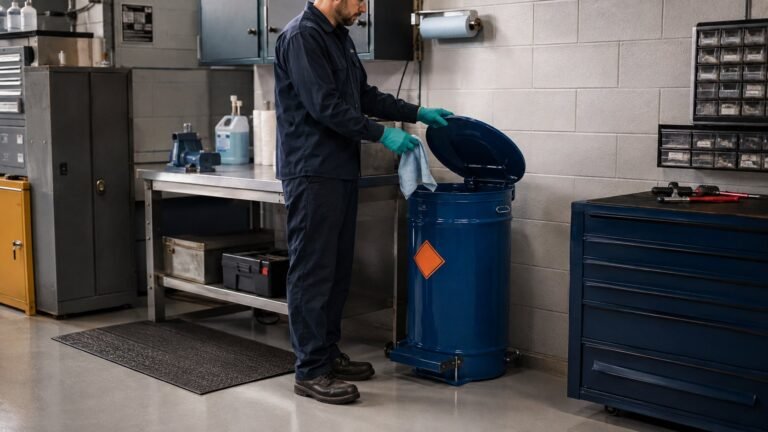
Simplified example. A maintenance shop replaces a solvent when it no longer cleans effectively. The spent liquid contains the original solvent, oils removed from parts, and fine metal residue.
The facility documents the product and cleaning process, then identifies the point of generation as the moment the used solvent is removed from service. It evaluates whether the material is a solid waste despite a planned recycling destination. It reviews the spent-solvent listings against the solvents used and their function, then evaluates ignitability and any other plausible characteristics. If composition varies or knowledge cannot resolve a characteristic, the facility develops a representative sampling and analysis plan.
The written determination identifies the facts, applicable codes, supporting documents, accumulation and shipment consequences, and triggers for review. Those triggers include a new solvent, a change in cleaned parts, addition of another shop liquid, a new recycling method, or results outside the established range.
This example does not determine another facility’s solvent. The exact result depends on the material, use, contaminants, recycling arrangement, jurisdiction, and current rules.
Build a record that another person can follow
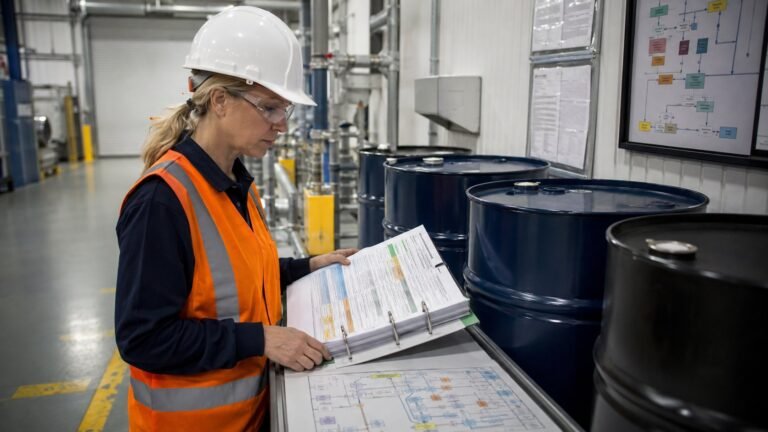
A useful determination file identifies the waste stream, process owner, generation point, normal and abnormal inputs, quantities, physical form, regulatory analysis, sampling basis, analytical results, waste codes, management route, reviewer, and review date. Attach the evidence instead of referring vaguely to “process knowledge.”
Federal recordkeeping requirements vary by generator category and circumstance. SQGs and LQGs must retain hazardous waste determination records for at least three years from the date the waste was last sent to onsite or offsite treatment, storage, or disposal, with longer retention during unresolved enforcement or when requested. Longer operational retention can be useful when the stream continues for years.
Use management of change. A new raw material, supplier, concentration, process step, production rate, cleaning method, maintenance activity, spill, treatment step, or destination can undermine the original facts. The review should ask whether the change affects solid-waste status, exclusions, listings, characteristics, codes, counting, DOT classification, or acceptance criteria.
Common determination mistakes
- Starting with the disposal profile or vendor’s suggested code instead of the generating process.
- Treating “recycled,” “empty,” “nonhazardous,” or “product” as self-proving labels.
- Using an SDS as the complete determination.
- Testing only for characteristics while overlooking a process-based listing.
- Sampling a convenient location that does not represent the waste stream.
- Combining distinct wastes before determining each one at its point of generation.
- Keeping a conclusion without the records that support it.
- Failing to reevaluate after process or input changes.
Field checklist
- Name the waste stream and mark its precise point of generation.
- Map every normal and credible abnormal input to the stream.
- Document whether the material is a solid waste under 40 CFR 261.2.
- Verify every condition for any exclusion or alternative pathway.
- Evaluate all plausible listings before relying on characteristic testing.
- Evaluate ignitability, corrosivity, reactivity, and toxicity as applicable.
- Document why knowledge, testing, or their combination is sufficient.
- Assign all applicable federal and state waste codes.
- Connect the result to counting, onsite management, shipment, and LDR duties.
- Set review triggers and preserve the supporting record.
Frequently asked questions
Can a waste vendor make the determination for the generator?
Does a nonhazardous laboratory result prove the waste is not hazardous?
When should a determination be updated?
Check your state rules
Authorized states may regulate additional wastes, use different codes, or impose more stringent determination and recordkeeping requirements. Confirm the state program that applies where the waste is generated.
Primary sources
- 40 CFR 262.11 — Hazardous waste determination and recordkeeping
- 40 CFR 261.2 — Definition of solid waste
- 40 CFR 261.4 — Exclusions
- 40 CFR Part 261, Subpart C — Characteristics
- 40 CFR Part 261, Subpart D — Lists
Federal sources reviewed September 6, 2026. Verify the current text and the rules adopted in your jurisdiction before acting.
This article explains a general federal baseline. It is not a facility-specific determination or legal advice. Verify current federal, state, permit, and local requirements for your facts.