What Is a Solid Waste Under RCRA? A Practical Starting Point
What Is a Solid Waste Under RCRA? A Practical Starting Point
Start every waste determination with discard, recycling, and exclusion questions instead of assuming that only dry material can be a solid waste.
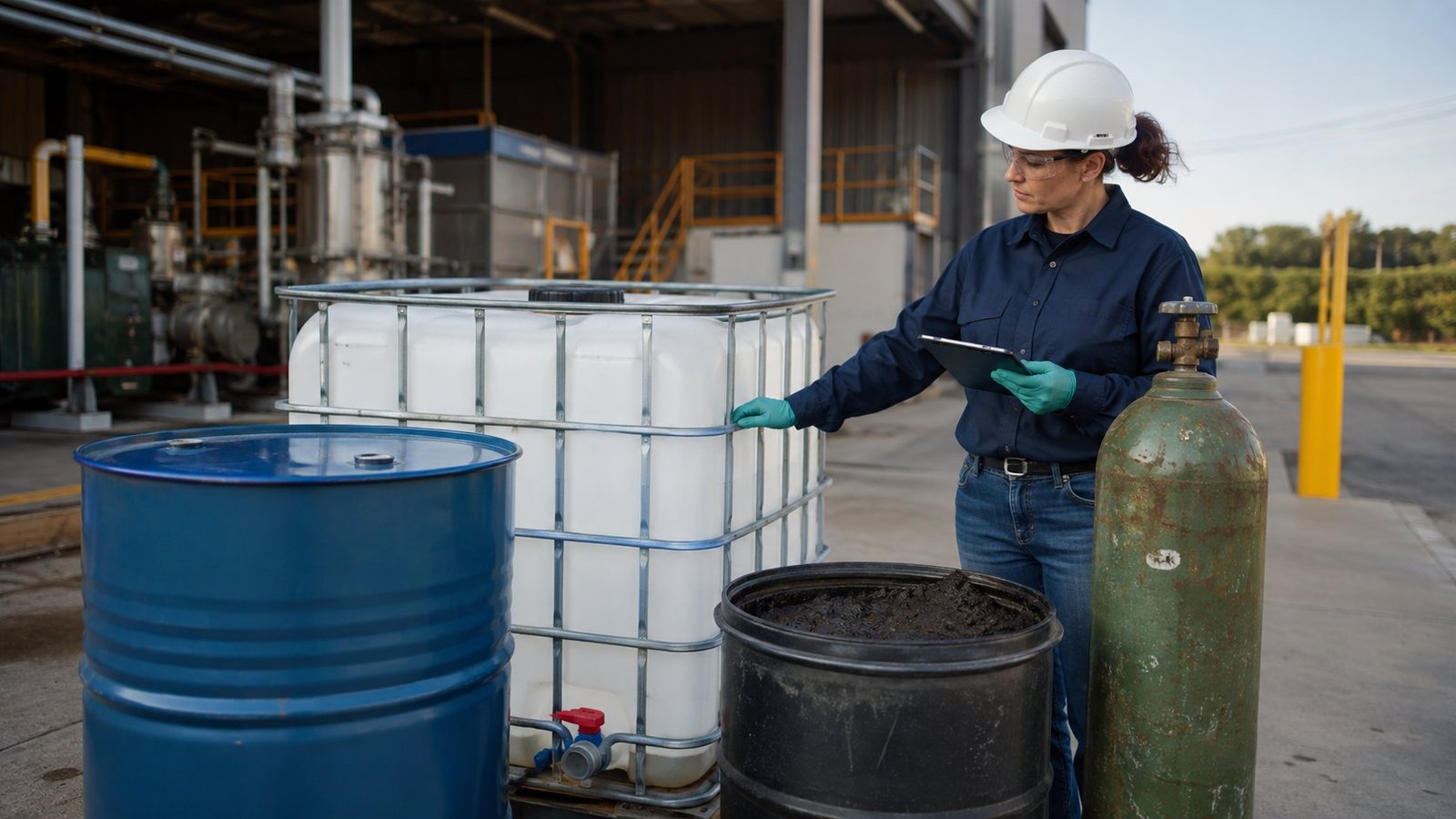
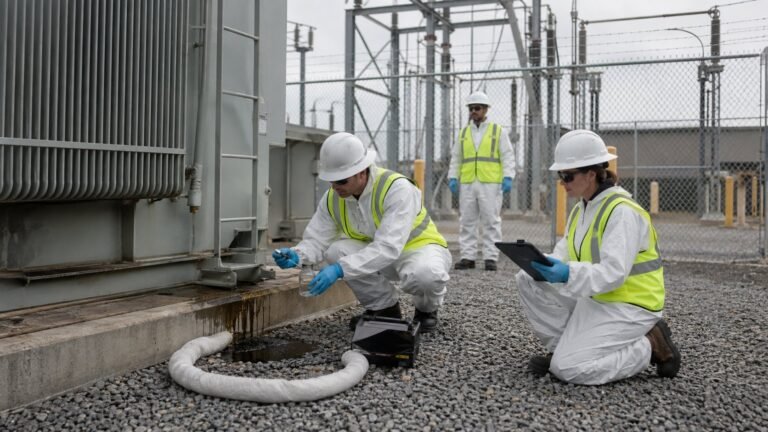
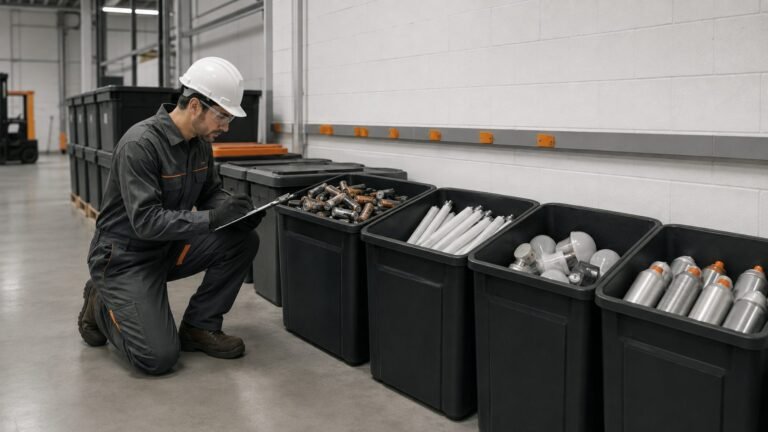
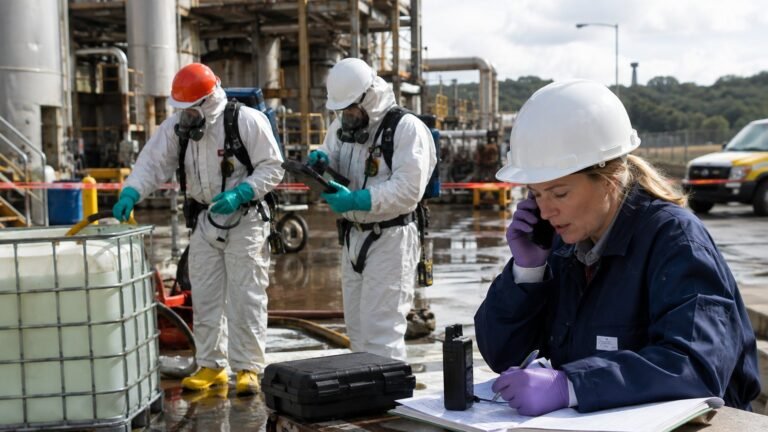
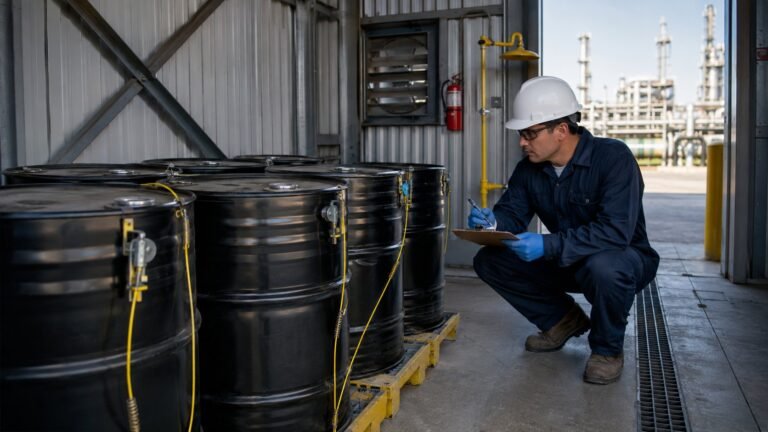
Under RCRA, “solid waste” is a regulatory category, not a description of physical form. Discarded liquids, sludges, solids, and contained gases may qualify. Identify the material, the point of generation, what happens to it, and whether a specific exclusion applies before deciding whether it is hazardous waste.
Start with the material and the act of discard
Document what the material is, where and when it becomes a waste, why it is discarded, and its intended destination. The same chemical may be a product in one process and a waste in another. Physical state alone does not answer the question.
Recycling can change the analysis
Some recycled secondary materials remain solid wastes, some are excluded when detailed conditions are met, and sham recycling remains regulated. Map the actual movement and use of the material rather than relying on a recycling label.
Apply exclusions precisely
Record the citation, facts, conditions, and continuing controls for every claimed exclusion. An exclusion that depends on a destination, storage practice, reclamation activity, or record is only useful while those facts remain true.
Worked example: off-spec liquid
A plant rejects an off-spec liquid blend. The team records the rejection point, composition, planned reclamation, storage method, and receiving process. It then tests the exact regulatory pathway and state adoption before deciding whether the liquid is an excluded secondary material or a solid waste requiring hazardous waste evaluation.
Build a defensible file
Keep process knowledge, diagrams, specifications, contracts, shipping records, photographs, analytical data, and the signed conclusion together. Reevaluate when the process, feedstock, disposition, recycler, or applicable rule changes.
Put the requirement into daily work
Assign an accountable program owner and translate the RCRA solid waste definition decision into a written field standard. Identify who performs each step, who reviews exceptions, what tools and training they need, and where the resulting record is stored. Use clear acceptance criteria so operators, environmental staff, purchasing, shipping, and contractors reach the same conclusion.
Test the workflow with a real waste stream before broad rollout. Observe the work where it occurs, compare the record with field conditions, and correct gaps in equipment, layout, instructions, or responsibility. A technically correct procedure is not an effective control until people can follow it consistently.
Records and reevaluation triggers
Keep the source information, current regulatory basis, facility decision, approvals, and operating evidence together under a stable identifier. Records should allow a reviewer to reconstruct what was known, what decision was made, who made it, and how the facility confirmed ongoing performance.
Reevaluate the RCRA solid waste definition conclusion after changes in raw materials, process chemistry, equipment, waste composition, generation rate, storage, packaging, transporter, receiving facility, treatment method, permit conditions, or law. Also trigger review after a spill, rejected shipment, analytical anomaly, inspection finding, or recurring procedural failure.
Common mistakes
- Treating the word solid as a physical-state test.
- Starting with hazardous waste codes before deciding whether the material is a solid waste.
- Calling a shipment recycling without documenting the regulatory pathway.
- Citing an exclusion without proving each condition.
- Failing to check state adoption or more stringent rules.
Field checklist
- Name the material and point of generation.
- Document why and when it is discarded.
- Describe storage, movement, and final disposition.
- Evaluate recycling status and legitimacy where relevant.
- Test each exclusion condition against actual facts.
- Then complete the hazardous waste determination.
- Set change triggers and retain supporting records.
Frequently asked questions
Can a liquid be a RCRA solid waste?
Does sending material for recycling automatically exclude it?
When should the decision be revisited?
Check your state rules
Authorized states may be more stringent, add state-only wastes or requirements, or decline to adopt less stringent federal provisions. Verify current rules and agency interpretations in every applicable jurisdiction.
Primary sources
- EPA — Criteria for the Definition of Solid Waste and Exclusions
- 40 CFR 261.2 — Definition of solid waste
- 40 CFR 261.4 — Exclusions
Federal sources reviewed September 6, 2026. Verify the current text and the rules adopted in your jurisdiction before acting.
This article explains a general federal baseline. It is not a facility-specific determination or legal advice. Verify current federal, state, permit, and local requirements for your facts.